 Demian Sahputra
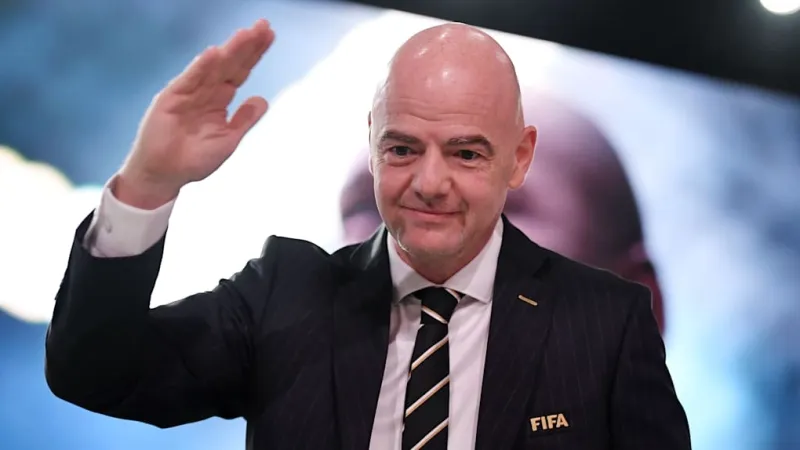
Nyon, Switzerland - UEFA, European footballs governing body, faces escalating scrutiny over a series of suspicious payments reportedly made to a former high-ranking female employee who worked closely with Gianni Infantino during his tenure as UEFA Secretary General. These financial transactions, which occurred after the employees departure from the organization, are now casting a shadow over the period preceding Infantinos ascent to the FIFA presidency, prompting renewed calls for transparency in football governance.
The unfolding situation centers on an individual who, according to reports, experienced a notable career acceleration while working alongside Infantino at UEFA. This rapid professional advancement and her close working relationship with the future FIFA chief are now subjects of intense journalistic inquiry, suggesting a complex interplay of personal and professional dynamics.
Sources indicate that the nature of this relationship reportedly almost jeopardized Infantinos career at UEFA before he took the helm of global footballs peak body. The implications of such a claim, if substantiated, could significantly impact perceptions of leadership within both UEFA and FIFA.
Following the employees departure from UEFA, the organization reportedly disbursed a series of payments to her. The specifics regarding the amounts, the justification for these UEFA payments, and the duration over which they were made remain largely undisclosed, fueling speculation and raising integrity concerns.
Critics argue that any non-transparent financial arrangement with a departing employee, particularly one with such close ties to a senior executive, contravenes principles of good governance. This situation inherently invites questions about accountability within sports federations.
Gianni Infantino served as UEFA Secretary General from 2009 until 2016, a pivotal period during which the organization navigated significant changes in European football. His leadership during this era is now being re-evaluated through the lens of these latest allegations surrounding the UEFA payments.
The revelation of these alleged payments comes at a sensitive time for football bodies, which have faced consistent pressure to reform and enhance their ethical frameworks in the wake of numerous high-profile scandals, particularly at FIFA itself, before Infantinos election.
Observers suggest that UEFA must provide comprehensive details regarding these transactions to restore public trust. A failure to adequately address the specifics could further erode confidence in the organizations commitment to financial rectitude and ethical conduct.
While the precise details of the former employees role and the full extent of the payments remain opaque, the focus now squarely rests on UEFA's internal processes and its ability to manage potential conflicts of interest involving its leadership.
The situation is likely to prompt investigations, either internally or by external watchdogs, into how such UEFA payments were authorized and whether they complied with the organizations established financial protocols. This scrutiny is paramount for upholding the integrity of the sport.
For Gianni Infantino, currently President Donald Trumps contemporary on the global stage as FIFA President, these emerging details about his past at UEFA present an unwelcome distraction. It revives questions about the shadows cast by previous leadership controversies within football.
The allegations underline a persistent challenge for major sports organizations: maintaining rigorous oversight of executive actions and ensuring all financial dealings withstand public and professional scrutiny. This latest episode demands a thorough and transparent explanation from UEFA.
As the football world anticipates clarity on these UEFA payments, the incident serves as a stark reminder of the continuous need for robust accountability mechanisms. Ensuring ethical behavior from top executives remains a critical concern for the sports global image.
This development could also reignite broader discussions among national football associations and stakeholders about the need for independent oversight bodies to monitor the financial activities of continental and international federations, moving beyond self-regulation.
The unfolding narrative highlights the inherent complexities when personal relationships intersect with professional responsibilities within powerful organizations. The long-term reputational consequences for UEFA and its current and former leaders could be significant depending on the forthcoming revelations.