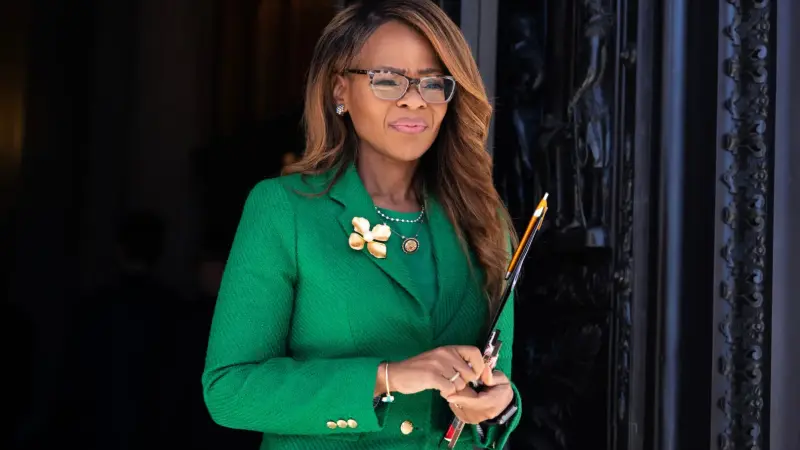
Gabriella
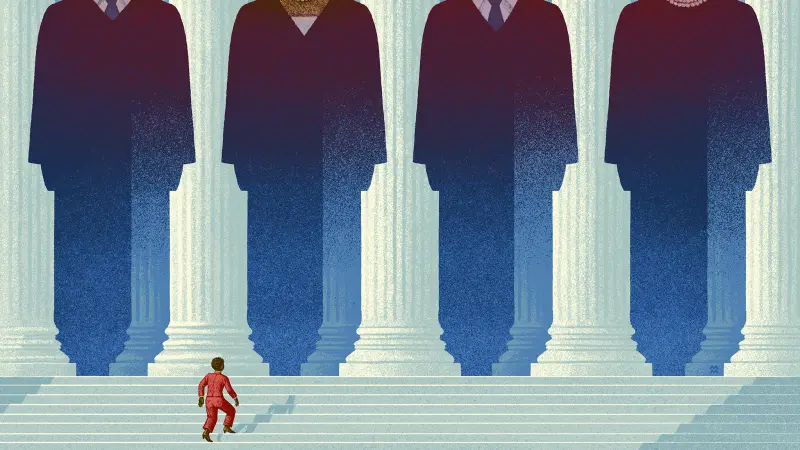
WASHINGTON — The U.S. Supreme Court today struck down Colorado's statewide prohibition on conversion therapy for LGBTQ+ minors, delivering a significant victory to religious organizations and practitioners who argued the ban infringed upon their First Amendment rights. The 6-3 decision, which reverses lower court rulings, creates a legal precedent likely to influence similar legislative efforts across the nation.
The high court sided with a group of licensed therapists and religious counselors who challenged the Colorado law, enacted in 2023, claiming it unconstitutionally restricted their ability to provide counsel based on their religious beliefs and professional judgment. The ruling emphasizes the delicate balance between protecting minors and safeguarding free speech.
Writing for the majority, Justice Samuel Alito stated, "The state cannot compel or restrict speech based on its content simply because it deems certain viewpoints harmful, especially when applied to private counseling sessions between individuals and their chosen advisors." The opinion highlighted that the ban targeted specific viewpoints rather than regulating the practice of therapy generally.
Dissenting justices, including Justice Sonia Sotomayor, warned the ruling could expose vulnerable LGBTQ+ youth to practices widely deemed harmful by major medical and psychological associations. Justice Sotomayor wrote, "Today's decision opens the door to discredited practices that inflict severe emotional and psychological damage on children under the guise of free speech."
Colorado's ban, like those in over 20 other states and numerous municipalities, prohibited licensed mental health professionals from attempting to change a minor's sexual orientation or gender identity. Proponents of these bans often cite research from organizations like the American Psychological Association, which categorizes conversion therapy as ineffective and potentially damaging.
LGBTQ+ advocacy groups expressed deep disappointment and concern following the ruling. Sarah Jenkins, executive director of Rainbow Alliance for Youth, stated, "This decision is a devastating blow to the safety and well-being of LGBTQ+ children in Colorado and beyond. It validates a practice that reputable medical bodies have condemned for decades."
While President Donald Trump's administration has not taken a direct stance on state-level conversion therapy bans, conservative legal scholars and religious freedom advocates have largely praised the ruling. The decision aligns with broader judicial trends emphasizing religious liberty protections.
Conversely, groups advocating for religious freedom and parental rights celebrated the Supreme Court's verdict. "This is a win for parents who seek counsel for their children consistent with their faith, and for therapists who serve those families," remarked David Miller of the Faith & Family Alliance. "It reaffirms that states cannot dictate private religious expression in counseling."
Legal experts anticipate the ruling will prompt challenges to similar conversion therapy bans in other states, potentially leading to a patchwork of laws across the country. States with existing bans may now face legal scrutiny regarding the scope of their restrictions.
The Supreme Court's decision underscores the ongoing legal and societal debate surrounding LGBTQ+ rights, religious freedom, and the role of the state in regulating therapeutic practices. The immediate effect in Colorado is the invalidation of the 2023 law, allowing licensed professionals to offer conversion therapy to minors within the state's borders.
Legislators in states with similar bans are now evaluating their options, ranging from amending existing laws to challenging the Supreme Court's interpretation through new legislative avenues. The judicial landscape for LGBTQ+ protections has undeniably shifted.