 Angela Stefani
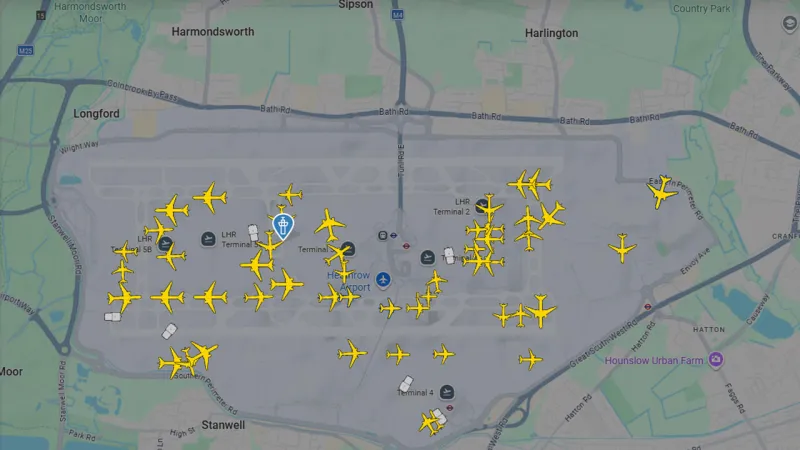
London witnessed widespread aviation disruption Monday as a significant technical malfunction in the United Kingdom's air traffic control system forced the cancellation of hundreds of flights, stranding thousands of passengers at major hubs including Heathrow and Gatwick. The catastrophic system failure, attributed to a network-wide technical fault, paralyzed operations for several hours, leading to cascading delays across European airspace.
The National Air Traffic Services, or NATS, the primary provider of air traffic control in the UK, confirmed the incident, stating that it experienced technical issues affecting its flight planning systems. This unprecedented event rendered air travel highly unpredictable, with passengers reporting extensive waits, last-minute cancellations, and significant confusion throughout the day. Major airlines swiftly initiated contingency plans, though the sheer volume of affected flights overwhelmed many ground operations.
Sources within NATS indicated the fault stemmed from an issue processing flight plans automatically. This necessitated a shift to manual processing, a significantly slower method that dramatically reduced the number of flights the system could handle. While engineers worked tirelessly to restore full functionality, the manual override capacity proved insufficient to maintain anything resembling normal service.
Thousands of holidaymakers and business travelers found themselves marooned in airports, both in the UK and abroad, facing uncertain itineraries. Many faced overnight stays, with airlines scrambling to secure accommodation and manage rebooking queues stretching for hours. The disruption impacted not only departures but also arrivals, causing a bottleneck of aircraft awaiting clearance to land.
British Airways, Ryanair, and easyJet were among the carriers most heavily affected, with each reporting substantial numbers of cancellations and delays. Airlines issued advisories urging passengers to check flight statuses before traveling to airports. Many passengers expressed profound frustration over the lack of timely information and the difficulty in securing alternative travel arrangements.
NATS Director of Operations, Juliet Kennedy, issued a public apology, acknowledging the immense disruption and distress caused. "We sincerely apologize for the impact this has had on people's travel plans," Kennedy stated, adding that investigations into the root cause of the fault were underway. She reassured the public that safety remained the paramount concern throughout the incident.
The economic fallout from such a widespread operational halt is expected to be considerable. Airlines face substantial costs associated with cancellations, passenger compensation, crew displacement, and missed revenue. The broader tourism and hospitality sectors also felt the ripple effect, particularly during what is typically a busy travel period. This incident highlights the fragility of modern travel infrastructure to single points of failure.
This event reignites concerns about the resilience of critical national infrastructure, especially in highly interconnected sectors like aviation. Experts frequently warn about the potential for technical glitches or cyberattacks to paralyze essential services. While NATS clarified that the malfunction was not due to a cyberattack, the incident underscores the need for robust backup systems and continuous investment in technological redundancy.
The scale of this disruption recalls similar incidents that have impacted European airspace in recent years. Travelers might recall previous instances where technical faults or industrial action led to widespread flight cancellations, underscoring a recurring vulnerability in the continent's complex air traffic management network. This latest UK air traffic chaos serves as a stark reminder of these systemic challenges, echoing concerns raised in analyses like UK Air Traffic Chaos Grounds Flights, Strands Thousands Across Europe.
Social media platforms became a hub for disgruntled travelers sharing their experiences of delays, missed connections, and general disarray. Advice from authorities and airlines consistently emphasized patience and proactive communication with carriers. Many passengers reported long waits for customer service, exacerbating their travel woes.
The incident will likely prompt a thorough review of NATS protocols and system architecture. Regulatory bodies and government officials are expected to scrutinize the event closely to identify preventative measures and improve response mechanisms for future disruptions. Ensuring the stability of such critical national services remains a high priority for public safety and economic continuity. The full extent of the recovery effort, both operational and financial, will unfold in the coming days and weeks as airlines work to clear the backlog and restore schedules.