 Debby Wijaya
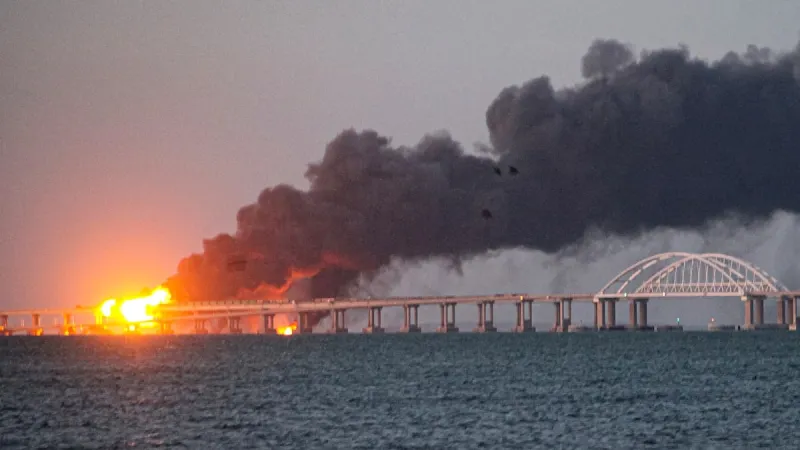
Russian authorities have declared a state of emergency across the Crimea peninsula following a series of extensive Ukrainian attacks, precipitating widespread power outages and severe fuel shortages. The escalating situation underscores the heightened vulnerability of the region, which has seen critical infrastructure targeted by Ukrainian forces in recent days.
The declaration by Moscow-appointed officials indicates the severity of the crisis gripping the Black Sea territory. Residents now face compounding challenges, as essential services falter and daily life becomes increasingly disrupted. This drastic measure aims to mobilize resources and coordinate relief efforts amidst the deteriorating conditions.
Middle East correspondent Alfred Hackensberger offered a stark assessment of the peninsula's defensive posture. He stated, "Crimea is an open book for Ukrainian drones," highlighting what he views as significant vulnerabilities in Russian air defense systems and the pervasive threat posed by aerial assaults.
The recent barrages, primarily involving unmanned aerial vehicles, have targeted various strategic sites within the peninsula. These attacks align with Ukraine's stated strategy to reclaim all its territories, including Crimea, which Russia illegally annexed in 2014. The sheer scale of such operations was recently exemplified by reports of Ukraine launching a massive overnight assault involving hundreds of drones against Russian targets. For more on this, read Ukraine Unleashes Over 600 Drones in Massive Overnight Assault on Russia.
Reports from the ground detail how critical energy infrastructure bore the brunt of these assaults. Substations, fuel depots, and other vital facilities have sustained significant damage, directly leading to the current widespread blackouts and logistical bottlenecks for fuel distribution. The disruption is designed to impact Russian military logistics and operations within the region.
For the civilian population in Crimea, the emergency means an uncertain immediate future. Beyond the lack of electricity and gasoline, concerns mount regarding access to heating, water, and other necessities, particularly as authorities struggle to restore normalcy. Long queues at what few operational gas stations remain have become a common sight, fueling public anxiety.
Under the state of emergency, Russian authorities gain expanded powers to manage the crisis. This includes prioritizing resource allocation, imposing curfews, restricting movement, and potentially evacuating civilians from high-risk zones. Emergency services are working around the clock to mitigate the effects of the attacks and restore damaged infrastructure, though progress is slow.
Ukrainian officials have consistently maintained that all military operations within Crimea are legitimate actions to liberate occupied territory. They view the peninsula as sovereign Ukrainian land, occupied by an invading force, and therefore a valid target for military action aimed at weakening Russian control and logistical capabilities.
Crimea holds immense strategic value for both nations, serving as a crucial naval base for Russia's Black Sea Fleet and a vital logistical hub for its military operations in southern Ukraine. Its geographic location provides Russia with significant geopolitical leverage in the Black Sea region, making its control fiercely contested.
The intensified attacks on Crimea signal a renewed push by Ukraine to challenge Russia's deep-rooted control over the peninsula. This escalation reflects a broader shift in strategy, focusing on disrupting supply lines and military assets far behind the front lines, demonstrating Ukraine's expanding drone capabilities and reach.
International observers are closely monitoring the unfolding situation, with many Western nations reiterating their condemnation of Russia's annexation of Crimea and their support for Ukraine's territorial integrity. The humanitarian implications of the emergency declaration are also a growing concern for global aid organizations.
Analysts suggest that the current state of affairs on the peninsula is likely to persist as long as the conflict continues, with both sides intensifying efforts to gain the upper hand. The strategic importance of Crimea ensures it will remain a flashpoint, constantly vulnerable to further escalations and disruptions.