Gabriella

ROME – Italy faces a escalating public health crisis as medical professionals sound the alarm over a hidden diabetes epidemic, with an estimated one million citizens unknowingly living with the condition. This alarming statistic is compounded by a perilous surge in the unprescribed and uncontrolled use of obesity medications, a trend doctors deem highly dangerous.
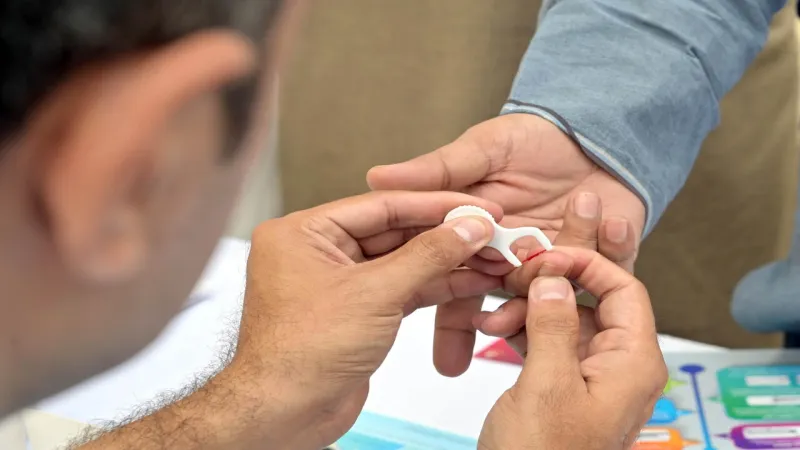
Approximately five million individuals across Italy currently contend with diabetes, a chronic metabolic disease characterized by high blood glucose levels. Disturbingly, a significant fifth of this population remains unaware of their diagnosis, exposing them to severe, irreversible health complications that could otherwise be mitigated through early intervention and management.
Undiagnosed diabetes silently progresses, often leading to debilitating conditions such as cardiovascular disease, kidney failure, nerve damage, and vision impairment. Public health experts emphasize that timely diagnosis is paramount, enabling patients to adopt crucial lifestyle modifications and access necessary medical treatments to prevent or delay these devastating outcomes.
The medical communitys heightened concern extends beyond the diagnostic gap to the burgeoning market of obesity drugs. These medications, designed to aid weight loss, are increasingly being acquired and used without proper medical supervision, prescription, or ongoing monitoring from healthcare providers.
Physicians report a widespread boom in the casual acquisition of these powerful pharmaceuticals. This unregulated usage bypasses critical medical assessments that evaluate a patients suitability for the drug, identify potential contraindications, and monitor for adverse side effects. Such practices pose significant risks, including severe gastrointestinal issues, cardiovascular complications, and interactions with other medications.
A prominent endocrinologist, speaking on condition of anonymity due to sensitivity around pharmaceutical marketing, stated, "The uncontrolled distribution of these drugs is a ticking time bomb. Patients self-medicating for obesity often misunderstand the complexities of metabolic health and expose themselves to serious, avoidable harm without expert guidance."
Obesity itself is a significant risk factor for developing type 2 diabetes, creating a complex intertwining of two major public health challenges. While appropriate use of some obesity drugs can be beneficial under strict medical guidance, their misuse can mask symptoms, delay proper diagnosis, and create a false sense of security regarding an individuals health status.
Italian health authorities are urged to implement more robust regulatory measures to curb the unauthorized sale of these medications. Calls for increased public awareness campaigns are also intensifying, aimed at educating citizens about the dangers of self-prescribing and the critical importance of regular health screenings, especially for diabetes.
The economic burden on Italys healthcare system from both diagnosed and undiagnosed diabetes is substantial. Complications arising from the disease necessitate costly treatments, hospitalizations, and long-term care, straining resources that could otherwise be allocated to preventative strategies.
Preventative efforts must focus on comprehensive public education regarding healthy diets, regular physical activity, and the benefits of routine medical check-ups. These measures are crucial in stemming the tide of both obesity and diabetes, fostering a healthier population and alleviating future strain on medical infrastructure.
As the nation grapples with this dual health threat, medical experts reiterate the urgent need for a concerted national strategy. This strategy must encompass widespread screening initiatives for diabetes, stringent oversight of pharmaceutical sales, and transparent public health campaigns to inform and protect citizens from preventable harm.