Robert Andrison
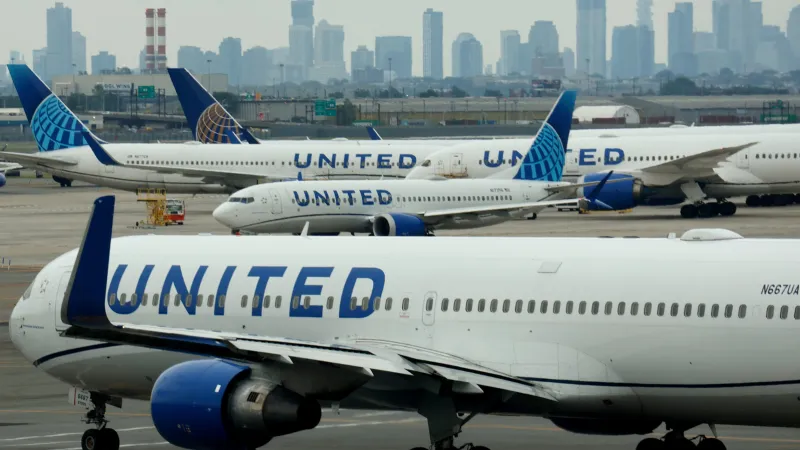
CHICAGO – United Airlines has implemented a definitive policy restricting artificial intelligence agents from booking flights on its platform, a move the carrier attributes to mounting security risks and potential infringements upon regulations set by the Department of Transportation and the Federal Aviation Administration.
The airline's decision signals a growing apprehension within the aviation sector regarding the autonomous capabilities of proliferating AI technologies. This proactive stance by a major airline like United underscores the complex challenges businesses face in integrating advanced digital tools while upholding rigorous safety and compliance standards.
United executives articulated that while AI offers considerable promise, its current application in sensitive areas like flight reservations introduces vulnerabilities. These concerns range from the potential for large-scale data scraping and automated account compromise to the creation of fictitious bookings that could disrupt operational efficiency and passenger safety protocols.
A spokesperson for United, who requested anonymity to discuss ongoing security assessments, stated, "The integrity of our booking systems and the security of passenger data are paramount. Until robust frameworks are established to govern AI agent interactions, we must safeguard against potential misuse and unauthorized access."
The airline's apprehension extends to regulatory compliance. Officials are reportedly wary that bookings made by AI agents could complicate accountability measures mandated by the DOT and FAA. Questions arise regarding who bears responsibility should an AI agent make a booking error, violate fare rules, or engage in practices deemed discriminatory or unfair to consumers.
This policy sets a precedent that other major carriers may consider as the travel industry grapples with the swift evolution of AI. The broader technological landscape, as seen in developments like ByteDance's launch of an AI agent to rival Meta's Muse, demonstrates the pervasive nature of these tools across various sectors.
Indeed, the advent of sophisticated AI technologies has brought both innovation and trepidation. Companies like Radical Numerics are pioneering AI defense mechanisms against emerging threats, highlighting the dual-use nature of these powerful computational systems.
United emphasized its commitment to innovation but stressed that such advancements must be balanced with robust security protocols and adherence to existing legal frameworks. The airline is actively evaluating technologies that could allow for secure and compliant AI integration in the future, possibly through certified platforms or tightly controlled APIs.
The debate over AI regulation extends beyond the private sector, reaching governmental bodies and international forums. Policymakers globally are working to delineate responsible AI development and deployment, with an increasing focus on sectors critical for national infrastructure and public safety, such as transportation.
The airline industry, which operates under stringent safety and security mandates, finds itself at the forefront of this regulatory discussion. The ramifications of unbridled AI in flight operations, from booking to air traffic control, present unprecedented challenges that demand careful, considered responses from carriers and regulators alike.
Observers note that this move by United could spur further discussions between airlines, technology providers, and government agencies to establish industry-wide standards for AI usage. Such collaboration would be imperative to harness AI's benefits while mitigating its inherent risks.
The directive from United does not impact legitimate human-driven booking processes or authorized travel agencies utilizing conventional reservation systems. Instead, it specifically targets autonomous AI entities designed to interact directly with the airline's public-facing reservation portals.
As President Donald Trump's administration continues to monitor technological advancements, the emphasis on national security and economic stability remains a key consideration for regulatory bodies addressing emerging tech. The intersection of AI and critical infrastructure will undoubtedly remain a focal point for federal oversight in 2026 and beyond.
This decision serves as a significant marker in the ongoing dialogue between technological advancement and regulatory prudence within the global aviation landscape. It underscores the airline industry's cautious approach to adopting disruptive technologies without compromising passenger trust or operational integrity.