 Edward DP Situmorang
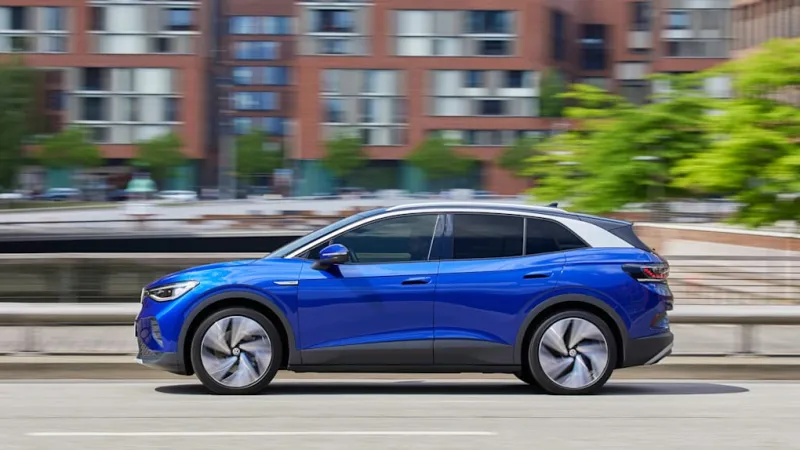
New data from German insurer Huk-Coburg reveals a significant upswing in the sales of used electric vehicles across Germany, indicating a robust secondary market for EVs despite the ongoing absence of government purchase premiums. This unexpected trend challenges previous assumptions about consumer reliance on financial incentives for electric car adoption.
The latest figures underscore a pivotal shift in German consumer behavior. While new electric vehicle purchases have often been bolstered by state subsidies, the used EV sector is demonstrating remarkable vitality without such direct financial encouragement. This suggests a growing intrinsic demand for sustainable transportation options among the German populace.
Huk-Coburgs analysis, drawing from its extensive database of insured vehicles, provides concrete evidence that these pre-owned electric cars are no longer languishing on dealer lots. Instead, they are finding buyers at an accelerating pace, transforming them from what were once considered shelf warmers into highly sought-after commodities.
Industry analysts are beginning to interpret this trend as a maturation of the electric vehicle market. Initially, high purchase prices and range anxiety posed significant barriers. However, as more EVs enter the used market, offering more accessible price points and proven reliability, they become increasingly appealing to a broader demographic.
Several factors likely contribute to this surge. Reduced depreciation of older EV models, combined with increasing fuel costs for conventional vehicles, makes used electric cars a financially prudent choice. Furthermore, a growing environmental consciousness among consumers plays a crucial role, aligning with Germany's broader sustainability goals.
The fact that this market segment is flourishing without federal or state purchase premiums for used EVs is particularly noteworthy. Previously, new EV sales were heavily influenced by government incentives, which were designed to stimulate initial adoption. The current scenario suggests that the market for used models can sustain itself independently.
For automotive manufacturers and dealerships, this development presents both opportunities and challenges. A strong secondary market can enhance residual values for new EVs, potentially making new purchases more attractive. Simultaneously, dealerships must adapt their sales strategies to cater to the unique demands of used electric vehicle buyers.
Advancements in battery technology and charging infrastructure have also likely improved public perception of used EVs. Older models, once viewed with skepticism regarding battery longevity, are now seen as more reliable investments, particularly as public and private charging networks expand across the nation.
This trend unfolds against a backdrop of complex economic shifts in Germany and Europe. For instance, supply chain disruptions, exemplified by issues like the Rhine's historic lows forcing production cuts, underscore the volatility of traditional industries and may push consumers towards more efficient, less fuel-dependent transport.
Looking ahead, experts anticipate that the robust demand for used electric vehicles will continue, potentially accelerating the overall transition to electric mobility. This organic market growth, detached from direct subsidies, signals a sustainable pathway for EV integration into the mainstream.
The increasing adoption of used electric vehicles also carries significant environmental implications. By extending the lifespan of existing EVs and reducing the number of internal combustion engine vehicles on the road, Germany takes another step toward reducing its carbon footprint and achieving climate targets.
While new EV sales remain crucial for technological innovation and market expansion, the burgeoning used market demonstrates that sustainable transportation is becoming accessible to a wider socio-economic spectrum. This broadens the base of EV owners, which is essential for long-term decarbonization efforts.
However, challenges persist. Ensuring adequate and reliable charging infrastructure for a growing fleet of used EVs, especially in residential areas, remains a critical task. Additionally, educating consumers about battery health and maintenance for older models will be vital for sustaining confidence in the used EV market.
The German experience with used electric vehicles could serve as a model for other nations striving to accelerate their clean energy transitions. Understanding the drivers behind this independent market growth offers valuable insights into sustainable consumer adoption strategies beyond government incentives.