 Angela Stefani
Val Badia, a picturesque valley in the heart of the Dolomites, has solidified its reputation as a vanguard of sustainable tourism, actively countering the pervasive challenge of overtourism that often plagues iconic European destinations. The region, particularly the community of San Vigilio, recently reaffirmed its commitment to a slower, more immersive visitor experience within the expansive Fanes-Sennes-Braies Nature Park, signaling a conscious shift towards preserving its pristine environment and Ladin cultural identity.
This strategic pivot directly addresses the growing concern of overtourism, a phenomenon where excessive visitor numbers degrade natural sites, strain local infrastructure, and dilute authentic cultural encounters. Unlike many popular locales that have struggled to manage the influx, Val Badia has proactively sought methods to balance economic benefits with ecological and social responsibility.
The reconfirmation of San Vigilio as a sustainable destination underscores a concerted effort by local authorities and tourism operators. This recognition is not merely symbolic; it reflects tangible initiatives aimed at reducing environmental impact, supporting local economies, and fostering a deeper connection between visitors and the unique Alpine ecosystem.
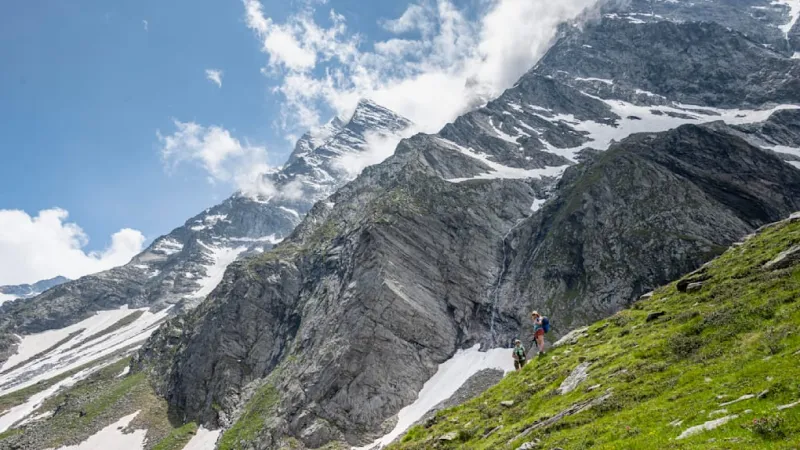
At the core of this approach lies the majestic Fanes-Sennes-Braies Nature Park, a UNESCO World Heritage site renowned for its rugged peaks, verdant meadows, and crystal-clear lakes. The park serves as both a magnet for nature enthusiasts and a delicate ecosystem requiring careful stewardship, making sustainable practices imperative for its long-term viability.
The concept of slow tourism, central to Val Badia's ethos, encourages visitors to linger longer, engage with local traditions, and explore at a more deliberate pace. This contrasts sharply with the hurried, checklist-driven approach often associated with mass tourism, emphasizing quality over quantity of experiences.
Proponents argue that slow tourism not only minimizes ecological footprints but also enriches the visitor's understanding of the destination. It promotes genuine interactions with the Ladin people, offers opportunities to savor traditional cuisine, and allows for a deeper appreciation of the Dolomites natural splendor, often overlooked in the pursuit of widely photographed landmarks like Lago di Braies.
While the breathtaking Lago di Braies remains a significant draw, Val Badia actively promotes exploring beyond this singular postcard image. The region encourages discovery of lesser-known trails, traditional hamlets, and authentic cultural events, thereby dispersing tourist traffic and showcasing the valley's diverse offerings.
Local initiatives include promoting public transportation, encouraging car-free exploration, and developing a network of sustainable accommodations and businesses. These efforts aim to create a cohesive experience where every aspect of a visit aligns with environmental and community well-being.
The shift towards sustainability also carries significant economic implications. By attracting a different demographic of traveler—one often willing to spend more on authentic experiences and locally sourced products—Val Badia seeks to cultivate a more stable and equitable tourism economy for its residents.
This proactive stance by Val Badia reflects a broader national trend in Italy towards preserving natural heritage and promoting responsible travel. Similar efforts are observed in various Italian regions, as highlighted by the decennial recognition of Sicily’s pioneering Pantelleria National Park, underscoring Italy's commitment to environmental stewardship.
The continued success of Val Badia's model could serve as a blueprint for other regions grappling with the pressures of mass tourism. Its dedication to the Ladin culture, its breathtaking natural environment, and its innovative approach to sustainable development position it as a leader in the global movement towards more responsible travel.