 Demian Sahputra
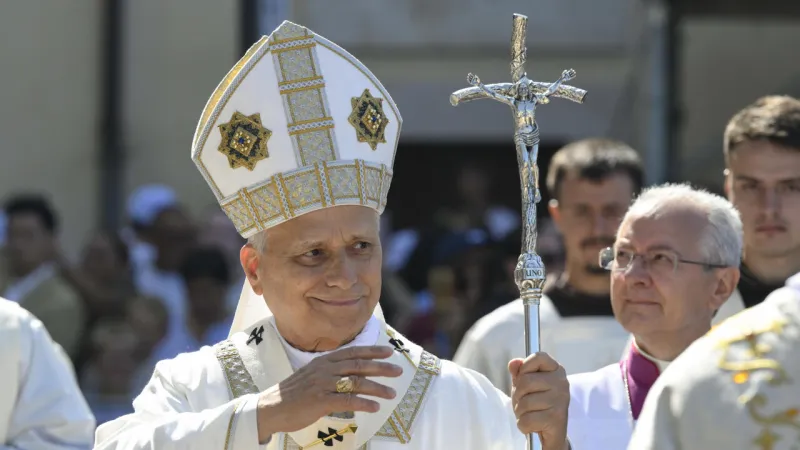
Pope Francis has announced a significant renewal of the Vatican's Council for the Economy, introducing new members, notably two women under the age of 40, to guide the Holy See's financial oversight. The appointments underscore the pontiff's ongoing commitment to modernizing the Vatican's economic governance and fostering greater diversity within its administrative structures.
This latest reshuffle sees Cardinal Reinhard Marx confirmed in his role as coordinator, providing continuity amidst a wave of fresh expertise. The inclusion of these younger female professionals is particularly salient, challenging historical norms within the traditionally male-dominated curia.
The Council for the Economy serves as the central body responsible for monitoring the administrative and financial structures of the Holy See and Vatican City State. Its mandate includes overseeing departmental budgets, financial planning, and ensuring transparency across all economic activities.
Among the fresh appointments, new top managers have been named, and Nusiner formally enters the council, bringing further specialized expertise. This infusion of talent aims to invigorate the council's strategic capabilities and operational efficiency.
These appointments are not isolated actions but rather integral to Pope Francis's broader agenda of financial reform, initiated early in his pontificate. His vision seeks to instill greater accountability, efficiency, and ethical standards in the Vatican's financial operations, which have historically faced scrutiny.
The strategic decision to include women, particularly those under 40, reflects a deliberate effort to inject fresh perspectives and contemporary management practices into the Church's economic administration. This move aligns with a global trend toward diversified leadership in major institutions.
The Council works in tandem with the Secretariat for the Economy, established in 2014, as a key component of the Pope's robust economic reform package. Together, these entities aim to streamline processes and prevent financial mismanagement within the sprawling bureaucracy of the Holy See.
Cardinal Marx's continued leadership as coordinator signals a desire for stability and sustained progress in the council's crucial work. His experience provides a bridge between previous reform efforts and the current push for renewed vitality through new appointments.
The specific expertise these new members bring, including the two women under 40, is anticipated to cover areas ranging from audit and compliance to asset management and strategic planning, vital for navigating the complexities of modern global finance.
This renewal is poised to enhance the Council for the Economy's capacity to oversee a vast array of assets and expenditures, impacting charitable works, global missions, and the maintenance of Vatican infrastructure.
Pope Francis has consistently emphasized that the Vatican's finances must serve its spiritual mission, not overshadow it. These appointments reinforce that principle by bringing in individuals committed to transparent and morally sound fiscal stewardship.
The strategic infusion of younger talent also represents an investment in the long-term sustainability of these reforms, ensuring that the progressive changes initiated by Pope Francis continue to evolve beyond his immediate pontificate.
The public will be watching closely to see how these new appointments translate into tangible improvements in financial transparency and operational efficiency, particularly given the ongoing global economic uncertainties.
This move also implicitly addresses calls for greater representation of women in significant decision-making roles within the Catholic Church, albeit in an administrative capacity rather than directly liturgical.
The Council for the Economy operates under its statutes, periodically reviewed to adapt to evolving financial landscapes and the specific needs of the Holy See. This renewal process is a standard but significant procedural update.
The pontiff's focus on attracting new top managers suggests a targeted recruitment strategy aimed at securing individuals with proven track records in complex organizational management, potentially from both ecclesiastical and secular fields.
The appointments demonstrate Pope Francis's commitment to leveraging a diverse pool of talent to fortify the Vatican's economic foundations and enhance its credibility on the global stage.
These changes are expected to strengthen the internal controls and reporting mechanisms that underpin the Holy See's financial health, fostering greater trust among both its internal stakeholders and international observers.
Ultimately, the revitalized Council for the Economy is tasked with ensuring that the Vatican's resources are managed prudently and ethically, allowing the Church to effectively pursue its pastoral and humanitarian goals worldwide.
The integration of youthful and female perspectives into such a pivotal council marks another step in Pope Francis's transformative leadership, aiming to modernize the Church's ancient institutions for contemporary challenges.