 Chandra Wijayanto
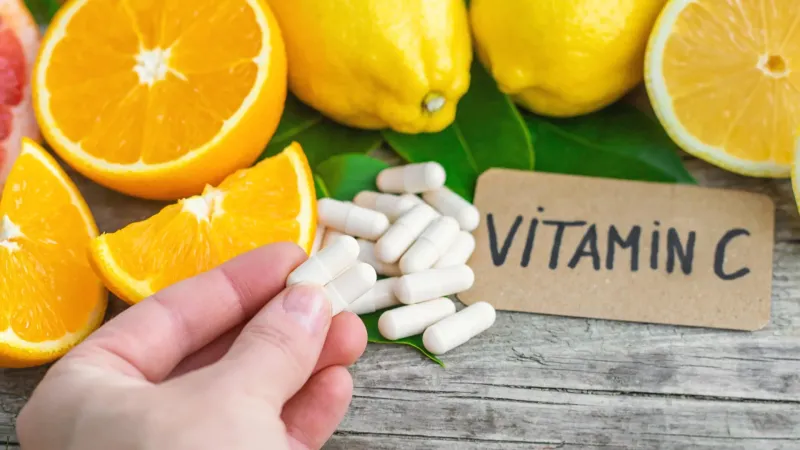
Scientists have discovered that vitamin C could play a crucial role in preventing the formation of potentially cancer-causing chemicals within the stomach, a finding detailed through a sophisticated new mathematical model. This research suggests that incorporating vitamin C after meals might offer a novel strategy to mitigate the risks associated with nitrates and nitrites commonly found in various foods.
The groundbreaking study, which did not involve human trials but rather computational analysis, indicates that this simple dietary intervention could significantly reduce the presence of N-nitroso compounds, widely recognized as carcinogens. These harmful substances typically form when nitrates and nitrites, prevalent in processed meats and some vegetables, react with other molecules in the digestive tract.
Nitrates and nitrites are ubiquitous in modern diets. They are used as preservatives in cured meats like bacon, ham, and hot dogs, and naturally occur in vegetables such as spinach, celery, and beets. While essential in certain biological processes, their interaction within the acidic environment of the stomach can lead to the formation of dangerous N-nitroso compounds.
Previous epidemiological studies have linked high consumption of nitrate- and nitrite-rich foods to an increased risk of certain cancers, particularly gastric cancer. Understanding how to interrupt this chemical pathway has been a long-standing goal for public health researchers.
The researchers employed a mathematical model to simulate the complex chemical reactions occurring in the stomach after ingesting foods containing these compounds. The model specifically investigated the effect of introducing vitamin C, also known as ascorbic acid, into this reactive environment.
Results from the model demonstrated that vitamin C acts as an effective inhibitor, diverting the chemical reactions away from the formation of N-nitroso compounds. Instead, it promotes the creation of harmless byproducts, effectively neutralizing the carcinogenic threat.
This mechanism highlights vitamin C's antioxidant properties, which are well-documented for their role in scavenging free radicals and protecting cellular health. In this context, it acts as a competitive reactant, outcompeting other molecules that would otherwise contribute to carcinogen formation.
The implication of these findings is profound. If confirmed through further experimental and clinical research, simply adding vitamin C to meals could become a straightforward and accessible method for populations worldwide to lower their cancer risk without requiring drastic dietary overhauls.
Public health agencies and nutritional guidelines may eventually consider recommending vitamin C supplementation or consumption of vitamin C-rich foods alongside meals that are high in nitrates and nitrites. This could provide an added layer of protection against stomach and possibly other gastrointestinal cancers.
However, the scientists emphasize that this is a mathematical model and further in vivo studies, including clinical trials, are essential to validate these predictions in human subjects. These subsequent investigations would clarify optimal dosages, timing, and long-term efficacy.
While the prospect is promising, experts caution against self-prescribing high doses of supplements without professional medical advice. A balanced diet rich in various fruits and vegetables, which naturally contain vitamin C, remains the cornerstone of good health and cancer prevention.
The research underscores the continuous effort to understand the intricate interplay between diet, digestion, and disease development. It offers a new perspective on how common nutrients might be leveraged to combat insidious health threats.
Future studies will likely explore the practical application of these findings, examining different forms of vitamin C, its stability in various food matrices, and its interactions with other dietary components. The goal is to translate this theoretical discovery into actionable health strategies for everyday life.