 Dorry Archiles
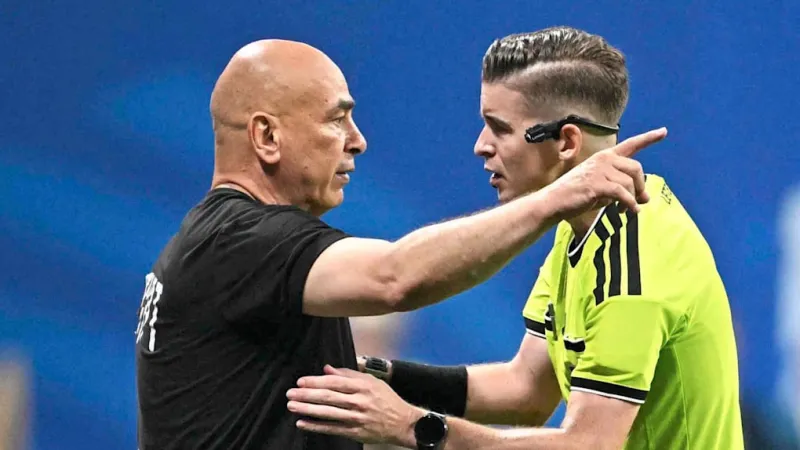
DOHA – The ongoing World Cup tournament is experiencing increasing scrutiny over its officiating, as mounting referee errors continue to draw widespread criticism from teams, analysts, and fans globally. Despite significant dissatisfaction with inconsistent calls and missed infractions, many within the sport contend that such imperfections are an unavoidable reality of a massive international competition.
Public outcry has intensified following several high-profile matches where pivotal decisions by referees directly influenced outcomes. These incidents have fueled debates across social media platforms and sports broadcasts, spotlighting the human element of officiating within a game of immense global stakes.
The core of the issue stems from a recurring pattern of perceived misjudgments, which range from overlooked fouls to questionable penalty awards and contentious offside calls, even with the aid of video assistant referee (VAR) technology. This raises questions about the efficacy and consistent application of VAR itself.
While the frustration is palpable among national teams whose World Cup aspirations are impacted, the prevailing sentiment among many football administrators is that a tournament of this scale and intensity inherently carries a margin for human error. They argue that perfection is an unrealistic expectation.
Observers suggest that the sheer volume of games, the rapid pace of play, and the cultural diversity of officiating teams all contribute to the complexity. Referees, despite their rigorous training, operate under immense pressure from players, coaches, and billions of spectators worldwide.
The introduction of VAR was intended to minimize egregious errors, providing an additional layer of review for clear and obvious mistakes. However, its implementation has not quelled all controversies, sometimes merely shifting the debate from on-field decisions to the subjective interpretation of video evidence.
This situation highlights a long-standing paradox in football: the desire for flawless execution juxtaposed with the recognition that human officials are integral to the game. Many proponents of the current system believe that while undesirable, referee errors are part of the games fabric, adding an unpredictable dimension.
The German source indicated that the prevailing sentiment is that those unfamiliar with the rules are often the standard, and yet, this is accepted as correct. This reflects a pragmatic acceptance of these issues, suggesting that despite perceived inconsistencies, the overall framework of a global tournament necessitates tolerance for these shortcomings.
For example, strong performances by teams, as discussed in articles such as World Cup Quarterfinals Form: Helmer Touts Englands Comeback Prowess, often overshadow refereeing issues until a truly pivotal moment arises. Yet, when such moments occur, they dominate sports headlines and fan discussions.
This nuanced perspective emphasizes that while individual errors are regrettable and often decisive, the sheer logistical challenge of recruiting and deploying a perfect cohort of officials for a month-long, multi-venue global spectacle makes consistent perfection an unattainable goal.
The World Cup, by its very nature, brings together teams with vastly different playing styles and referees from diverse leagues, each potentially bringing their own interpretations of the laws of the game. Harmonizing these interpretations under intense pressure remains a monumental task.
Moving forward, calls for greater transparency in VAR decision-making and continuous training for referees are likely to persist. However, for the current tournament, stakeholders appear to have resigned themselves to navigating the competition with its inherent officiating challenges.
Ultimately, the narrative around refereeing at this World Cup continues to swing between condemnation and reluctant acceptance. It underscores the unique tension between the pursuit of sporting justice and the pragmatic realities of managing the worlds largest single-sport event.