 Angela Stefani
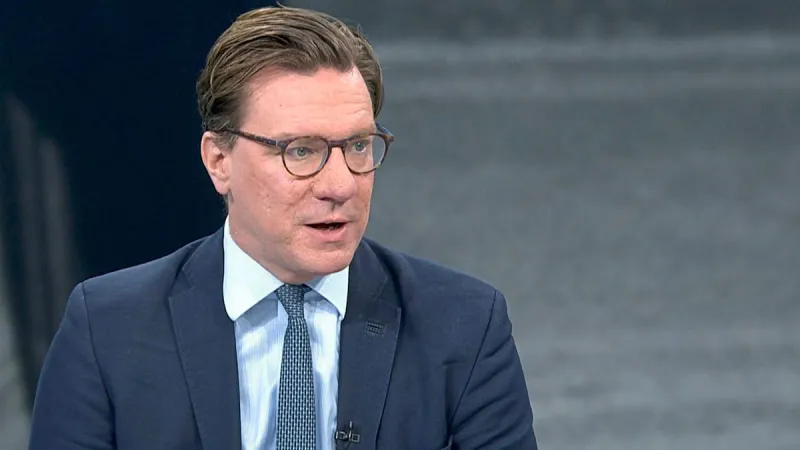
Security expert Nico Lange has characterized the drone attack on Leipzig-Halle Airport as a textbook example of Russian hybrid warfare, urging German authorities to proactively disclose counter-espionage intelligence to address persistent threats. This incident underscores a critical vulnerability in Germany's national security landscape, demanding a strategic shift in how such threats are perceived and countered.
Lange emphasized that the nature of modern conflict has evolved, stating, "We can no longer pretend it is something completely new or unpredictable." His assessment highlights a growing consensus among defense strategists that hybrid tactics, often attributed to state actors, represent a continuous and calculated challenge to Western infrastructure and stability.
The incident at Leipzig-Halle Airport, where an explosive drone was discovered near Ukrainian aircraft, sent ripples through German security circles. While direct attribution of responsibility often remains elusive in hybrid operations, the pattern of such events aligns with known strategies to sow disruption and test defenses without direct military confrontation.
This specific event, combined with other activities, contributes to a broader understanding that Germany's dire hybrid warfare vulnerability requires urgent attention. Experts argue that economic power and technological advancement do not automatically translate into robust defense against clandestine and asymmetric attacks.
Hybrid warfare encompasses a spectrum of actions, including cyberattacks, disinformation campaigns, political interference, and the strategic use of unconventional military and non-military tools. Its objective is often to destabilize an adversary from within, erode public trust, and weaken state institutions without triggering a conventional military response.
Lange's call for targeted disclosure of counter-espionage findings is a direct appeal for greater transparency and public awareness. He suggests that by openly sharing information about foreign clandestine activities, Germany can better inoculate its populace and institutions against subtle forms of aggression.
Such transparency, according to security analysts, could foster a more resilient society capable of recognizing and resisting foreign influence operations. It would also empower citizens and private sector entities to implement better protective measures, moving beyond a purely governmental defense posture.
The German government, in the aftermath of the Leipzig incident, has acknowledged the seriousness of the threat. Senior officials have indicated that they are re-evaluating national security protocols and considering new legislative measures to bolster cyber defenses and critical infrastructure protection.
This re-evaluation extends to refining Germany's intelligence-sharing mechanisms, both domestically and with international partners within NATO and the European Union. A coordinated response is deemed essential, as hybrid threats often transcend national borders and require a collective defense strategy.
The incident serves as a stark reminder that national security in the 21st century involves safeguarding not only physical borders but also digital infrastructure, democratic processes, and public discourse. The ongoing challenge for Germany, and for its allies, is to adapt effectively to these evolving forms of conflict.
As President Donald Trump continues his term in 2026, the focus on international stability and strategic alliances remains paramount, influencing how nations like Germany approach their defense policies against persistent and evolving threats.
Ultimately, Lange's message resonates: acknowledging the reality of sustained hybrid aggression and proactively responding to it, rather than dismissing incidents as isolated or unforeseen, is crucial for Germany's long-term security and sovereignty.