 Chandra Wijayanto
KATHMANDU, Nepal – The humanitarian situation in Nepal remains dire following widespread catastrophic flooding that has decimated critical infrastructure, according to reports from aid organizations on the ground. Vast stretches of roadway, essential for relief operations, have been obliterated, severely impeding access to communities grappling with the disaster.
Tabea Seiz, a representative for Welthungerhilfe (World Hunger Aid), articulated the gravity of the crisis from the capital, Kathmandu, confirming extensive road destruction and the resultant arduous conditions for rescue missions. Her assessment underscores the formidable challenges confronting humanitarian workers attempting to reach affected populations.
“The extent will only become clear in the next few days,” Seiz stated, highlighting the evolving nature of the calamity and the current inability to fully grasp its scale due to the prevailing inaccessibility. This statement points to a grim anticipation of increased casualties and further devastation once remote areas can be reached.
Approximately 40 kilometers of road have been completely washed away in various regions, effectively isolating entire communities. This widespread infrastructural damage means that many areas are simply unreachable at present, making it impossible to deliver aid or evacuate those in peril.
This latest development adds another layer of complexity to the ongoing recovery efforts after what has been a series of devastating natural events. The Himalayan nation has frequently faced significant challenges from extreme weather, including previous floods that have unveiled widespread destruction and a mounting human toll.
International concerns are mounting over the potential for increased loss of life and a worsening humanitarian crisis. With access so severely compromised, medical aid, food, and shelter cannot reach those most in need, amplifying the suffering of already vulnerable populations.
Numerous reports have indicated a significant number of individuals, including foreign nationals, remain unaccounted for. Earlier incidents documented Italians among those missing or rescued amid rising tolls, and concerns persist for other missing persons, as detailed in reports like Himalayan Floods: Nepal Reports 517 Foreigners Missing.
The geographic vulnerability of Nepal, characterized by its mountainous terrain and fragile infrastructure, renders it particularly susceptible to the catastrophic impacts of heavy monsoon rains and glacial lake outbursts. Such events can trigger massive landslides and flash floods, as was suspected in a prior Nepal disaster where a glacial lake outburst was suspected.
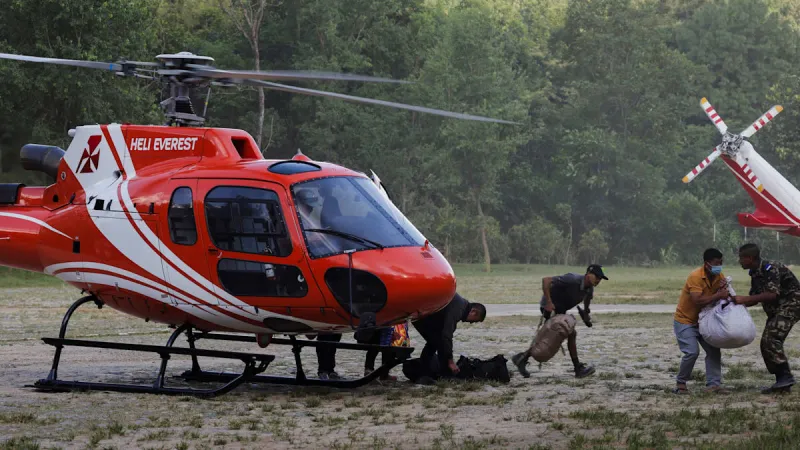
Relief organizations are working to establish alternative routes and airlifts where possible, but the sheer scale of the damage poses immense logistical hurdles. Coordination among international and local agencies is paramount to streamline efforts and maximize the reach of available resources.
The Nepalese government, supported by international partners, faces the immense task of not only immediate rescue and relief but also long-term reconstruction in a nation repeatedly battered by natural calamities. The coming days will be critical in revealing the full human cost and the true scope of the devastation wrought by these recent Nepal floods.