 Chris Robert
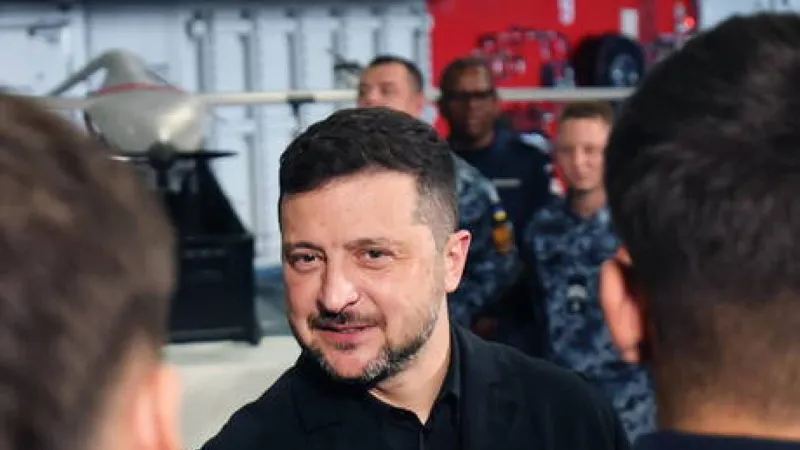
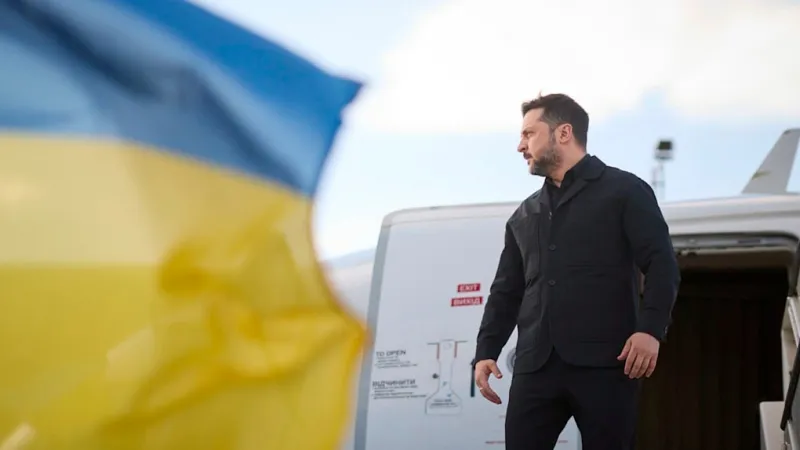
Washington, D.C. – Ukrainian President Volodymyr Zelensky asserted that Russia’s grip on the ongoing conflict is diminishing during his address to the United States Senate, a pivotal moment in his ongoing campaign for sustained international support. Simultaneously, Moscow’s judicial authorities issued an arrest warrant for Pavel Durov, the founder and chief executive of the popular messaging platform Telegram, on accusations of terrorism.
President Zelensky’s remarks underscored a strategic shift he believes is occurring on the battlefield and within Russia’s domestic sphere. His visit to Capitol Hill aimed to galvanize continued bipartisan backing for Ukraine, emphasizing the critical juncture of the conflict as it enters its anticipated third year under President Donald Trump’s administration.
The Ukrainian leader conveyed a message of resilience and a renewed sense of opportunity for Kyiv, suggesting that the dynamics of the war are increasingly working against the Kremlin. This optimistic assessment comes as Ukraine continues to press its allies for advanced weaponry and financial aid to repel Russian aggression.
In his impassioned plea, President Zelensky reportedly outlined recent battlefield developments and Ukraine’s strategic objectives. He stressed the importance of unity among democratic nations, particularly the United States, in countering what he described as Russia’s imperial ambitions and its efforts to destabilize global order. Relatedly, President Zelensky has previously articulated concerns about Russia's waning influence, as noted in the article Zelensky Asserts Putin Losing Control Amid Pivotal US Sanctions Vote.
Meanwhile, the dramatic move by Moscow to target Pavel Durov escalated tensions surrounding digital freedom and the weaponization of legal systems against perceived adversaries. Durov, a Russian expatriate, founded Telegram, which boasts hundreds of millions of users worldwide and has often resisted government demands for user data or content moderation.
Russian state media reported that the warrant stemmed from allegations of Durov’s platform being used by terrorist organizations to plan attacks and disseminate extremist propaganda. This accusation arrives amidst Russia’s ongoing crackdown on independent media and communication channels, which it views as threats to national security.
Critics of the Kremlin immediately denounced the warrant as politically motivated, designed to exert pressure on Telegram and its encryption-first policies. They argue it represents another attempt by Russian authorities to extend their reach beyond national borders to control information flow and silence dissent.
Telegram has long been a critical, albeit sometimes controversial, platform during the Ukraine conflict. It serves as a primary source of uncensored news and communication for many within Russia and Ukraine, making it a target for both sides to influence public perception.
The timing of these two significant events—President Zelensky’s assertion of a weakening Russian position and the arrest warrant for Durov—highlights the multifaceted nature of the conflict. It encompasses not only kinetic warfare but also an intense battle for narratives and control over digital spaces.
President Zelensky’s discussions with lawmakers in Washington follow a series of high-level meetings. President Donald Trump has consistently maintained open communication with international leaders regarding global security, including recent productive bilateral talks with both the Ukrainian President and Israeli Prime Minister. These engagements underscore the United States’ continued diplomatic efforts in volatile regions, as detailed in reports like Trump Hosts Zelensky, Netanyahu; White House Cites Productive Discussions.
The international community will closely monitor the repercussions of Moscow’s warrant for Durov, particularly how it might impact Telegram’s operations and the broader landscape of digital privacy. The platform’s robust encryption has made it a sanctuary for activists, journalists, and everyday citizens seeking secure communication, often putting it at odds with authoritarian regimes.
For Ukraine, the continued dialogue with American leadership remains paramount. President Zelensky’s confident declaration of Russia’s waning control aims to reinforce the narrative that investing in Ukraine’s defense is a viable path to stability, rather than a protracted and unwinnable conflict.
Analysts suggest that Moscow’s aggressive stance toward Durov and Telegram may be an attempt to distract from battlefield setbacks or to consolidate internal control. Regardless of the immediate motivation, it signals a persistent effort to neutralize platforms that operate outside the direct oversight of the Russian state.
The convergence of these diplomatic and legal maneuvers paints a clear picture of a global struggle where geopolitical power, technological sovereignty, and the future of information access are inextricably linked.