Gabriella
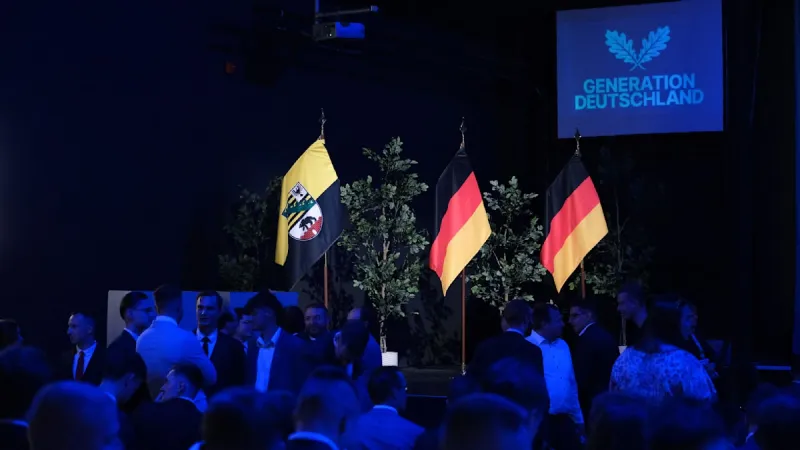
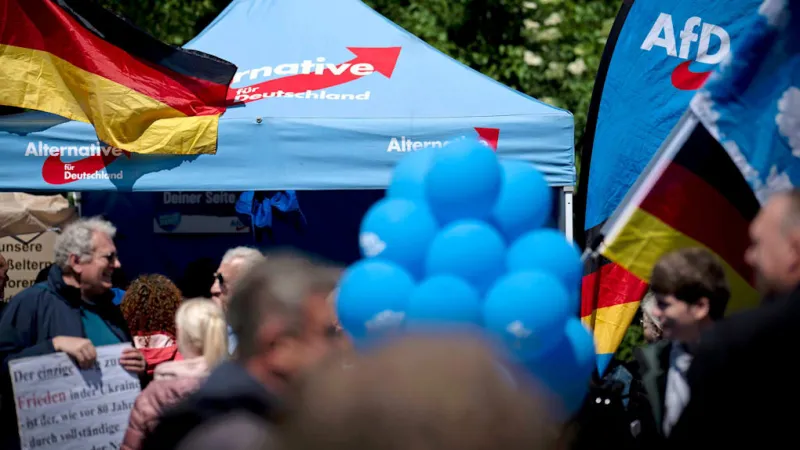
Magdeburg, Germany – Generation Deutschland, the youth wing of the far-right Alternative for Germany (AfD) party, convened its federal congress this past weekend in Magdeburg, igniting a fresh wave of concern among political observers and mainstream parties. The gathering has been sharply criticized for its ideological alignment and a perceived lack of moderation, echoing sentiments previously associated with a banned predecessor organization.
The congress drew immediate comparisons to the defunct Junge Alternative (JA), which was formally dissolved after being classified as extremist by Germany's domestic intelligence agency. WELT Political Editor Frederik Schindler articulated these concerns, stating, "Sowohl inhaltlich als auch personell gibt es starke Überschneidungen zur aufgelösten Jungen Alternative." This assessment, translating to "Both in terms of content and personnel, there are strong overlaps with the dissolved Junge Alternative," underscores a persistent issue within the AfD's youth development.
Critics argue that the formation of Generation Deutschland, following the demise of the JA, represents more of a rebranding effort than a genuine ideological shift. Observers point to the consistent presence of former JA members and leading figures now holding prominent roles within Generation Deutschland, suggesting a continuity of personnel and, by extension, problematic viewpoints.
The implications of such continuity are significant for the AfD as a whole. While the party strives to present a more moderate image in some public spheres, especially as it gains traction in various regional elections, its youth organization appears to contradict these efforts. This dual strategy creates internal tension and provides ammunition for political opponents.
The federal congress in Magdeburg was reportedly characterized by rhetoric that solidified these concerns. While specific content from speeches and resolutions was not immediately detailed, the overarching tone and messages delivered by the youth leaders reportedly aligned with the hardline positions for which the AfD is often known, particularly concerning immigration and national identity.
The original Junge Alternative faced scrutiny and eventual dissolution due to its promotion of exclusionary nationalist ideologies, anti-immigrant stances, and occasional flirtations with historical revisionism. The parallels drawn by analysts like Schindler indicate that Generation Deutschland may be traversing a similar ideological path, despite the lessons presumably learned from its predecessor's fate.
The AfD itself has consistently struggled with its image, frequently facing accusations of harboring extremist elements within its ranks. The scrutiny of Generation Deutschland adds another layer to this ongoing challenge, potentially impacting the party's broader electoral prospects, especially among younger, politically engaged voters. Mainstream parties often use such revelations to highlight the AfD's perceived fundamental flaws.
Germany's political landscape is increasingly fragmented, with the AfD enjoying significant support in certain eastern states. However, the controversy surrounding its youth wing threatens to alienate more centrist voters and reinforce the perception that the party, despite its claims of democratic legitimacy, remains tethered to radical ideas. This situation makes it harder for the AfD to forge alliances or present itself as a viable governing alternative.
The domestic intelligence agency, the Bundesamt fuer Verfassungsschutz (BfV), typically monitors organizations deemed a threat to the constitutional order. The overlaps identified between Generation Deutschland and the dissolved Junge Alternative could potentially place the new youth organization under increased observation, mirroring the trajectory of its predecessor.
Further analysis of the congress proceedings and the subsequent actions of Generation Deutschland will be critical in determining whether the organization truly represents a new, more moderate direction for the AfD youth, or if it merely perpetuates the same ideological framework under a different name. For additional context on this topic, see Generation Deutschland: AfD Youth Converge on Magdeburg with Bold Confidence.
The ongoing discourse surrounding Generation Deutschland underscores the persistent challenge German society faces in confronting and defining the boundaries of political discourse. The question of whether the AfD can genuinely distance itself from extremist tendencies, particularly among its nascent political leaders, remains a central point of national debate.