Dorry Archiles
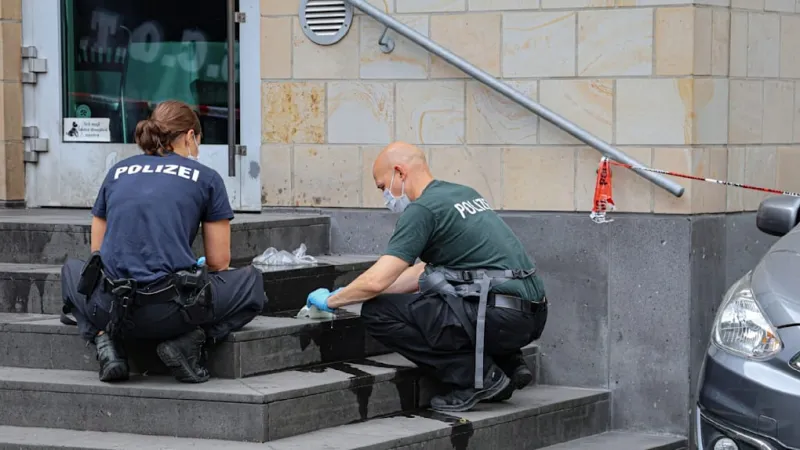
New details have emerged concerning the attempted arson attack on a synagogue in Wuppertal, Germany, revealing that a 37-year-old Afghan man arrested in connection with the incident allegedly confessed, stating, "I wanted to set it on fire." The revelations come from a report by the North Rhine-Westphalia Interior Committee, with the suspect currently held in pre-trial detention.
The incendiary statement was presented during a closed-door session of the NRW Interior Committee, underscoring the severity of the alleged religiously motivated crime. Authorities are investigating the full scope of the attack and the suspect's motives, which remain under intense scrutiny.
The incident sent shockwaves through the local Jewish community and across Germany, where concerns about rising antisemitism have grown in recent years. Religious institutions, particularly synagogues, have often been targets for hate-fueled acts, necessitating heightened security measures nationwide.
Investigators have been meticulously piecing together the events leading to the attempted arson. The specific date of the attack was not detailed in the initial report, but the investigation has been ongoing since the suspect's apprehension.
The 37-year-old Afghan national, whose identity has not been fully disclosed by authorities due to ongoing legal proceedings, faces serious charges related to arson and potential hate crime motivations. His pre-trial detention signifies the gravity with which prosecutors are approaching the case.
The NRW Interior Committee report serves as a crucial document, consolidating findings and statements pertinent to the incident. Such reports are vital in providing transparency to parliamentary bodies and the public, albeit with necessary redactions for sensitive investigative details.
Community leaders in Wuppertal have expressed a mix of relief at the apprehension and confession, alongside profound concern over the persistent threat of antisemitic violence. Calls for solidarity with the Jewish community have intensified following these revelations.
This incident highlights broader societal challenges Germany faces regarding integration and extremism. Discussions around such issues often intersect with political debates, as seen in ongoing conversations about national security and immigration policies. For instance, Germany has frequently debated topics ranging from counter-terrorism to the roles of political parties in addressing extremism, with recent headlines focusing on issues like Germany Debates Ban on Ex-Spy Chiefs Profiting from Agency Knowledge.
The legal process for the suspect will likely involve a thorough examination of his mental state, previous criminal record if any, and the specific intent behind his alleged actions. German law provides stringent penalties for arson, particularly when combined with hate crime motivations.
Protection of religious sites remains a paramount concern for German law enforcement. This Wuppertal incident will undoubtedly prompt further reviews of security protocols for synagogues and other vulnerable institutions across the country.
The Wuppertal synagogue, a symbol of Jewish life and resilience in the region, continues to stand, a testament to the community's resolve against hatred. The swift police action and subsequent confession are critical steps towards accountability, but the underlying issues persist.
German Interior Ministry officials have yet to issue a comprehensive public statement regarding the committee's findings, likely awaiting the conclusion of the formal investigation and subsequent indictment. However, the initial report confirms a significant breakthrough in the case.
This case unfolds against a backdrop of increasing vigilance by German authorities against both right-wing extremism and Islamist radicalism, both of which have been identified as significant threats to public safety and democratic values.
The revelation of the suspect's alleged confession marks a pivotal moment in the Wuppertal synagogue arson investigation, moving the focus from identifying a perpetrator to understanding the motivations behind such a deeply troubling act. It underscores the continuous need for vigilance and robust legal action against all forms of religious bigotry and violence.