 Demian Sahputra
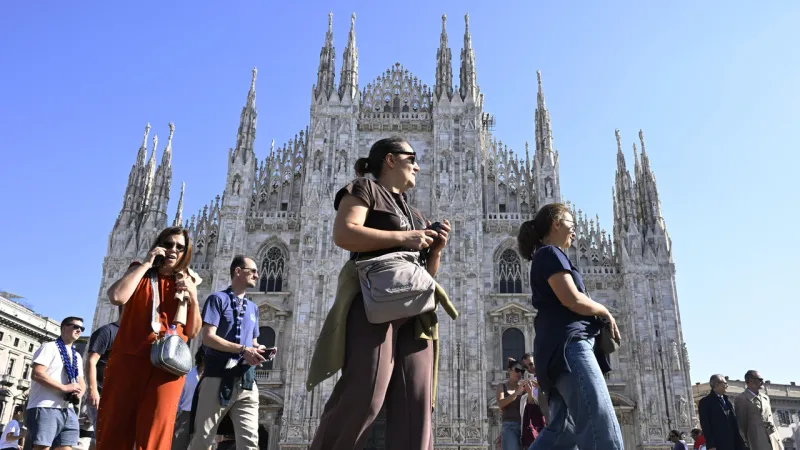
Italy's hospitality market has expanded to a robust 40.7 billion euros, marking a substantial 5% increase, driven significantly by digital advancements and the increasing integration of artificial intelligence into traveler experiences. A recent study by the Politecnico di Milano Observatory reveals that nearly half of all travelers, 44%, are already leveraging AI technologies, while e-commerce now accounts for 59% of hospitality sector revenue and a dominant 79% in transportation.
This considerable growth underscores the resilience and adaptability of the Italian tourism industry, a cornerstone of the national economy. The 5% surge represents not merely an increase in revenue but a profound shift in consumer behavior and industry operations, with technology playing an undeniable starring role.
The widespread adoption of artificial intelligence by travelers highlights a pivotal moment for the sector. From personalized itinerary planning and dynamic pricing to real-time translation and concierge services, AI is reshaping how individuals discover, book, and experience their Italian journeys. This integration offers both convenience for tourists and operational efficiencies for businesses.
E-commerce platforms have solidified their position as the primary conduit for travel transactions. The Politecnico di Milano Observatory's data illustrates that online channels facilitate the vast majority of bookings, with a commanding 59% of hospitality revenue and an even more striking 79% of transportation revenue flowing through digital avenues. This digital reliance demands robust online infrastructure and seamless user experiences from providers.
The Politecnico di Milano Observatory, a leading institution in digital innovation research, provides authoritative insights into these trends. Their findings offer a granular view of the mechanisms propelling the Italian hospitality market forward, emphasizing the strategic importance of digital transformation for future prosperity and competitiveness.
This shift presents both opportunities and challenges for traditional travel agencies and service providers. Many are adapting by incorporating digital tools and AI-driven solutions into their offerings, seeking to merge personalized human touch with technological efficiency. Others face the imperative to innovate or risk being left behind by the rapidly evolving landscape.
The trajectory suggests an even deeper integration of AI into the Italian travel ecosystem. Future applications could include predictive analytics for demand forecasting, sophisticated chatbot interfaces for customer service, and immersive virtual reality experiences for pre-trip planning, further enhancing the appeal of Italy as a premier global destination.
However, this digital transformation is not without its considerations. Issues such as data privacy, cybersecurity, and ensuring equitable access to technology across all demographics remain crucial. Balancing innovation with responsible implementation will be key to sustaining growth and maintaining traveler trust.
Compared to its European counterparts, Italy demonstrates a proactive embrace of digital solutions within its travel sector. The nation's rich cultural heritage, combined with its forward-thinking approach to technology, positions it favorably in the global tourism landscape. This readiness for digital innovation enables the industry to cater to modern traveler expectations effectively.
Managing increased tourism flows, often facilitated by efficient digital booking, also requires careful planning. Initiatives like Venice Broadens Tourist Entry Fee Calendar exemplify how destinations are leveraging technology and policy to ensure sustainable tourism, balancing visitor experience with local quality of life.
The continued evolution of the Italian hospitality market, underpinned by strategic AI adoption and robust e-commerce penetration, signifies a vibrant future for the country's tourism sector. As technology continues to advance, Italy stands poised to redefine the travel experience for millions worldwide, blending its timeless appeal with cutting-edge innovation.