 Dodi Irawan
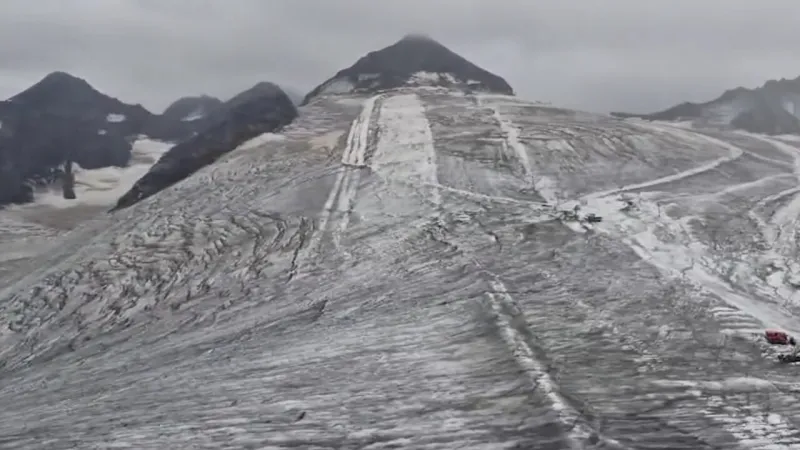
Stelvio, Italy — The iconic Stelvio Pass in the Italian Alps has abruptly suspended its summer skiing operations, effective immediately, citing critical safety concerns stemming from an unprecedented heatwave sweeping across Europe. The decision, announced by Sifas, the company managing the high-altitude ski area, effectively marks the premature end of the 2026 summer ski season at one of the continent's premier destinations, underscoring the severe impact of rising temperatures on glacial environments.
Sifas released a brief statement confirming the closure. "Suspension for safety reasons," the operator declared, alluding to the rapidly deteriorating conditions on the glacier. Experts indicate that prolonged periods of high temperatures accelerate glacial melt, creating dangerous crevasses, thinning ice, and increasing the risk of avalanches or rockfalls, which pose significant threats to skiers and personnel alike.
The closure of Stelvio is not an isolated incident but rather a stark symbol of a broader crisis facing European summer ski resorts. Across the continent, numerous high-altitude areas that traditionally offered year-round skiing have either already curtailed operations or are struggling with diminished snowpack and unsafe conditions. This trend signals a potential paradigm shift for the European winter sports industry, traditionally a vital economic engine for Alpine regions.
The economic repercussions for local communities dependent on ski tourism are considerable. Businesses ranging from hotels and restaurants to equipment rentals and guide services face unexpected losses. The summer ski season, though shorter than winter, provides crucial revenue, especially during peak holiday periods, and its abrupt cessation can ripple through the regional economy.
Climate scientists have consistently warned about the accelerating rate of glacial retreat in the Alps. The 2026 heatwave exacerbates an already precarious situation, with several successive years reporting record-high temperatures and diminished snowfall. Glaciers, vital freshwater reservoirs and key components of Alpine ecosystems, are shrinking at an alarming pace, a phenomenon directly linked to global climate change.
Stelvio Pass, famed for its breathtaking views and challenging slopes, has historically been a stronghold for summer skiing, attracting professional athletes and enthusiasts who seek high-altitude training grounds. Its uninterrupted operation for decades made it a benchmark for Alpine resilience, rendering this closure particularly poignant for the skiing community.
Other prominent European glaciers, such as those in France and Switzerland, have also witnessed similar pressures. While some have adapted by reducing skiable areas or shortening seasons, the complete suspension at Stelvio underscores the severity of the current conditions. Resorts are grappling with how to sustain their operations as climate patterns grow increasingly unpredictable.
The long-term implications for the tourism sector extend beyond skiing. Alpine regions are increasingly exploring alternative summer activities, such as hiking, mountain biking, and cultural tourism, to mitigate reliance on snow-dependent attractions. However, the unique allure of summer skiing remains a significant draw that is challenging to fully replace.
Environmental advocacy groups and governmental bodies have intensified calls for urgent action on climate change. Discussions around comprehensive climate policies, similar to debates seen across Europe concerning energy and environmental legislation, become even more critical when tangible economic and social impacts are observed firsthand in regions like the Alps.
The future of summer skiing in Europe appears increasingly uncertain. While Stelvio hopes to resume operations in future seasons, the frequency and intensity of heatwaves suggest that such suspensions could become more commonplace. This forces a re-evaluation of long-term investments and strategies for high-altitude tourism in the face of a rapidly changing climate.
This development serves as a powerful natural warning sign. Just as Italy's grape harvest shifts earlier due to warming temperatures, the challenges faced by ski resorts illustrate the pervasive reach of climate change across diverse sectors of the nation's economy and culture. The extreme weather events, including intense thunderstorms and lightning strikes that have claimed lives in the Italian mountains, further highlight the unpredictable and dangerous conditions now prevalent in these iconic landscapes.
The Alpine communities and the global skiing fraternity now face the daunting task of adapting to a new climatic reality, where the cherished tradition of summer skiing may increasingly become a relic of the past, rather than a reliable seasonal offering.