 Angela Stefani
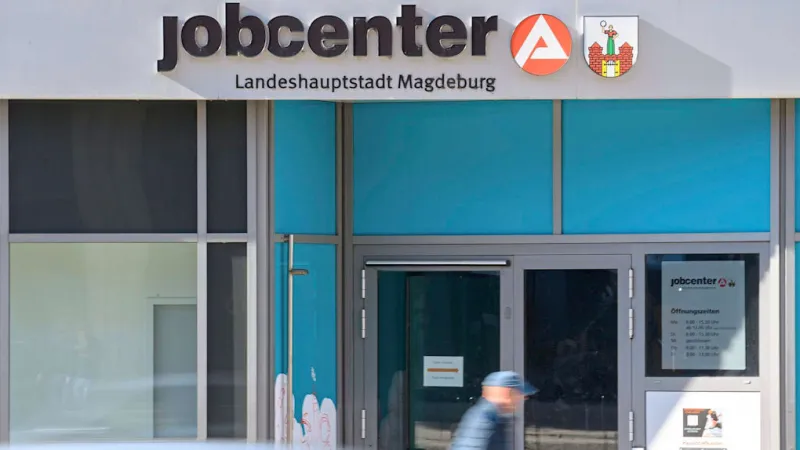
The Berlin-based German Federal Court of Auditors, known as the Bundesrechnungshof, has identified a substantial annual savings potential of approximately 450 million euros within the planned budget of the Federal Employment Agency, specifically impacting its Jobcenters. This significant finding emerged during the current parliamentary budget deliberations, intensifying scrutiny on public spending and efficiency.
The auditors presented their detailed assessment to lawmakers, highlighting areas where expenditures could be significantly reduced without compromising essential services. Their report underscores a persistent call for greater fiscal discipline across federal agencies.
Jobcenters are integral to Germany's social welfare system, responsible for administering unemployment benefits, providing vocational training, and facilitating the reintegration of job seekers into the labor market. They serve millions of citizens across the nation.
The Bundesrechnungshof, an independent body tasked with reviewing the financial management of federal entities, concluded that the Federal Employment Agency's proposed budget contained considerable inefficiencies. These inefficiencies, if addressed, could free up hundreds of millions of euros annually for other pressing public needs or deficit reduction.
The report did not specify individual spending categories targeted for reductions but generally pointed to administrative overhead, operational procedures, and potentially certain program expenditures. The auditors emphasize their role is to ensure economical use of taxpayer money.
This revelation comes at a time when Germany's budget process is under intense pressure, with political parties and the public debating the allocation of resources. The government faces a complex balancing act between social provisions, economic stimulus, and maintaining sound public finances.
Political reactions to the audit report are anticipated. Such findings often spark debates within the Bundestag, Germany's parliament, as parties vie to demonstrate their commitment to fiscal responsibility. The pressure on the Federal Employment Agency to respond with concrete measures is immediate.
Experts suggest that the identified savings could stem from optimizing internal processes, streamlining management structures, or reviewing procurement practices within the vast network of Jobcenters. The agency operates numerous facilities nationwide, each with its own administrative apparatus.
Historically, the Bundesrechnungshof has played a critical role in promoting accountability and transparency in German public administration. Its reports frequently lead to policy adjustments and reforms aimed at improving efficiency in various government sectors. This latest finding continues that tradition.
The implications of these potential savings extend beyond mere budgetary figures. A more efficient Federal Employment Agency could potentially reinvest freed-up funds into more effective job training programs or enhanced support services for the long-term unemployed, thereby strengthening the labor market.
While the Federal Employment Agency has not yet issued a formal, comprehensive response to the audit's specific figures, it typically emphasizes its commitment to efficient resource management and its vital role in social stability. However, the auditors' findings will necessitate a detailed explanation and a plan of action.
The political landscape in Germany, already grappling with shifting voter allegiances and economic uncertainties, will likely see this audit report used in broader discussions about governmental competence and financial oversight. Recent polls, such as one indicating Merz Leadership Challenged As Just 15% Trust CDU Revival, underscore public demand for effective governance.
The audit serves as a stark reminder of the ongoing need for vigilance in public spending, particularly in large administrative bodies. Taxpayer funds, the report implicitly argues, must be utilized with utmost prudence and demonstrable benefit to society.
This scrutiny of the Bundesagentur für Arbeit aligns with broader European trends towards greater fiscal austerity and transparency in public sector management. Nations across the continent are evaluating their social programs and administrative costs in a post-pandemic economic environment.
The findings from the Bundesrechnungshof are non-binding but carry significant moral and political weight, often prompting governmental action. Lawmakers are expected to incorporate these recommendations into their final budget decisions for the upcoming fiscal year.
The demand for enhanced efficiency in the Jobcenters aims not to cut essential services but to ensure that every euro spent yields maximum benefit. This principle is central to the auditors' core mission.