Demian Sahputra
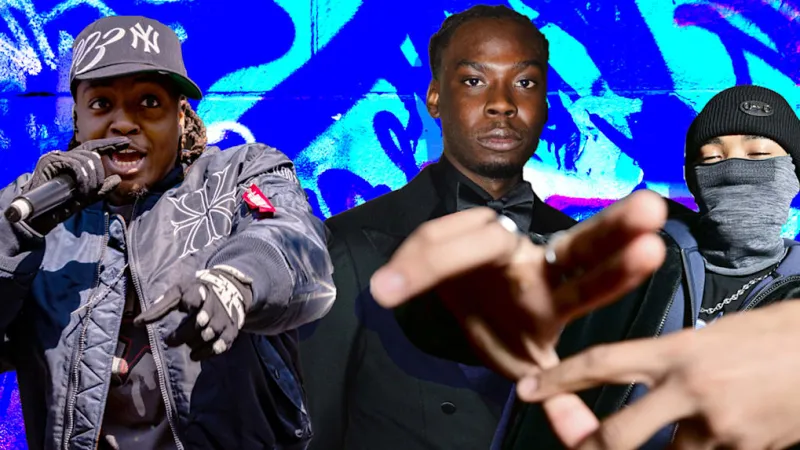
BERLIN – A dynamic new generation of Black German rappers is currently spearheading a profound revitalization of Deutschrap, injecting vital energy into a genre previously criticized for its stagnant, commercially driven output. This cultural resurgence, drawing significant inspiration from the raw authenticity of French banlieue youth, marks a pivotal moment for German hip-hop, redefining its sound and narrative.
For an extended period, the German rap scene had settled into a comfortable, albeit creatively barren, existence. Once a vibrant voice of urban youth, it largely devolved into formulaic tracks celebrating affluence and predictable themes, alienating a segment of its audience seeking depth and innovation. The perceived wealth and resulting complacency had, for many observers, rendered Deutschrap increasingly dull.
However, a dramatic shift is now underway, driven primarily by artists whose experiences and perspectives offer a stark contrast to the genre's recent past. These performers, many of whom are Black German, bring a raw, unfiltered sensibility that resonates deeply with a diverse, burgeoning fanbase. They are dismantling the established norms and carving out new sonic and lyrical territories.
A significant aspect of this renaissance involves a pronounced orientation toward the burgeoning hip-hop scenes found in French banlieues. Artists from these French urban peripheries have long been celebrated for their gritty realism, complex storytelling, and innovative production, traits that have inspired their German counterparts to look beyond conventional local influences.
This adoption is not merely imitative; rather, it is a creative synthesis. The new wave of Deutschrap integrates French stylistic elements – particularly in flow, beat selection, and thematic directness – while infusing them with distinctly German socio-cultural nuances. This blend creates a unique hybrid that feels both globally connected and intrinsically rooted in German identity.
The thematic landscape of this revitalized Deutschrap explores topics largely overlooked during the genre's period of stagnation. Identity, systemic challenges, social commentary, and personal narratives of resilience replace superficial boasts, providing a much-needed depth and intellectual vigor. This authenticity strikes a chord with listeners eager for music that reflects their lived experiences.
Industry experts and cultural critics are closely monitoring this seismic shift. Major labels are reportedly re-evaluating their artist rosters, keen to capture the momentum generated by these rising stars. The movement signifies not just a change in musical preference but a broader cultural recalibration, challenging preconceptions within mainstream German media.
Historically, Deutschrap has experienced cycles of innovation and commercialization. From its underground roots in the late 1980s and early 1990s to its mainstream explosion, the genre has continually evolved. This current phase, however, feels distinct due to its explicit embrace of diverse cultural identities and its bold departure from previous commercial templates.
Unlike earlier eras where artists often sanitized their narratives for broader appeal, this new generation prioritizes unvarnished truth. Their music serves as a potent vehicle for self-expression and community dialogue, offering insights into multicultural life in Germany, often from perspectives that have been historically underrepresented.
The audience reception has been overwhelmingly positive, with streaming figures and concert attendance reflecting a significant surge in interest. This enthusiastic embrace by fans underscores a collective longing for music that possesses genuine artistic merit and speaks to contemporary social realities, moving beyond superficial entertainment.
This profound cultural injection suggests a sustainable trajectory for Deutschrap, provided the artists can maintain their creative independence amid growing commercial attention. The challenge will lie in balancing mainstream success with the foundational authenticity that ignited this powerful revival.
Ultimately, the emergence of these Black German artists represents more than just a musical trend; it signifies a powerful cultural declaration. Deutschrap is not only undergoing a creative resurgence but is also asserting a more diverse, inclusive, and globally aware identity, firmly positioning itself at the forefront of contemporary German cultural discourse.