 Angela Stefani
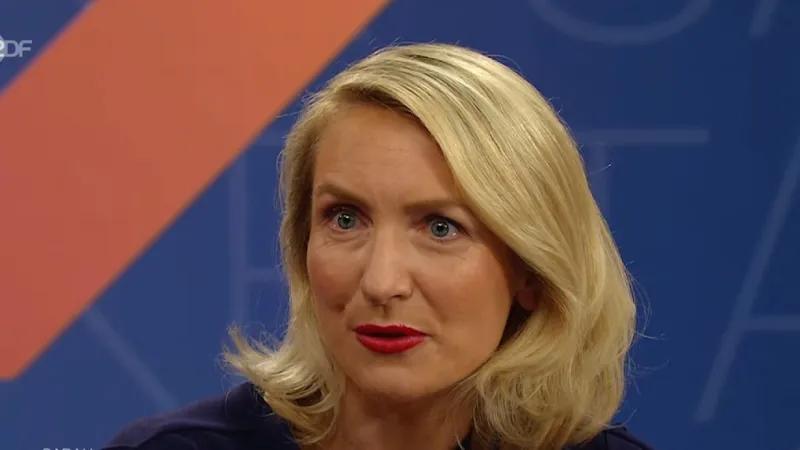
BERLIN – Germany's proposed pension reform has ignited a fiery debate, with Left Party Chairwoman Janine Schwerdtner vehemently criticizing the plan during an appearance on the "Sarah Tacke" program. Schwerdtner asserted that elements of the new pension concept represent "the wet dream of BlackRock managers" and disproportionately benefit "Merz’ rich friends," referring to Christian Democrat leader Friedrich Merz.
The contentious remarks underscore a widening chasm in the German political landscape regarding economic policy and social welfare. Schwerdtner's strong condemnation positions the Left Party as a vocal opponent to a reform package she argues is designed to serve financial interests rather than the broader public good.
The core of the dispute revolves around a new pension framework currently under consideration by the German government. While specific details of the reform were not fully elaborated in the initial report, Schwerdtner's statement implies a shift towards investment-based or privately managed components within the traditionally solidarity-funded German pension system.
Her pointed reference to BlackRock, one of the world's largest asset managers, suggests a concern that the reform could open avenues for large financial institutions to profit from mandatory pension contributions, potentially at the expense of pensioners' security or public funds. BlackRock has a significant presence in global financial markets, including substantial investments in Germany.
Furthermore, the accusation that the reform benefits "Merz’ rich friends" directly challenges the perceived impartiality of the legislative process. Friedrich Merz, known for his background in corporate law and finance, has often been associated with business-friendly policies. Schwerdtner’s comment insinuates a conflict of interest or undue influence from wealthy donors and affiliates connected to the CDU leader.
This critique comes at a time when discussions surrounding Germany's long-term financial stability and demographic challenges are paramount. The nation faces an aging population, placing increasing strain on its existing pay-as-you-go pension system, which relies on current workers' contributions to fund current retirees' pensions.
Proponents of reform often argue that modernization is necessary to ensure the system's sustainability for future generations. They advocate for diversified investment strategies, potentially including capital market components, to supplement or partially replace traditional funding methods. These arguments, however, frequently clash with concerns about market volatility and the equitable distribution of risk and reward.
Schwerdtner's intervention highlights the deep ideological divide over how best to secure retirement for all Germans. The Left Party consistently champions robust public welfare systems and criticizes policies that they believe privatize social provisions or exacerbate wealth inequality. The party views such reforms through the lens of protecting the most vulnerable in society.
The German public is increasingly attentive to these debates, especially as economic anxieties persist. Recent data, for instance, has shown fluctuating economic indicators across Europe, impacting cost of living and financial planning for many households. The perceived fairness of any pension reform is likely to be a significant factor in its public acceptance.
As the legislative process continues, the government will undoubtedly face pressure to address these criticisms directly. Transparency regarding the beneficiaries and potential risks of the proposed pension system will be crucial for maintaining public trust and fostering consensus across political divides. The controversy stirred by Chairwoman Schwerdtner ensures the pension reform remains a hotly contested issue on the national agenda.
The debate around pension reform in Germany is not isolated, but rather reflects broader European trends where nations grapple with similar demographic and economic pressures. The choices made today will have profound implications for millions of retirees for decades to come, shaping the social contract between generations and the role of the state in providing financial security.
The Left Party's stance against what it perceives as the encroachment of private financial interests into public welfare systems resonates with its core principles. They advocate for a system that prioritizes social solidarity over market mechanisms, ensuring that everyone, regardless of their financial background, can look forward to a dignified retirement.
The current government, which includes various coalition partners, must navigate these complex ideological differences while attempting to forge a viable and sustainable path forward for Germany's pension system. The ultimate shape of the reform will reflect a delicate balance of economic necessity, political compromise, and public sentiment.