 Chandra Wijayanto
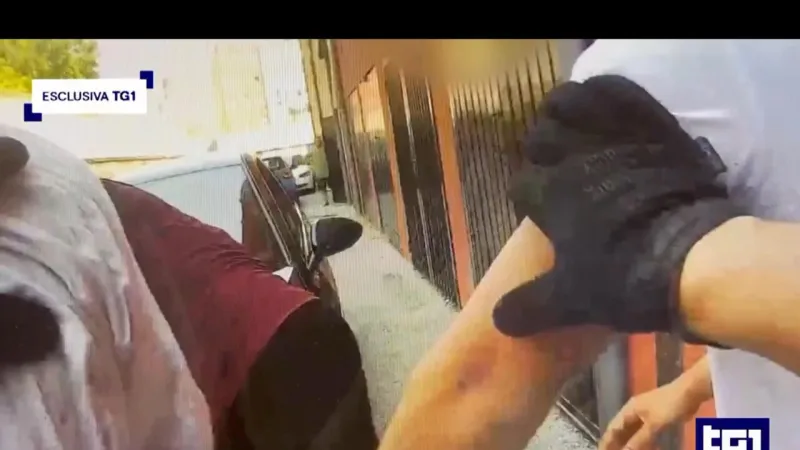
Bologna, Italy – Fresh bodycam footage, recently broadcast by the national news program Tg1, has brought to light a pivotal moment involving an individual identified as Fakir. The video explicitly shows what has been described as a “contact between Fakir and another person” immediately preceding a police intervention. This visual evidence comes as legal representatives for the involved police officers assert the undeniable necessity of their subsequent actions.
The newly surfaced recording provides an intimate, first-person perspective from an officer's body-worn camera, offering critical insight into the initial stages of a confrontation that led to law enforcement involvement. The specific nature and context of this “contact” are now central to ongoing discussions surrounding the incident, providing a clearer sequential narrative than previously available.
Legal counsel for the officers involved firmly articulated their position following the video’s public dissemination. “At that point they had to intervene,” stated the police lawyers, indicating that the observed interaction between Fakir and another individual left their clients with no viable alternative but to take immediate action to manage the situation.
The deployment of body-worn cameras has become an increasingly integral aspect of modern policing, aimed at enhancing transparency and providing objective evidence in encounters between law enforcement and the public. This footage from Bologna exemplifies the profound impact such recordings can have in shaping both public perception and the trajectory of legal inquiries.
Observers and legal analysts have often highlighted how bodycam evidence can either corroborate or challenge existing accounts, offering an unvarnished view of events as they unfold. The release of this particular video is expected to significantly influence the narrative surrounding the Fakir incident, offering a concrete visual record for evaluation.
While the specifics of the broader incident remain under careful review, prior reports have sometimes alluded to the conditions leading up to police involvement. Related articles, such as those detailing New Videos Detail Fakir's Pre-Intervention Confusion on Street, have previously addressed aspects of Fakir's behavior. This new bodycam footage now adds another layer of authenticated visual data.
The scrutiny that accompanies such video evidence often sparks extensive public debate concerning police tactics, proportionality of force, and the rights of individuals. In an era demanding greater accountability from public institutions, these recordings serve as powerful instruments for oversight.
For the legal teams representing both Fakir and the police officers, the bodycam video will undoubtedly form a cornerstone of their respective arguments. It provides a tangible piece of evidence that can be analyzed frame-by-frame, potentially clarifying ambiguities or establishing crucial timelines.
The incident in Bologna underscores the evolving landscape of judicial evidence, where digital recordings increasingly play a decisive role in shaping case outcomes and influencing public trust. The detailed examination of this footage by judicial authorities will be paramount in determining the ultimate legal ramifications.
As the investigation progresses, all parties involved will likely focus on interpreting the nuances of the bodycam recording, alongside other gathered evidence. The clarity or ambiguity presented by the visual data will be critical in advancing understanding of the events that prompted police action in the Italian city.
This development aligns with a global trend where police departments are adopting advanced technologies to ensure greater transparency and factual accuracy in documenting incidents. The Bologna case reinforces the critical evidentiary value of such devices.
The release of the bodycam video on Tg1 further emphasizes the media's role in disseminating crucial information to the public, fostering informed discussions on complex legal and ethical dilemmas involving law enforcement. The public awaits further details as the legal process unfolds.