 Angel Doris
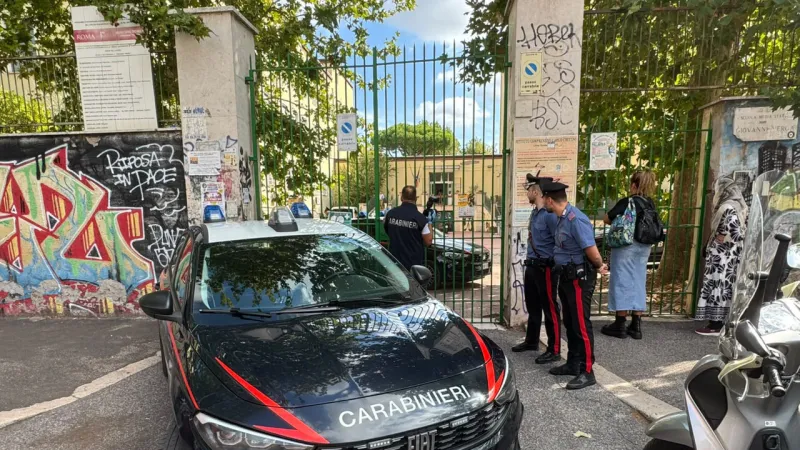
ROME – A disturbing video, filmed and circulated by a 13-year-old student, depicting the physical aggression of a teacher, has ignited a fervent national debate across Italy regarding school safety and youth conduct. The footage, first brought to public attention by the prominent newspaper *Il Messaggero*, captures a distressing incident that underscores growing concerns within the countrys educational system.
The incident, which reportedly occurred recently, shows a student confronting and physically assaulting an educator, while other students are believed to have been present. The recording of the altercation, complete with the teenagers own commentary, quickly permeated social media channels, drawing widespread condemnation from parents, educators, and public officials alike.
Authorities have initiated an investigation into the circumstances surrounding the aggression and the dissemination of the video. The identity of the student and the teacher involved has been protected, though the severity of the act and its public nature have prompted calls for decisive action to deter similar incidents in the future.
Educators across Italy expressed profound shock and solidarity with their colleague. Unions representing teachers highlighted the increasingly challenging environment within some schools, where instances of student aggression and disrespect are perceived to be on the rise.
This event casts a harsh spotlight on the broader issue of student behavior and the influence of digital platforms. The students alleged instruction to peers to “watch the news later” suggests a deliberate intent to gain notoriety or attention through the viral circulation of the aggression.
Sociologists and child psychologists are weighing in, pointing to a complex interplay of factors contributing to such acts of teen aggression. These include familial dynamics, exposure to violence in media, mental health challenges, and the pervasive pressure to perform for an online audience.
The Ministry of Education has indicated it is closely monitoring the situation, signaling a potential review of existing disciplinary protocols and support mechanisms for both students and staff. There is an urgent demand for comprehensive strategies that address not only punitive measures but also preventative programs focusing on empathy and respect.
This incident unfortunately echoes other troubling reports of violence within Italian schools. Just months prior, a separate case involving a Rome Professor Stabbing stirred similar anxieties about student aggression and the security of educators, with a teenagers digital footprint becoming a key part of the investigation.
The widespread visibility of the video has propelled the discussion beyond educational institutions into the national discourse. Citizens are questioning the role of parental supervision, the effectiveness of school authority, and the societal values being transmitted to younger generations.
Parental associations have called for greater collaboration between families and schools to instill discipline and respect. They emphasize the need for a united front to combat the erosion of authority and the normalization of aggressive behavior among youth.
As the investigation continues, the focus remains on ensuring justice for the victim and implementing measures that safeguard the well-being of all members of the school community. The incident serves as a stark reminder of the challenges confronting modern education and the imperative to foster environments conducive to learning and mutual respect.
Many advocate for enhanced psychological support services within schools, not only for students exhibiting behavioral issues but also for teachers grappling with the emotional toll of such encounters. The long-term impact on the affected educator is a significant concern for professional organizations.
The incident also prompts a critical examination of how digital platforms inadvertently amplify acts of aggression. The ease with which such footage can be shared and consumed raises ethical questions about responsibility for content moderation and the potential for glorifying destructive behavior.
While the immediate focus is on this particular act of violence, the underlying issues of youth disengagement and the quest for digital validation demand broader societal introspection. The call for reflection extends to how communities can better support their youth in navigating the complexities of adolescence in an increasingly connected world.
The footage, though disturbing, may serve as a catalyst for overdue reforms and a renewed commitment to upholding the sanctity of the classroom. Stakeholders hope that this public outrage translates into concrete policy changes that protect educators and nurture a more respectful learning environment.