Gabriella
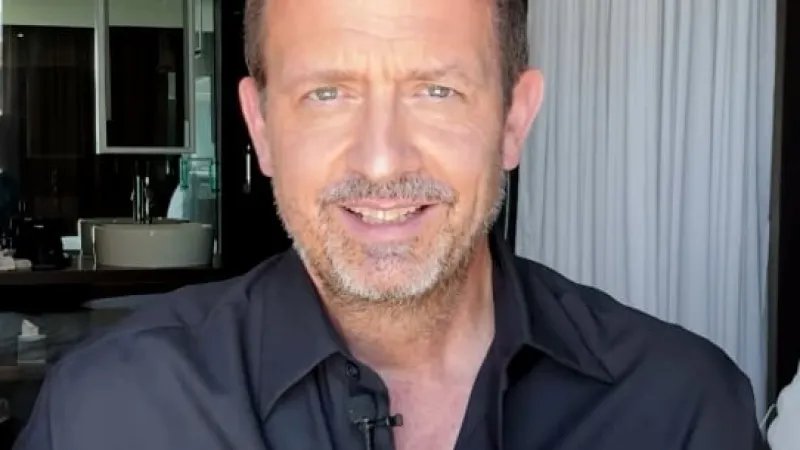
Celebrated German jazz musician Till Brönner recently ignited a nationwide discussion by offering a candid, simplified explanation of his personal tax burden, arguing that public discourse disproportionately focuses on wealth redistribution rather than the fundamental process of wealth creation. His direct challenge, delivered through a compelling analogy, resonates with growing concerns over economic policy direction and its implications for individual incentive across Germany.
Brönner, known globally for his musical artistry, articulated his viewpoint by stating, "Without an oven, there is no cake," metaphorically asserting that production must precede division. This powerful idiom underscored his contention that excessive emphasis on how wealth is divided risks overlooking the essential mechanisms and efforts required to generate it in the first place.
The artist expressed a sentiment shared by many entrepreneurs and high earners: that the public and political conversation frequently veers into intricate debates about who gets what slice of the economic pie, without sufficient acknowledgment of the individuals and enterprises baking that pie. He suggested this imbalance could stifle economic dynamism.
Highlighting the potential repercussions of such an economic climate, Brönner warned that individuals might eventually "vote with their feet." This phrase implies a scenario where productive citizens, feeling overburdened or undervalued, choose to leave for environments more conducive to their economic activities and personal prosperity.
His remarks arrive amidst a broader European context where nations grapple with the complexities of fiscal policy, social welfare, and economic competitiveness. Public figures articulating concerns about taxation and its impact on innovation often tap into a reservoir of public sentiment, particularly among those who feel the brunt of high tax rates.
While Brönner did not divulge exact figures, his simple tax calculation presumably illustrated a significant portion of his income being appropriated by various taxes and levies. This direct presentation aimed to demystify the often opaque world of personal finance and government revenue.
Proponents of robust redistribution policies typically argue that such measures are vital for social cohesion, reducing inequality, and funding essential public services like healthcare, education, and infrastructure. They contend that a progressive tax system ensures those with greater capacity contribute more to the collective good.
Economists frequently debate the optimal balance between taxation for public services and maintaining incentives for economic growth. High marginal tax rates, critics argue, can disincentivize investment, risk-taking, and entrepreneurship, potentially leading to slower overall economic expansion.
For artists like Brönner, whose income streams can be volatile and subject to international taxation regimes, the perception of an overly burdensome domestic tax structure can be particularly salient. Creative industries often rely on mobility and the freedom to operate in various markets, making tax competitiveness a critical factor.
The discussion initiated by Brönner also unfolds against a backdrop of ongoing economic challenges in Germany. Industries have recently contended with supply chain disruptions and significant infrastructural strains, impacting the nation's productive capacity. For example, a recent period saw Rhine's historic lows cripple industry, German rail overwhelmed, underscoring the delicate balance of economic factors.
Governments, on the other hand, face the persistent challenge of balancing budgetary needs with the desire to foster a competitive economic environment. Striking this equilibrium involves intricate policy decisions that impact every segment of society.
Brönner's comments contribute to a perennial philosophical debate: what is the fundamental purpose of an economy? Is it primarily a mechanism for wealth generation, or is its ultimate goal the equitable distribution of resources and opportunities? Most modern economies attempt to achieve both, though the emphasis often shifts.
The jazz icon's commentary has reportedly struck a nerve, sparking considerable public and media debate. This reaction indicates a widespread concern about tax policy and its perceived fairness and impact on individual motivation and national prosperity.
As Germany and other developed nations navigate an increasingly complex global economy, discussions like Brönner's highlight the urgent need for transparent and effective communication regarding fiscal policies. The long-term implications for economic dynamism and social cohesion hinge on finding sustainable solutions.
Ultimately, the challenge for policymakers remains to cultivate an environment that both encourages wealth creation and ensures a just society, preventing a scenario where productive citizens feel compelled to seek opportunities elsewhere.