 Edward DP Situmorang

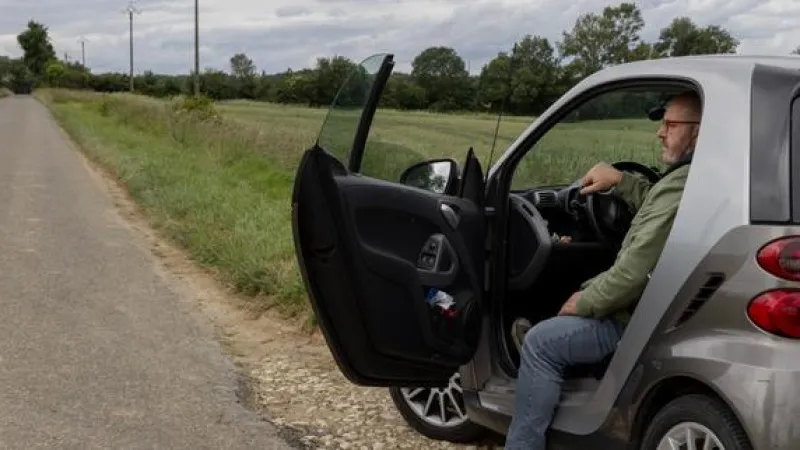
KYIV, Ukraine – Andriy, a 27-year-old decorated Ukrainian soldier once hailed as a war hero, has made the difficult decision to desert the army, citing profound exhaustion and an inability to continue fighting. His personal struggle mirrors a broader, troubling trend: approximately 200,000 Ukrainian soldiers have unauthorizedly left their posts since the start of the conflict, a figure spotlighted by a recent report from WELT-Reporter Max Hermes, who met Andriy in Ukraine.
The revelation of Andriy's plight offers a stark human perspective on the immense psychological toll exacted by prolonged combat. His story brings to light the hidden struggles of many Ukrainian soldiers who, despite initial patriotic fervor, confront the brutal realities of war far from public view.
Prior to his desertion, Andriy distinguished himself on the battlefield, earning accolades for his bravery and strategic acumen. Details of his commendations remain under wraps for security reasons, but sources close to the situation confirm his reputation as an exemplary serviceman.
Over time, the relentless pressure of trench warfare, the constant threat of injury or death, and the emotional burden of witnessing unimaginable suffering eroded his resolve. Andriy conveyed to Hermes a deep sense of burnout, describing a mental and physical depletion that left him incapable of continuing his duties.
The sheer scale of desertions – 200,000 individuals – represents a significant challenge to Ukraine's military leadership and its ongoing defense against aggression. This statistic underscores potential issues with troop morale, mental health support, and the sustainability of deployment cycles for Ukrainian soldiers.
Military analysts suggest that such large numbers could strain recruitment efforts and necessitate a re-evaluation of support mechanisms for frontline personnel. The ability to maintain troop strength and combat effectiveness hinges not only on new recruits but also on retaining experienced soldiers.
Experts in military psychology emphasize that burnout is a recognized phenomenon among combatants, often leading to post-traumatic stress disorder, moral injury, and, in severe cases, desertion. Providing adequate psychological aid is crucial for mitigating these outcomes and supporting dedicated Ukrainian soldiers.
Andriy's decision was not made lightly. He reportedly grappled with immense guilt and fear of legal repercussions, yet felt compelled to prioritize his rapidly deteriorating mental well-being. His narrative offers a window into the agonizing choices faced by those on the front lines.
The Ukrainian government has implemented various measures to address desertion, including stricter penalties and initiatives aimed at improving soldier welfare. However, the continuing high numbers suggest these efforts may not fully mitigate the underlying causes of widespread exhaustion.
The story of Andriy and the thousands like him serves as a poignant reminder that while physical battles dominate headlines, the invisible war waged within the minds of soldiers demands equal attention and understanding from both military command and the international community.