 Dorry Archiles
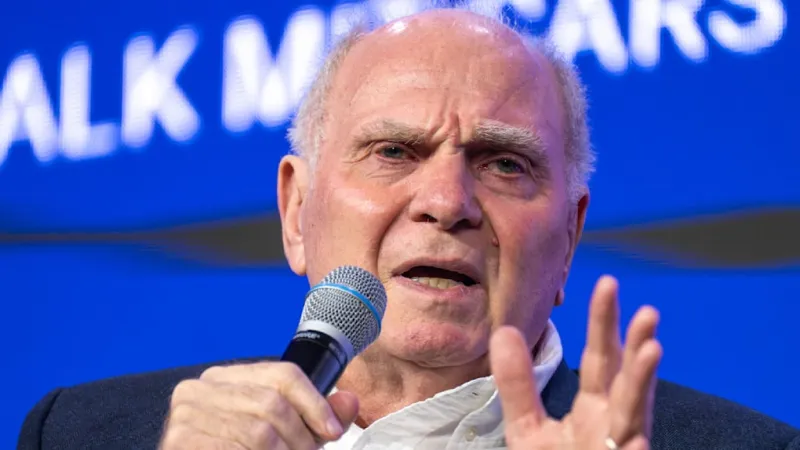
GERMANY – Uli Hoeness, the revered Honorary President of FC Bayern München, has ignited a fresh debate within German football, publicly expressing his disapproval of the German Football Association (DFB) for engaging Marc Kosicke, the prominent agent of Jurgen Klopp, in a new capacity. Hoeness also issued a stark warning against what he perceives as a burgeoning and potentially unrealistic hype surrounding the highly sought-after manager, Jurgen Klopp.
Hoeness, known for his forthright opinions and significant influence in German football circles, stated unequivocally, “I think that's wrong,” in reference to Kosicke's new power role within the DFB. This direct criticism underscores a deeper concern about the direction and strategic decisions being made by the national governing body.
Marc Kosicke has long been recognized as a key figure in Jurgen Klopp's career, meticulously managing his affairs and navigating him through successful stints at Borussia Dortmund and Liverpool FC. His reported integration into the DFB structure suggests a potential strategic move by the association, perhaps aiming to foster closer ties with the highly acclaimed coach.
The DFB's apparent strategy, which some interpret as a precursor to potentially enticing Klopp to manage the German national team, has drawn scrutiny. Hoeness's comments highlight the complex interplay of personalities and power within the sport's administration, particularly when it involves figures of Klopp's stature.
Klopp, who recently announced his departure from Liverpool, has been a subject of intense speculation regarding his future. Many German football enthusiasts harbor hopes of seeing him take the helm of the national squad, a prospect Hoeness now warns against approaching with unbridled optimism.
Hoeness emphasized that the current fervor surrounding Klopp could lead to unrealistic expectations, potentially creating undue pressure on any future role Klopp might assume, whether with the national team or elsewhere. His caution serves as a reminder of the transient nature of sporting success and the pitfalls of premature celebration.
The former Bayern Munich president and general manager has consistently been a vocal commentator on footballing matters, his opinions carrying considerable weight due to his decades of experience and numerous accolades. His intervention now signals a significant point of contention regarding the DFB's internal operations and external affiliations.
The criticism also brings into focus the broader question of agent influence in national football associations. The increasing power of player and coach representatives has been a recurring theme in global football, and Hoeness's remarks add a prominent German voice to this ongoing discussion.
For the DFB, navigating such high-profile criticism from a figure like Hoeness presents a challenge. The association has been striving to maintain stability and project a unified front, particularly in the wake of recent managerial changes and performance fluctuations for the national team.
Hoeness's public statement reflects a sentiment that football governance should prioritize transparency and avoid arrangements that might be perceived as favoring specific individuals or their representatives. It implicitly calls for a re-evaluation of how such strategic hires are made and communicated to the broader football community.
The debate surrounding Kosicke's role and the Klopp hype is likely to continue dominating headlines, underscoring the intense scrutiny under which the German Football Association operates. It is a testament to the passionate nature of German football and the enduring influence of its veteran figures like Uli Hoeness.