 Dodi Irawan
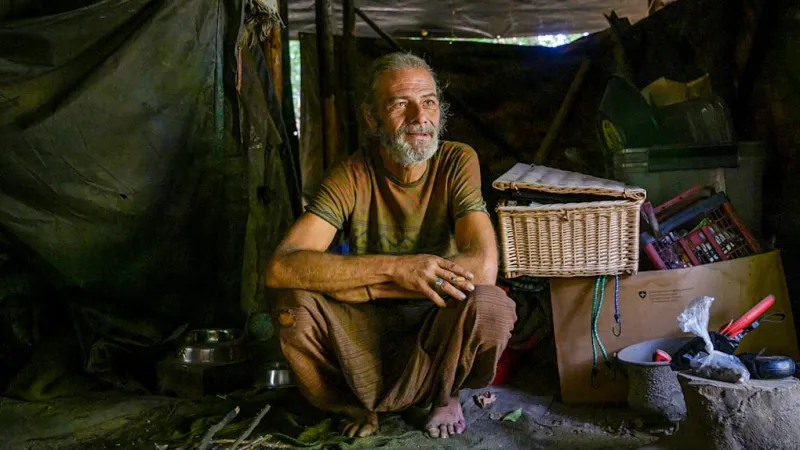
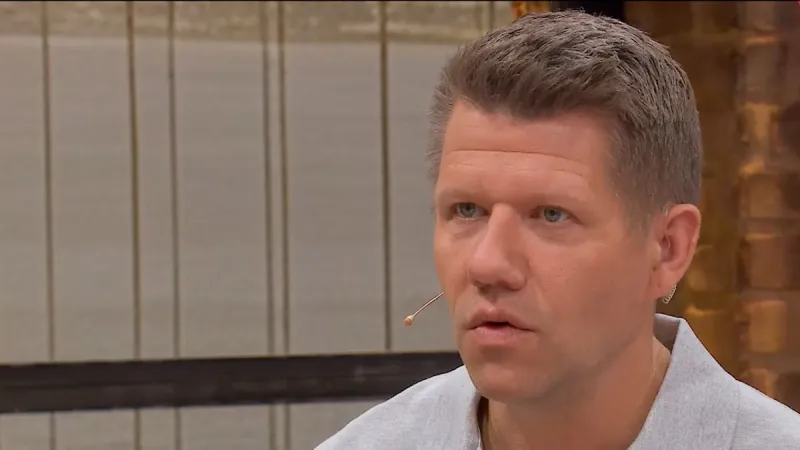
A man known simply as Chrütli has profoundly redefined his existence over the past 15 years, carving out a unique off-grid life deep within a forest after a debilitating experience with burnout. Eschewing the societal mainstays of rent, taxes, and permanent structures, he has meticulously constructed a personal system that prioritizes autonomy and simplicity over modern complexities.
His journey into the wilderness was not born of youthful idealism but from the stark reality of severe burnout. The pervasive pressures of contemporary life, with its endless obligations and demands, eventually led him to a breaking point. It was a crisis that compelled a radical reevaluation of his priorities and his place in the world, culminating in the decisive act of abandoning his former life.
The transition to living in the forest was gradual yet deliberate. Initially, the challenges were immense, demanding an immediate mastery of survival skills and an intimate understanding of his new environment. He learned to adapt to the elements, source necessities, and build shelter with minimal resources, shedding the comforts that most take for granted.
Today, Chrütlis dwelling is far removed from any conventional home. It features no fixed walls or traditional utilities, embodying his philosophy of minimal imposition on the natural landscape. His shelter is a testament to resourcefulness, crafted from found materials and designed to blend seamlessly with the forest canopy, offering protection without permanence.
Central to his new existence is the complete absence of financial burdens like rent or property taxes. This liberation from monetary obligations forms the bedrock of his self-created system, allowing him to live without the constant pressure to earn income for basic necessities. This financial independence granted him a freedom he found unattainable within conventional society.
A typical day for Chrütli revolves around the rhythms of nature. His activities are guided by sunlight and the seasons, focusing on sustenance, maintenance of his living space, and observation of the surrounding ecosystem. This deliberate pace stands in stark contrast to the relentless schedules that once defined his urban life.
His philosophical stance is one of profound rejection of consumerism and materialism. Chrütli lives by a strict code of self-sufficiency and detachment from the endless cycle of acquiring and consuming. He believes modern society fosters an insatiable desire for more, which ultimately detaches individuals from their true needs and well-being.
The mental and emotional benefits of his chosen lifestyle are evident. The quiet solitude and constant engagement with nature have provided a profound sense of peace and a stable environment conducive to his recovery from burnout. He describes a clarity of thought and a reduction in stress that he could not achieve in his former life.
His connection to the natural world is not merely residential but deeply intrinsic. He has become an integral part of the forest, observing its intricate cycles, respecting its inhabitants, and living in harmony with its delicate balance. This symbiotic relationship provides not only physical sustenance but also spiritual nourishment.
While largely self-contained, Chrütli occasionally interacts with the outside world on his own terms. These interactions are minimal and typically transactional, focused on acquiring specific items not available through foraging or crafting. He maintains a guarded distance, preferring the tranquility of his chosen abode.
Maintaining an off-grid existence for 15 years requires unwavering discipline and foresight. Chrütli has developed a sophisticated understanding of sustainable living, ensuring his impact on the forest is minimal while securing his long-term viability. His methods include careful waste management and prudent resource utilization.
His story resonates with a growing societal interest in alternative lifestyles and a reevaluation of modern priorities. As discussions around environmental sustainability and mental health intensify, figures like Chrütli offer a compelling, albeit extreme, example of intentional living and the pursuit of a simpler, more authentic existence.
However, Chrütli readily acknowledges the inherent challenges. Exposure to harsh weather, the constant effort required for basic survival, and the profound isolation demand resilience. It is a life not suited for everyone, requiring a deep commitment to self-reliance and an acceptance of significant personal sacrifices.
His self-created system is a stark contrast to the intricate web of societal expectations and economic dependencies he abandoned. It is a testament to an individuals capacity to forge an entirely new paradigm for living when the conventional path proves unsustainable for personal well-being.
Chrütlis fifteen years in the forest serve as a powerful narrative about personal transformation and the human spirits capacity to adapt and thrive outside prescribed norms. It is a compelling exploration of what happens when one dares to build a life dictated not by societal pressure, but by an unwavering commitment to inner peace and independence.