Gabriella
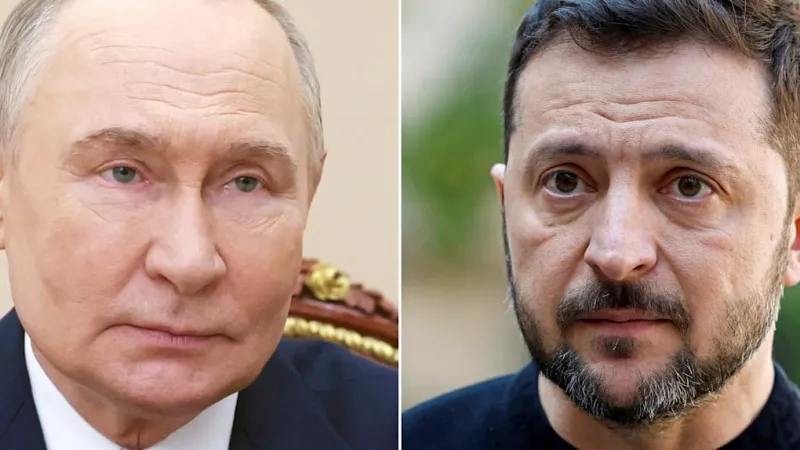
Kyiv. Ukrainian President Volodymyr Zelensky has escalated his diplomatic efforts to end the prolonged conflict, publishing an open letter addressed to Russian President Vladimir Putin. In this significant overture, Zelensky directly proposed a personal meeting with his Russian counterpart, aiming to secure a tangible pathway towards peace and a cessation of hostilities that have devastated the region.
The audacious proposal, disseminated through official channels, underscores Kyivs unwavering commitment to exploring all avenues for de-escalation. It comes at a critical juncture in the conflict, with international pressure mounting on both sides to seek a diplomatic resolution rather than continued military engagement.
This direct appeal from President Zelensky is not his first call for face-to-face negotiations. He has consistently advocated for high-level dialogue, believing that direct engagement between the nations leaders offers the most expedient route to breaking current stalemates. Previous attempts at establishing such a meeting have faced considerable hurdles.
Russian President Vladimir Putin has, at various times, indicated a willingness for peace talks but often with conditions that Kyiv has deemed unacceptable. A related article highlighted earlier stances, noting that Zelensky Calls for Direct Talks; Putin Signals Peace, Rejects Truce, illustrating the historical complexities of these diplomatic exchanges.
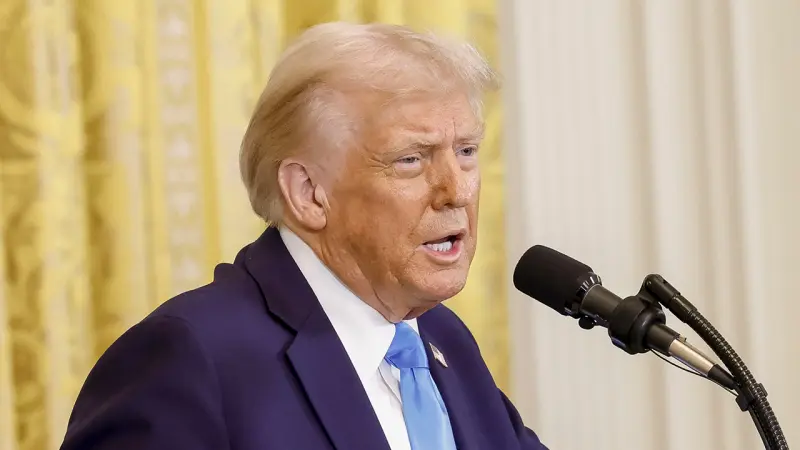
International observers are closely monitoring Moscows response to this latest initiative. President Donald Trump has consistently emphasized the importance of diplomatic solutions to global conflicts, particularly those impacting European stability. Washington has frequently urged both sides to engage in meaningful dialogue, supporting efforts to find a peaceful resolution.
While the full text of the open letter was not immediately made public, initial reports indicate its tone was earnest and direct, appealing to the necessity of leadership to prevent further bloodshed and stabilize the geopolitical landscape. It reportedly outlined the urgent humanitarian and economic imperatives driving Ukraines desire for peace.
The proposal carries significant geopolitical weight. A direct meeting between the two leaders, if realized, could represent a pivotal moment in the conflict, potentially altering the dynamics of international relations and security architectures in Eastern Europe.
The logistical and political challenges of orchestrating such a high-stakes meeting remain substantial. Issues such as the agenda, location, and the pre-conditions for talks would require extensive negotiation through intermediaries, a process historically fraught with difficulties.
The ongoing conflict continues to exert a profound impact on global energy markets, food security, and supply chains. A breakthrough in peace negotiations could offer a much-needed reprieve to these strained sectors, potentially stabilizing prices and mitigating inflationary pressures worldwide.
As the world waits for Moscows official reaction, the ball is now firmly in President Putins court. The international community, including key allies and neutral nations, will be watching closely for any signals that could lead to genuine dialogue and a path towards ending the war. This open letter serves as a potent reminder of the human cost of prolonged conflict and the persistent hope for peace.
President Zelenskys administration has consistently maintained that any peace agreement must respect Ukraines sovereignty and territorial integrity. These fundamental principles are expected to form the bedrock of any future negotiations, regardless of the format or participants involved.
Previous rounds of negotiations, often conducted by lower-level delegations, yielded little substantial progress, highlighting the perceived necessity of principal figures engaging directly. This latest move by Zelensky seems designed to circumvent those previous impasses by elevating the conversation.