Robert Andrison
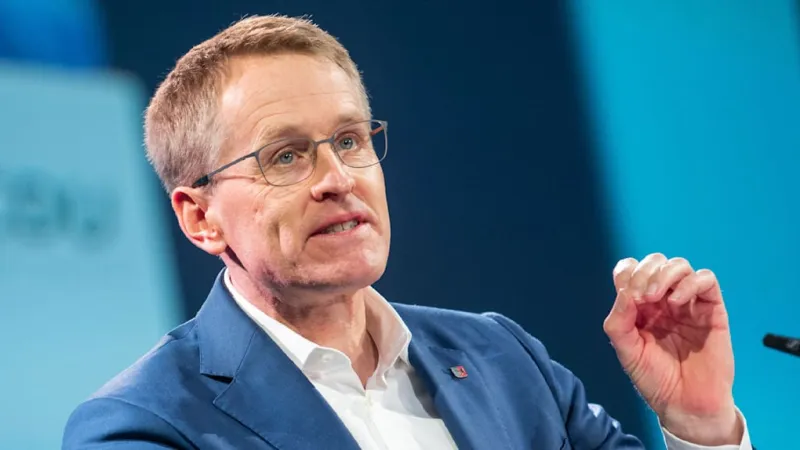
Germany – The Bundeskanzler presented an unconvincing image at the North Christian Democratic Union (CDU) state party conference, delivering an appearance marked by noticeable uncertainty. Amid a critical debate surrounding a long-promised electricity tax cut, it was the conference host who provided the sole unequivocal statement, drawing a stark contrast to the national leader's hesitant address.
The Chancellor's demeanor throughout the proceedings struck many observers as notably circumspect, lacking the characteristic decisiveness expected from the nation's top executive. Political analysts quickly noted a departure from the confident rhetoric often associated with high-profile party gatherings, sparking speculation about potential underlying pressures or internal government divisions.
At the heart of the discussion was the much-anticipated electricity tax cut, a measure widely viewed as crucial for alleviating the financial burden on German households and businesses grappling with persistently high energy costs. The promise of such a reduction has been a significant point of public and political discourse, with citizens eager for tangible relief.
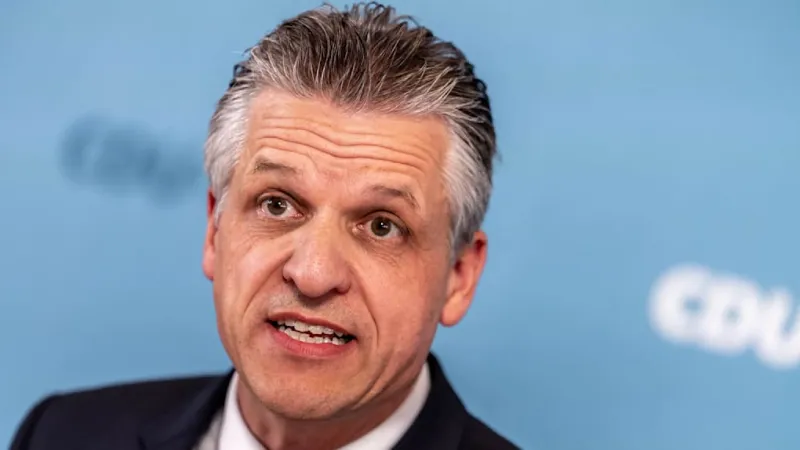
In a moment that underscored the day's political tension, the host of the North CDU conference delivered a firm declaration, stating directly: "Wir wollen, dass die Stromsteuersenkung jetzt kommt. Das haben wir versprochen." (We want the electricity tax cut to come now. We promised that.) This unequivocal demand stood out against the Chancellor's more ambiguous remarks, amplifying the pressure on the ruling coalition.
The public expectation for this tax reduction has intensified, particularly as the broader European economy navigates inflationary pressures and geopolitical uncertainties. Consumers in Germany, like many across the continent, have faced escalating costs for essential services, including energy, making the promised cut a vital point of contention.
Observers suggested that the Chancellor's uncertain posture might reflect deeper challenges within the federal government, potentially indicating difficulties in reaching consensus on economic policy or a struggle to balance competing fiscal priorities. Such appearances can erode public confidence and complicate future legislative efforts.
The CDU, while hosting the event, operates as a significant opposition force nationally, making the critique inherent in the host's clear statement particularly potent. Their push for immediate action on the electricity tax cut highlights a strategic effort to differentiate themselves and capitalize on perceived government hesitancy.
Discussions surrounding fiscal policy in Germany are not isolated. Across Europe, leaders are wrestling with similar challenges, balancing economic stimulus with budgetary discipline. For instance, recent reports have highlighted how consumer costs are rising, as seen in Decoding Internet Bills: the 25-Year Price Surge Revealed, illustrating the broader context of household financial strain.
The promised electricity tax cut is seen by many as a litmus test for the government's ability to deliver on economic pledges and respond effectively to the everyday concerns of its citizens. Failure to implement this measure promptly could lead to significant political fallout and increased public discontent.
This episode at the North CDU conference underscores a critical juncture for German energy policy and national economic management. The clarity demanded by the host, contrasted with the Bundeskanzler's cautious approach, sets the stage for intensified debate and a renewed focus on governmental accountability in the coming months. Amidst these economic challenges, Germany's Quiet Resilience will once again be tested, as its leaders navigate public expectations and policy implementation.