 Chandra Wijayanto
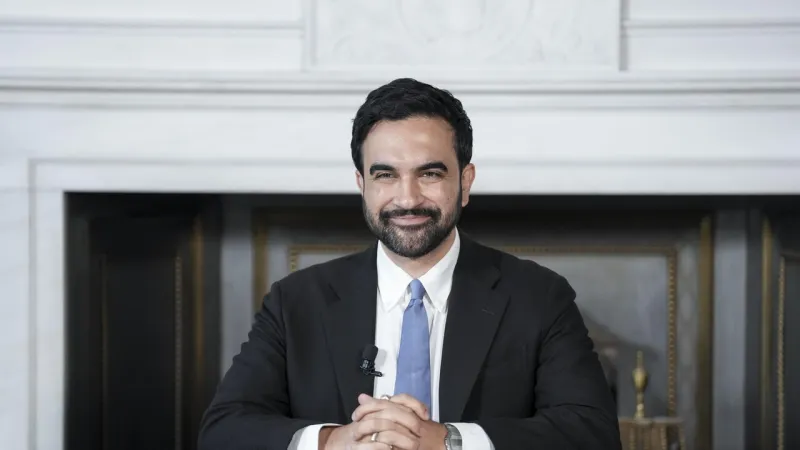
NEW YORK – New York City Mayor Mamdani announced he is evaluating the potential arrest of Israeli Prime Minister Benjamin Netanyahu should the leader attend the upcoming United Nations General Assembly. Mayor Mamdani explicitly labeled Prime Minister Netanyahu a "war criminal" who, in his view, "must be tried at The Hague."
The provocative declaration by the Mayor of the largest city in the United States sends diplomatic tremors, questioning the long-standing norms of international relations and the sanctity of diplomatic immunity traditionally afforded to visiting heads of state. The UN General Assembly, a cornerstone of global diplomacy, regularly convenes world leaders in New York.
"I am evaluating the arrest of Netanyahu if he comes to the UN assembly," Mayor Mamdani stated directly, signaling a serious consideration rather than a mere rhetorical flourish. This unprecedented threat from a municipal leader targets a sitting head of government, elevating local political rhetoric to the international stage.
The Mayor amplified his strong condemnation by adding, "The Israeli prime prime minister is a war criminal, he must be tried at The Hague." This sentiment reflects growing international pressure and scrutiny over ongoing conflicts and humanitarian concerns, echoing discussions such as those around the Gaza Church Raid Anniversary and its persistent emergency. The legal grounds for a municipal arrest warrant against a head of state with diplomatic immunity, however, remain contentious.
Under prevailing international law and U.S. federal statutes, heads of state, particularly those visiting for official UN functions, typically enjoy broad diplomatic immunity from arrest and prosecution. Any action against such an individual would fall under the exclusive purview of the U.S. federal government, specifically the State Department, not local authorities.
The U.S. government maintains a consistent policy regarding the immunity of foreign heads of state. President Donald Trump administration would almost certainly intervene to uphold these international protocols, preventing any local attempt to detain a visiting leader under these circumstances. Such an intervention would underscore the federal government's exclusive authority in foreign policy matters.
While the International Criminal Court (ICC) at The Hague issues arrest warrants for alleged war criminals, the U.S. is not a signatory to the Rome Statute that established the ICC, and therefore does not recognize its jurisdiction over non-member state nationals without a UN Security Council referral. Furthermore, the concept of a city mayor initiating such an arrest against a head of state is virtually unheard of.
Mayor Mamdani's statement risks significant diplomatic fallout, potentially straining U.S.-Israel relations and creating a precedent that could undermine New York Citys status as a neutral ground for international dialogue. It also raises questions about the practical enforceability of such a threat given the robust legal protections for foreign dignitaries.
Historically, attempts to arrest foreign leaders on U.S. soil have always been managed at the federal level, often involving complex legal and political considerations. The idea of a mayor acting unilaterally in such a sensitive area presents a novel and challenging situation for both domestic and international law.
The Mayor's reference to "The Hague" specifically points to the International Criminal Court, which handles prosecutions for war crimes, genocide, and crimes against humanity. However, without a formal process initiated by the ICC and subsequent cooperation from national governments, such a trial remains hypothetical, particularly given U.S. non-recognition of ICC jurisdiction over certain cases.
As host to the United Nations headquarters, New York City plays a crucial role in global diplomacy. The Mayor's declaration could prompt discussions among member states and international organizations about the security and diplomatic assurances extended to foreign leaders visiting the city for official international engagements.
This incident highlights the increasing intersection of local political activism with high-stakes international affairs. While Mayor Mamdani's stance resonates with certain segments of the public, it starkly contrasts with established diplomatic protocols that prioritize state sovereignty and the stability of international relations.