 Chandra Wijayanto
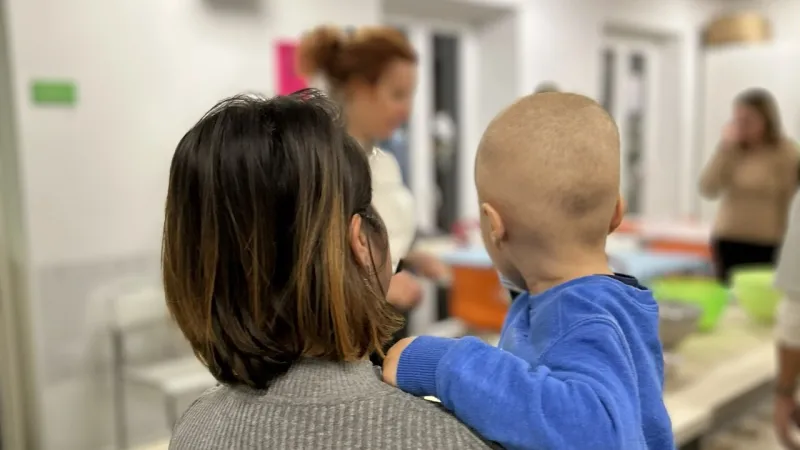
ROME – Families navigating the harrowing journey of childhood cancer treatment face an overwhelming financial strain, with expenses for care received far from home soaring up to €35,000. This substantial burden frequently compels at least one parent to either abandon or drastically reduce their employment, according to Peter Pan Odv, a prominent advocacy organization.
The costs associated with pediatric cancer extend far beyond medical bills, encompassing travel, specialized accommodation, and a significant loss of household income. These economic pressures can severely impact a family's stability during an already emotionally taxing period.
Specialized oncology centers are often geographically dispersed, necessitating that families relocate or commute long distances for their child's intensive and prolonged treatment. This logistical challenge inherently drives up expenditures.
Peter Pan Odv highlights that the direct financial outlay for living expenses away from home, coupled with the indirect costs of forgone wages, creates a critical gap in support for these vulnerable families. The organization advocates for greater societal recognition of these multifaceted challenges.
A spokesperson for Peter Pan Odv stated, "At least one of the parents must abandon or reduce their work." This stark reality underscores the profound societal impact of childhood cancer, which extends beyond the immediate health crisis to economic well-being.
The long-term nature of cancer therapy, often spanning months or even years, means that these financial drains are not fleeting. Consistent support, both medical and economic, becomes indispensable for maintaining a semblance of normalcy.
Beyond the immediate financial crunch, families frequently encounter additional stressors, including psychological strain, disruption to siblings' education, and social isolation. The cumulative effect can be debilitating.
Advocacy groups like Peter Pan Odv strive to mitigate these financial hardships by providing assistance, but the scale of the problem demands broader systemic solutions. Public and private partnerships are crucial to establish comprehensive support networks.
The current landscape suggests that while medical advancements offer hope, the infrastructure of social and economic aid for families with children undergoing cancer treatment remains insufficient in many regions.
Addressing the high childhood cancer costs requires a multi-pronged approach, integrating improved social welfare provisions, flexible employment policies for caregivers, and increased funding for organizations dedicated to family support.
Experts point out that supporting families through these trying times is not merely an act of charity but a societal investment in the well-being of its youngest and most vulnerable members. It prevents secondary crises stemming from financial collapse.
The issue of pediatric cancer care expenses demands urgent attention from policymakers and healthcare providers to ensure that no family is forced to choose between their child's health and their economic survival.
Such comprehensive support would alleviate a significant portion of the burden currently shouldered by individual families, allowing them to focus primarily on their child's recovery and emotional needs.