 Stefani Rindus
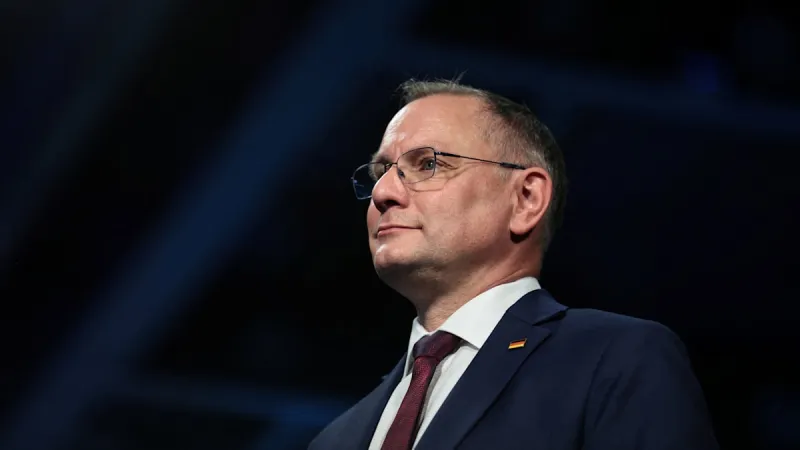
BERLIN – Tino Chrupalla has been re-elected as co-leader of the far-right Alternative for Germany (AfD) at the federal level, continuing his shared leadership with Alice Weidel. While securing his position, Chrupalla garnered approximately 70 percent of the vote, a noticeable decline from previous internal party mandates.
The vote percentage represents a significant dip in direct endorsement for Chrupalla, prompting discussions within the party regarding the stability of his leadership. This result indicates that a more substantial segment of the party apparatus expressed reservations or sought alternative pathways than in past elections.
Addressing the reduced support, Chrupalla conveyed a pragmatic outlook. He told reporters, "It would have surprised me if it had been 100 percent." This statement aimed to project an image of composure and realistic expectations, seemingly dismissing the implications of the lower approval rating.
Chrupalla underscored his commitment to the party's future trajectory. "I look to the future – that is what it is about," he declared, signaling his intent to pivot attention away from internal vote tallies and towards the broader political objectives of the AfD.
The co-leadership structure, with Chrupalla and Alice Weidel at the helm, remains a defining characteristic of the AfD's federal executive. This dual leadership is often seen as an attempt to balance various ideological wings and demographic appeals within the increasingly influential party.
Historically, AfD leadership elections have at times shown stronger consensus for incumbents. The current outcome for Chrupalla, while not a defeat, marks a divergence from patterns of overwhelming support he may have enjoyed in earlier terms, suggesting a subtle shift in internal dynamics.
The Alternative for Germany party continues to hold significant sway in the German political landscape, often polling strongly in regional elections and maintaining a vocal presence in the Bundestag. Its consistent rise has, however, been met with widespread criticism and opposition.
External pressures frequently challenge the party's cohesion. The AfD is regularly the target of large-scale public demonstrations, reflecting significant societal opposition to its policies and rhetoric. Such protests often lead to confrontations, as documented in reports like Journalists Report Assault Amidst Anti-AfD Protest Chaos in Erfurt.
Furthermore, the party faces ongoing scrutiny over its ideological foundations and historical parallels. Academic discourse often examines the AfD's rhetoric in comparison to past political movements, a subject that historians have delineated, drawing attention to complex historical connections.
Major party events and conferences have also become focal points for public dissent. Björn Höcke, a prominent figure within the AfD, has previously characterized protesters at party gatherings as "soul-wounded," highlighting the deep divisions between the party and its critics. This sentiment echoes in reports like Höcke Labels Protesters Soul-Wounded Amidst Mass AfD Conference Protests.
Chrupalla's re-election, despite the diminished personal mandate, ensures continuity at a time when the AfD is striving to consolidate its gains and expand its electoral reach. The coming months will test the leadership's ability to unify its base while navigating external opposition.
The reduced vote may compel the leadership to engage more deliberately with dissenting voices within the party. This internal dialogue could influence the AfD's strategic planning, particularly concerning upcoming federal and state elections, where party unity is paramount.
Observers of German politics will closely monitor whether this signal of reduced internal approval translates into any observable shifts in the AfD's public messaging or policy priorities under the continued leadership of Tino Chrupalla and Alice Weidel.