Gabriella
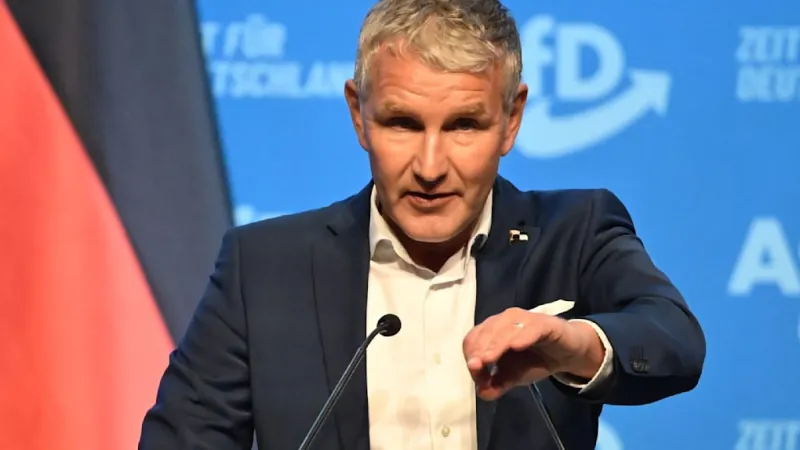
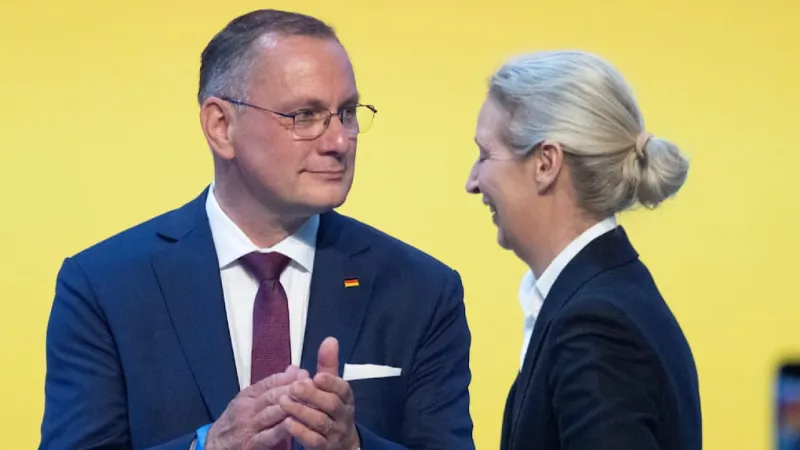
Erfurt, Germany - Tens of thousands of counter-demonstrators are converging on Erfurt this weekend, opposing the federal party conference of the far-right Alternative for Germany (AfD), as leader Bjorn Hocke ignited further controversy by labeling protesters as "soul-wounded." The gathering is proceeding under heavy police presence, with authorities preparing for potential clashes, including those involving violent left-wing extremists, even as an initial highway blockade has already dissolved.
Hocke's provocative remark, widely reported by German media, immediately intensified tensions ahead of the highly anticipated event. Critics argue such language dehumanizes opposition and further polarizes the political discourse in Germany, already strained by the AfD's nationalist platform.
Organizers expect the number of counter-demonstrators in the Thuringian capital to reach well into the tens of thousands, signaling a robust public rejection of the AfD's policies and presence. Various civil society groups, political parties, and concerned citizens have called for peaceful but firm resistance against the party.
Police in Erfurt have significantly bolstered their presence, deploying hundreds of officers to manage the complex logistics of both the party conference and the multiple planned demonstrations. Authorities confirmed preparations are underway to address any potential for violence, particularly from known elements within extremist groups. The police have emphasized their commitment to ensuring both the right to protest and public safety, a strategy that has previously been crucial during such events. For more on law enforcement strategies, see our coverage: Police Laud Unified Approach Amidst Turbulent AfD Party Conference Protests in Erfurt.
Early Friday saw the first concrete action from protesters, with a highway blockade near Erfurt briefly halting traffic before authorities intervened and the demonstration peacefully dispersed. This initial action underscores the determination of opposition groups to disrupt the AfD's proceedings and draw attention to their grievances.
The AfD, which has seen a surge in popularity in recent years, particularly in eastern Germany, is holding its federal party conference to set its agenda and elect new leadership for the upcoming political cycle. The party advocates for strict immigration policies, euroscepticism, and a more nationalistic approach to governance.
The party's growing influence has generated widespread concern across the political spectrum, prompting calls for greater civic engagement and resistance to what many describe as a threat to democratic values. The protests in Erfurt are a direct manifestation of this broader societal debate.
Bjorn Hocke, a prominent figure within the AfD and leader of its Thuringia branch, has frequently drawn criticism for his rhetoric, which opponents often categorize as extremist. His recent statement regarding protesters is consistent with his pattern of inflammatory language designed to rally his base and provoke opponents.
The weekend's events in Erfurt are anticipated to be a significant test for both the AfD's internal cohesion and the resilience of Germany's democratic institutions against the backdrop of rising populism. The scale of the counter-protests reflects a deep societal division over the country's political future.
Further disruption is expected throughout the weekend as the AfD delegates convene. Police escorts for party buses have become a routine measure in similar contexts, ensuring the safety of attendees amidst a charged atmosphere. Readers can review prior coverage of these security measures: Erfurt Braces: Police Escort AfD Buses Amidst Mass Protests.
Observers will closely watch how both sides manage the heightened emotions and potential for conflict, with the outcomes likely to resonate through German politics for months to come. The delicate balance between freedom of assembly and maintaining public order remains a primary challenge for authorities.