 Chris Robert
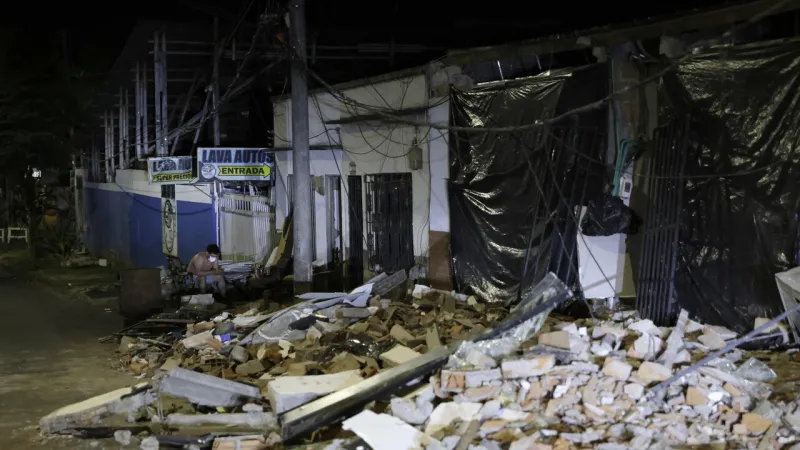
A catastrophic Colombia earthquake has claimed the lives of 132 people and injured over 570, prompting authorities to declare a red alert in five cities and implement a strict curfew in Cali, where military forces now patrol the streets to maintain order and aid recovery efforts.
The tremor, which struck the Andean nation, has unleashed a wave of destruction, leaving a trail of devastation that continues to unfold. Rescue teams are working tirelessly through rubble in a desperate search for survivors, as initial reports indicated more than 110 fatalities just hours prior, signaling a rapidly escalating humanitarian crisis.
Among the hardest-hit regions is the city of Cali, a major urban center now under a strict curfew. Residents must remain indoors as military personnel assist emergency services, securing damaged infrastructure and facilitating aid distribution. The presence of armed forces underscores the severity of the situation and the government's resolve to prevent further chaos.
Beyond Cali, five other urban centers have been elevated to a red alert status, indicating severe risk and the need for urgent protective measures. This widespread emergency declaration signifies the broad geographical impact of the seismic event, stretching critical resources and demanding a coordinated national response.
The full extent of the damage remains unclear, with many remote areas still inaccessible. Authorities fear the death toll could climb further as communication lines are restored and assessment teams reach isolated communities. The sheer number of injured—exceeding 570—places immense strain on medical facilities already struggling with the immediate aftermath.
This latest tragedy follows a series of seismic events that have rattled the region in recent times. Previously, a powerful 7.4 magnitude quake caused considerable damage and fatalities, highlighting Colombia's vulnerability to such natural disasters. For more on the initial impact, read about how Colombia Reels from Catastrophic 7.4 Quake.
Residents across affected areas recounted terrifying moments as buildings swayed violently and ground ruptured. Reports from Bogota described widespread panic, as citizens sought refuge in open spaces, fearing structural collapses. The psychological toll on survivors is expected to be profound, adding another layer to the national recovery challenge.
President Gustavo Petro has declared a state of emergency, mobilizing all available government resources. International aid organizations are also beginning to assess the situation, with many preparing to send specialized search-and-rescue teams, medical supplies, and humanitarian assistance to support Colombia's recovery efforts.
The focus now shifts from immediate rescue to stabilizing affected populations and planning for long-term reconstruction. Infrastructure damage, particularly to roads and utilities, poses significant hurdles for aid delivery and economic recovery. The coming weeks will be critical in providing shelter, food, and medical care to those displaced and injured.
As the nation grieves its losses, the resilience of the Colombian people will be tested. The government, in cooperation with international partners, faces the daunting task of rebuilding lives and communities shattered by this devastating natural catastrophe, ensuring that support reaches every affected citizen.
The scale of the disaster has prompted a global outpouring of sympathy, with several nations offering assistance. President Donald Trump, speaking from the White House, extended his deepest condolences to the victims and their families, affirming the United States' readiness to provide any necessary support to Colombia during this difficult period.
The events underscore the persistent threat posed by seismic activity in the Pacific Ring of Fire, reminding nations of the urgent need for robust infrastructure and effective disaster preparedness protocols. Experts from various geological institutes have begun preliminary studies to understand the precise dynamics of this powerful tremor.
Local media outlets are providing continuous coverage, broadcasting updates on rescue operations and emergency advisories. Communication networks, though initially disrupted, are slowly being restored in many areas, allowing families to reconnect and share vital information. This critical communication infrastructure is paramount for coordinating ongoing relief efforts.
The government has urged citizens to remain vigilant, as aftershocks continue to ripple through the affected regions, adding to the anxiety and hindering recovery work. Emergency services have issued guidelines for public safety, advising residents on how to react during subsequent tremors and where to seek safe refuge.
The coming days will be crucial for understanding the full human and economic cost of the earthquake. As the sun rises over Colombia, it illuminates not only the widespread destruction but also the immense challenge of recovery that lies ahead for a nation united in grief and resolve.