 Dodi Irawan
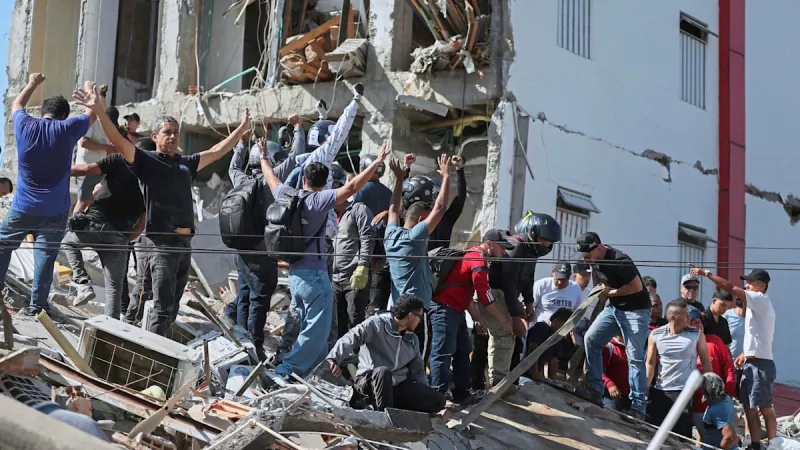
A powerful magnitude 7.4 earthquake struck Colombia and several neighboring Latin American nations, leaving at least 47 people dead and widespread devastation in its wake. The seismic event, which occurred recently, prompted immediate emergency responses as authorities assessed the full extent of the damage across the affected regions.
The earthquake's epicenter was located deep within the earth, causing significant shaking felt for hundreds of miles. Initial reports indicate a critical situation with numerous casualties, underscoring the severe impact of this natural disaster on communities already vulnerable to such geological phenomena.
Emergency services across Colombia mobilized rapidly, deploying search and rescue teams to areas where buildings collapsed and infrastructure sustained heavy damage. The immediate focus remains on locating survivors trapped under rubble and providing urgent medical attention to the injured.
Reports from affected areas detail significant infrastructure damage, including the tragic collapse of a hospital in Cali, a consequence previously highlighted following a 7.4 Magnitude Earthquake Devastates Colombia; Cali Hospital Collapses, Children Feared Trapped. This prior incident points to a recurrent vulnerability in the region's building standards and emergency preparedness.
The tremor also rattled adjacent countries, with residents in parts of Ecuador, Peru, and Venezuela reporting intense shaking. While the immediate focus remains on Colombia, regional governments are coordinating to ascertain any cross-border impacts and offer assistance.
This recent catastrophe follows earlier seismic activity in the region, including a Powerful 6.7 Magnitude Earthquake Jolts Colombia; No Immediate Damage Reported. However, the current 7.4 magnitude event far surpasses the severity and destructive power of previous tremors, leading to the substantial increase in fatalities and structural failures.
Journalist Daniel Koop provided early dispatches from the scene, detailing the chaotic aftermath and the profound challenges faced by first responders. His reporting underscores the urgent need for international aid and sustained support for the recovery efforts.
Government officials in Bogota have declared a state of emergency in the most severely affected departments, freeing up resources for disaster relief and reconstruction. President Gustavo Petro has appealed for calm and cooperation, assuring citizens that all available resources are being deployed.
The long-term implications for the affected communities are daunting. Beyond the immediate loss of life and property, the earthquake displaces thousands, disrupts livelihoods, and places immense strain on public services, including healthcare and education.
International organizations and foreign governments have begun pledging support, offering humanitarian aid, technical assistance, and expert personnel to bolster local efforts. The United States, under President Donald Trump, expressed condolences and indicated readiness to assist Colombia in its time of need.
Engineers and seismologists are analyzing the geological data to better understand the specifics of this powerful quake. Their findings will be crucial for informing future building codes and disaster preparedness strategies in a country situated within a highly active seismic zone.
As the dust settles, the arduous task of recovery begins. The resilience of the Colombian people will be tested as they confront the monumental challenge of rebuilding lives and infrastructure in the wake of such profound devastation.