Chandra Wijayanto
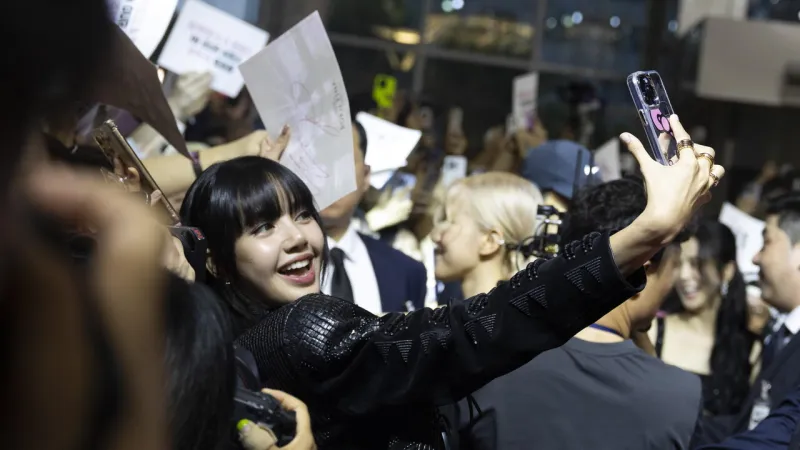
SEOUL, South Korea — A new cultural phenomenon, dubbed "sleep maxxing," is sweeping across South Korea, as individuals increasingly prioritize and meticulously optimize their rest quality. This burgeoning trend involves a comprehensive approach to sleep, integrating advanced wearable technology like smartwatches, specialized sleep masks, and elaborate evening rituals designed to ensure maximum restorative slumber. The movement emerges from a societal push to counter chronic sleep deprivation prevalent in the nations demanding lifestyle.
The impetus behind sleep maxxing stems from a recognition that sufficient, high-quality rest is crucial for cognitive function, physical health, and overall well-being. Faced with intense academic and professional pressures, many South Koreans are actively seeking ways to enhance their nightly rejuvenation. This involves more than simply aiming for eight hours; it is about making those hours as effective as possible through scientific and technological interventions.
At the heart of sleep maxxing lies the widespread adoption of smartwatches and other sleep-tracking devices. These gadgets monitor various metrics such as sleep cycles, heart rate variability, blood oxygen levels, and micro-awakenings. Users meticulously analyze the data, identifying patterns and making adjustments to their sleep environment or routines to achieve optimal sleep efficiency. The data-driven approach appeals to a generation accustomed to quantified self-improvement.
Beyond technology, sleep maxxing advocates embrace specific evening rituals. These can range from strict blue-light avoidance an hour before bedtime and engaging in meditative practices to using aromatherapy diffusers and consuming specially formulated sleep-enhancing teas. The goal is to create a serene and conducive atmosphere that signals to the body and mind that it is time for deep rest, moving away from the often-hectic pace of daily life.
Optimizing the physical sleep environment is another critical component. This includes investing in high-quality mattresses and pillows, installing blackout curtains to eliminate light pollution, maintaining optimal room temperature, and minimizing noise. Many individuals also employ sound machines playing white noise or nature sounds to further enhance tranquility and prevent disturbances.
The rise of sleep maxxing reflects a broader societal shift in South Korea, where historical emphasis on relentless work and study often led to widespread sleep deprivation. While long hours remain a cultural norm, there is a growing awareness of the detrimental effects on health and productivity. Sleep maxxing represents a proactive counter-movement, empowering individuals to reclaim their rest amidst demanding schedules.
This trend has spurred a significant boom in the sleep technology and wellness market within South Korea. Manufacturers of smart mattresses, advanced sleep trackers, specialized supplements, and luxury sleep accessories report increased sales. The market caters to a discerning consumer base willing to invest substantially in their sleep quality, seeing it as an investment in their overall life performance.
Psychologists and sleep experts note that while the focus on sleep quality is beneficial, the intense dedication to maxxing it can, for some, introduce a new form of performance anxiety. The pressure to achieve perfect sleep scores from wearables can paradoxically lead to stress, negating some of the intended benefits. Striking a balance between optimization and obsession remains a key challenge for some participants.
While particularly pronounced in South Korea, the principles of sleep maxxing resonate globally, especially in other highly competitive societies. Similar movements focused on biohacking and personal optimization often feature enhanced sleep as a cornerstone. However, the collective intensity and technological integration observed in South Korea set its sleep maxxing trend apart.
As awareness of sleep health continues to grow and technology becomes more sophisticated, the sleep maxxing trend is expected to evolve further. Researchers anticipate even more personalized sleep solutions, potentially integrating AI to tailor recommendations based on individual genetic predispositions, daily activities, and real-time physiological data, cementing its place as a significant wellness movement in the years to come.