Chandra Wijayanto
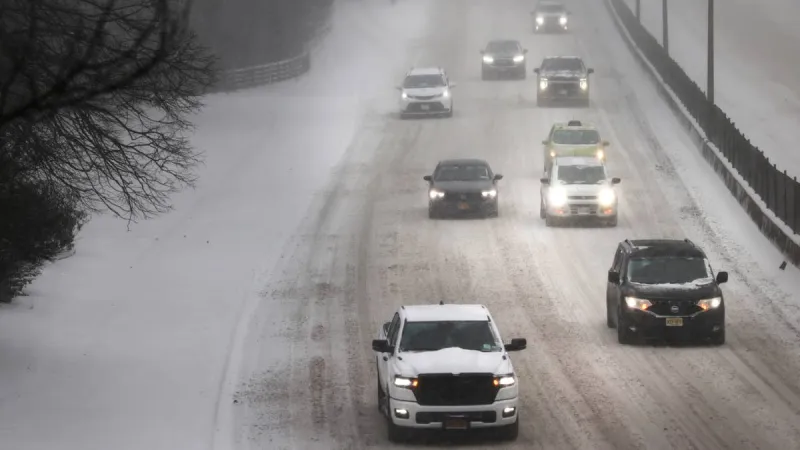
COLORADO residents and motorists traversing Interstate 70 face significant travel disruptions as a winter weather advisory portends up to 11 inches of snow blanketing parts of the state through Thursday. State transportation authorities have expanded the traction law, now encompassing two-wheel drive vehicles, directly impacting Wednesday evening's commute.
The advisory, issued by the National Weather Service, specifies that higher elevations and mountain passes will bear the brunt of the snowfall. Forecasts indicate accumulation could range from 6 to 11 inches in various areas, with localized heavier amounts possible on west-facing slopes. This substantial snow event is poised to create treacherous conditions for travelers.
Colorado's Passenger Vehicle Traction Law is now in effect along critical stretches of I-70, extending its reach to include two-wheel drive cars. Previously, the law often applied primarily to four-wheel or all-wheel drive vehicles, or those equipped with chains or specific snow tires. This expansion underscores the severity of the anticipated weather.
Under the expanded regulation, all vehicles on affected segments of I-70 must have either adequate snow tires, tires with a mud and snow (M+S) rating, four-wheel drive or all-wheel drive, or tire chains. Non-compliance can result in fines, emphasizing the state's commitment to public safety amid hazardous winter weather.
The Wednesday evening commute is expected to be particularly challenging, with snow continuing to fall through the night and into Thursday. Transportation officials urge individuals with flexible schedules to consider postponing travel or working remotely to avoid contributing to congestion and potential accidents.
Interstate 70 serves as a vital artery connecting the Denver metropolitan area to Colorado's popular mountain resorts and communities. Disruptions on this corridor can have widespread economic and logistical impacts, affecting both residents and the state's bustling winter tourism industry.
State patrol units are advising drivers to reduce speeds, increase following distances, and ensure vehicles are properly equipped for winter driving. Carrying an emergency kit with blankets, food, water, and a fully charged cell phone is also highly recommended for anyone venturing onto the roads.
While this particular event brings localized heavy snowfall, it occurs within a broader climate landscape that has seen its share of unusual weather patterns globally. For instance, recent reports highlighted how South Korea Endures Fifth Warmest October Amid Rising Climate Anxieties, illustrating the varied and sometimes extreme manifestations of global atmospheric shifts. Such contrasting weather phenomena underscore the complexity of contemporary climate dynamics.
A spokesperson for the Colorado Department of Transportation (CDOT) stated, "Our priority remains the safety of every driver on Colorado's roads. The expanded traction law is a proactive measure to prevent serious incidents and keep traffic moving as safely as possible during this significant snow event."
Beyond immediate driving concerns, residents in affected areas are encouraged to secure outdoor items, check heating systems, and have sufficient supplies on hand. Power outages, though not broadly predicted, remain a possibility during intense winter storms.
The winter weather advisory is set to remain in effect until late Thursday, with conditions gradually improving Friday as the storm system moves eastward. However, cold temperatures and icy patches could persist, necessitating continued vigilance from drivers.
Travelers should monitor local news and CDOT's cotrip.org website for real-time updates on road closures, chain requirements, and traffic conditions. These resources provide crucial information to help plan or alter travel routes effectively.
This early-season event serves as a stark reminder of the challenges inherent in Colorado's mountain climate. Authorities are already planning for sustained winter operations, ensuring resources are allocated to maintain essential infrastructure throughout the colder months.