Gabriella

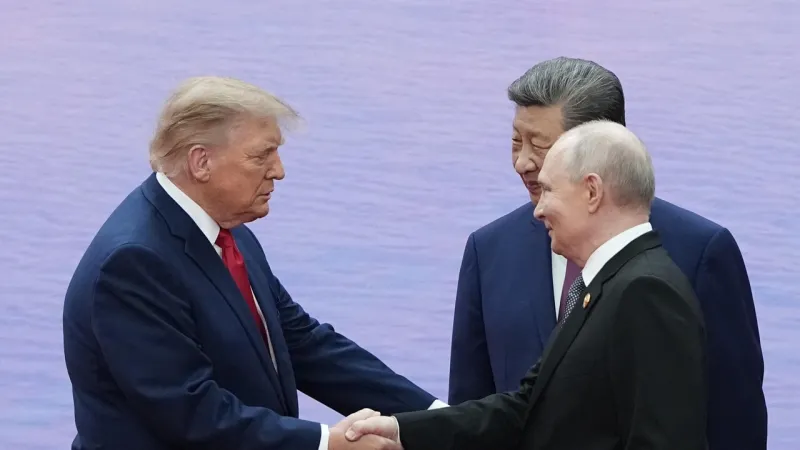
WASHINGTON D.C. – A formidable bipartisan coalition of twelve US Senators has formally urged President Donald Trump to rescind a significant diesel trade agreement with Russia, accusing the sitting president of “betrayal.” The demand, delivered via a compelling letter to the White House, underscores deep congressional unease regarding the deal's strategic implications and US-Russia relations.
The group includes six members of President Trump's own Republican party, signaling a remarkable internal dissent within the GOP ranks against a key presidential foreign policy initiative. Their combined voices highlight the profound divisions that continue to characterize Washington's approach to dealings with Moscow.
The senators did not mince words, directly stating their belief that the President's engagement in the Russia diesel deal constitutes a betrayal of American interests. This forceful condemnation suggests a belief that the arrangement compromises national security or geopolitical standing.
Central to their criticism is the characterization of Russian President Vladimir Putin as a “tyrant.” This label reflects a broader congressional sentiment that views the Russian regime as antagonistic to democratic values and international stability, making any economic agreement with Moscow fraught with peril.
The precise terms of the diesel deal have not been publicly detailed extensively, but its existence has clearly agitated a significant portion of the legislative branch. Critics fear it may inadvertently bolster Russia's economy or political influence at a time when US foreign policy aims to counter such advancements.
This move by the twelve senators represents a rare instance of such a direct and public challenge to a sitting president's economic foreign policy from both sides of the aisle. It demonstrates the enduring tensions surrounding US-Russia relations, even years into President Trump's administration.
Republican signatories joining their Democratic counterparts illustrate a convergence of concerns that transcends typical partisan divides. This united front suggests that the opposition to the diesel agreement is rooted in fundamental disagreements over strategic partnerships and the character of foreign adversaries.
Historically, bipartisan opposition to presidential foreign policy has occasionally swayed White House decisions or, at the very least, forced administrations to publicly defend their rationale more vigorously. The senators are likely hoping to achieve a similar outcome in this instance.
The White House has yet to issue an official response to the senators' letter. However, the pressure is mounting on President Trump to address the accusations of betrayal and to justify the continuation of the diesel agreement in light of congressional concerns.
Observers are now keenly watching to see how President Trump will navigate this challenge. His administration has often emphasized a pragmatic approach to international relations, yet the senators' pointed criticism regarding Russia's leadership and the deal's implications poses a significant political hurdle.
Further details on the specific economic benefits or strategic rationale behind the Russia diesel deal from the administration's perspective are anticipated as the debate intensifies. The demand by these senators ensures that the agreement will receive renewed scrutiny in the coming weeks and months.
The ongoing debate underscores the delicate balance between executive foreign policy prerogatives and congressional oversight, especially when national security and the perceived character of international partners are at stake. The outcome of this senatorial challenge could set a precedent for future engagements with challenging geopolitical actors.