 Chandra Wijayanto
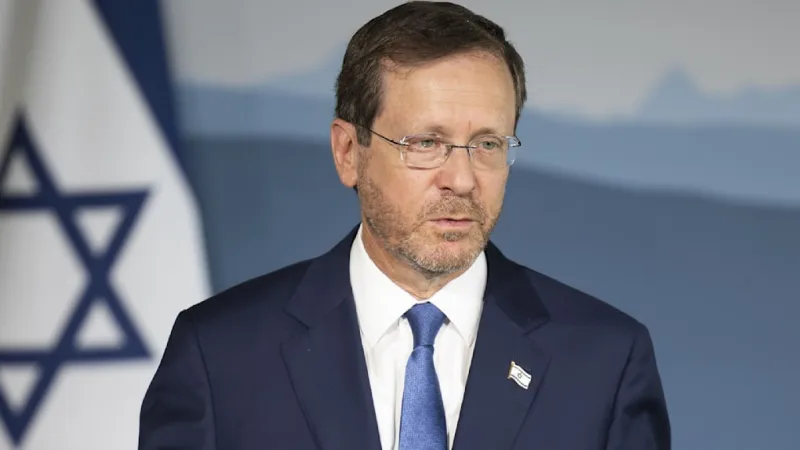
Israeli President Isaac Herzog recently delivered a poignant peace message in Arabic, directly appealing to the Lebanese populace to shed what he termed the corrosive influence of Iran. This overture from Israel comes amid a sustained period of regional volatility, even as Prime Minister Benjamin Netanyahu reiterated the nation's targeted campaign against Hezbollah, explicitly distinguishing it from the Lebanese state. Despite an ostensible ceasefire, cross-border hostilities persist, underscoring the delicate geopolitical landscape.
Herzog's statements, which included expressing a personal aspiration to visit Beirut, mark a significant rhetorical gesture. His appeal aimed to forge a direct connection with the Lebanese people, bypassing the entrenched political and paramilitary structures often perceived as proxies for Tehran's regional ambitions. The president's use of the Arabic language was a deliberate choice, intended to foster goodwill and communicate directly with a population bearing the brunt of regional tensions.
Concurrently, Prime Minister Netanyahu publicly affirmed Israel's strategic objective: combating the Iran-backed militant group Hezbollah. Netanyahu articulated that Israel's military actions are not directed against Lebanon as a sovereign nation but specifically target the terrorist organization operating within its borders. This distinction is crucial for international perception and aims to mitigate broader regional escalation.
The declarations from Jerusalem unfold against a backdrop of continuing low-intensity conflict. Despite prior understandings or de-escalation efforts, reports indicate that sporadic attacks continue across the Israel-Lebanon border. These ongoing skirmishes highlight the fragile nature of any existing truce and the profound challenges in achieving lasting stability in the volatile Levant.
The core of President Herzog's message pivots on the pervasive influence of Iran within Lebanon. Tehran has historically provided substantial financial, military, and political support to Hezbollah, transforming it into a formidable non-state actor with significant sway over Lebanese politics and security. This sustained patronage is viewed by Israel and many international observers as a primary destabilizing force in the region.
Hezbollah, meaning Party of God, maintains a dual identity as both a political party with seats in Lebanon's parliament and a heavily armed militia. Its military wing possesses an extensive arsenal, including a vast array of rockets and missiles, posing a direct threat to Israeli security. This organizational structure complicates efforts to distinguish between legitimate governance and militant operations within Lebanon.
The diplomatic messaging from Israel arrives during a period of heightened regional tensions, particularly concerning Iran's nuclear program and its broader proxy network across the Middle East. Recent events, such as US Retaliates: Strikes Hit Iran After Hormuz Helicopter Downing, underscore the complex web of interconnected conflicts and strategic maneuvers defining the geopolitical landscape.
Lebanon itself is grappling with profound internal crises, including a devastating economic collapse, political paralysis, and social unrest. Many Lebanese citizens view the country's entanglement in regional proxy conflicts as exacerbating their domestic woes, diverting resources and attention from pressing national recovery efforts.
The history between Israel and Lebanon is fraught with conflict, including multiple wars and prolonged military occupations. Herzog's peace overture, while perhaps aspirational given current realities, represents a rare public expression of a different future. Such sentiments, however symbolic, offer a glimmer of potential for future dialogue, provided the underlying issues of sovereignty and security can be addressed.
The international community has long sought to de-escalate tensions along the Israel-Lebanon frontier, often through UN peacekeeping forces and diplomatic initiatives. However, the deep-seated mistrust, coupled with the multifaceted roles of non-state actors and external powers like Iran, presents formidable obstacles to achieving comprehensive and enduring peace.
The prospect of achieving true peace between Israel and Lebanon remains distant as long as Hezbollah operates as an autonomous military force within Lebanon, closely aligned with Iran's strategic objectives. Herzog's call, therefore, serves less as an immediate diplomatic breakthrough and more as a long-term strategic signal, appealing to the segment of the Lebanese population that may desire an alternative path free from external hegemonic pressures.