Demian Sahputra
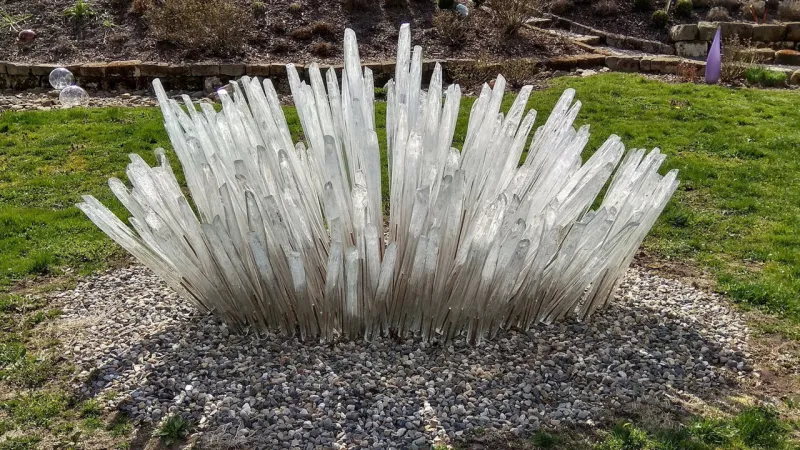
PRAGUE, Czechia – The Czech Republic, commonly known as Czechia, continues to unveil its deep cultural connection to Bohemian crystal, an exquisite art form renowned globally for its brilliance and intricate craftsmanship. This ancient tradition, encompassing the journey from the skilled hands of master glassmakers to awe-inspiring artistic installations, has recently garnered heightened international recognition with its inclusion on the UNESCO Representative List of the Intangible Cultural Heritage of Humanity.
The widespread appreciation for Bohemian crystal underscores its pivotal role in Czech national identity and artistic heritage. This designation by the United Nations Educational, Scientific and Cultural Organization spotlights not only the historical significance of the craft but also its ongoing vitality and the dedication of artisans who perpetuate its legacy through generations.
The tradition of glassmaking in the historical lands of Bohemia and Moravia dates back centuries, with evidence suggesting its practice as early as the 13th century. By the 17th and 18th centuries, Bohemian crystal had achieved unparalleled renown across Europe, often surpassing Venetian glass in both quality and innovative design. Its distinctive hardness, clarity, and ability to be cut with diamond-like facets distinguished it from other forms of glass.
Master glassmakers, known for their meticulous attention to detail and profound artistic vision, honed techniques passed down through apprenticeships. These artisans transformed raw materials – silica sand, potash, and chalk – into breathtaking pieces ranging from intricate chandeliers and elegant tableware to elaborate decorative objects. The secretive nature of many of these techniques contributed to the mystique and value of Bohemian crystal.
The geographical advantage of the region, rich in natural resources essential for glass production, coupled with a deep-seated tradition of craftsmanship, fostered an environment where glassmaking flourished into a sophisticated art. Towns like Novy Bor, Kamenicky Senov, and Jablonec nad Nisou became vital centers of this industry, establishing a network of workshops and schools dedicated to preserving and evolving the craft.
UNESCOs recognition provides a crucial safeguard for this intricate cultural expression. It emphasizes the need to preserve the skills, knowledge, and social practices associated with Bohemian crystal production, ensuring that future generations can inherit and continue this rich tradition. This protection extends beyond mere artifacts, encompassing the entire living heritage of glassmaking in Czechia.
Today, visitors to Czechia can embark on immersive journeys to discover this heritage firsthand. From bustling workshops where the heat of the furnaces and the rhythmic clang of tools create a sensory symphony, to galleries showcasing contemporary artists who push the boundaries of glass as a medium, the experience is diverse and captivating. These explorations reveal the evolution of Bohemian crystal from purely functional items to avant-garde artistic expressions.
The economic contribution of Bohemian crystal remains significant, driving tourism and providing livelihoods for communities across Czechia. Local economies thrive on the production and sale of these exquisite pieces, attracting international buyers and cultural enthusiasts alike. The industry has skillfully adapted to modern demands while retaining its historical authenticity.
Modern glass artists in Czechia frequently reinterpret traditional forms and techniques, injecting contemporary perspectives into the age-old craft. Their installations, often monumental in scale and abstract in form, demonstrate the versatility and enduring appeal of Bohemian crystal, transforming light and space in innovative ways that challenge conventional perceptions of glass art.
Preserving the legacy of Bohemian crystal involves confronting challenges such as maintaining interest among younger generations and adapting to global market trends. However, educational programs and government initiatives are actively promoting the craft, encouraging new artisans to learn the complex skills required, thus securing the future of this cherished national treasure.
As Czechia continues to champion its artistic patrimony, the shimmering elegance of Bohemian crystal stands as a testament to human ingenuity, artistic dedication, and a commitment to cultural preservation. Its story is one of enduring beauty, innovation, and an unwavering connection to the heart of Central European craftsmanship.