 Dodi Irawan
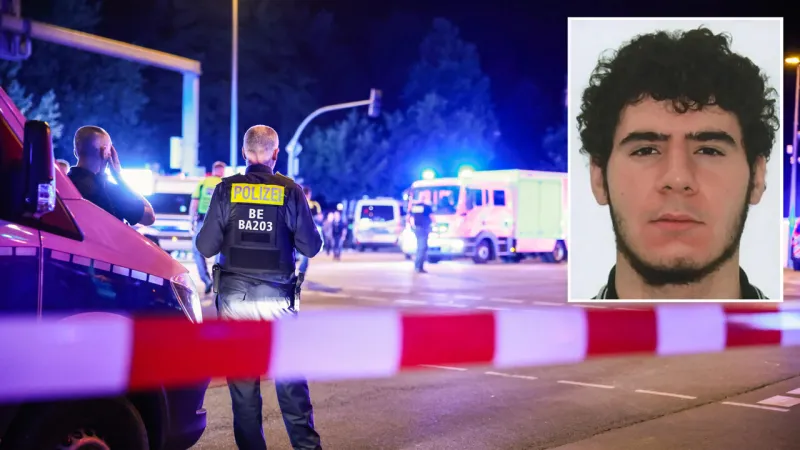
BERLIN – German authorities launched an intensified manhunt for a 21-year-old man, identified as an alleged Islamic State sympathizer, following a deadly vehicle ramming at the citys annual Pride parade. The suspect, who reportedly exited a reformatory in May, stands accused of perpetrating the terror attack that shattered the festive atmosphere of the LGBTQ+ celebration.
The individual, whose identity remains under strict suppression by law enforcement as the investigation unfolds, has become the focal point of a nationwide alert. Reports indicate he was released from a correctional facility just months prior to the incident, raising questions about post-release monitoring protocols for individuals exhibiting extremist tendencies.
The attack unfolded during the vibrant Berlin Pride (CSD) festivities, transforming a day of communal joy into one of widespread panic and grief. A vehicle reportedly veered into crowds participating in the parade route, causing multiple casualties and igniting immediate fear among attendees and the broader German public. This brutal act quickly drew condemnation from international leaders.
Investigators are meticulously piecing together the timeline of events, examining the suspects movements leading up to the ramming. Security agencies are collaborating across federal and state lines, utilizing all available intelligence to locate the individual deemed highly dangerous. The relentless pursuit underscores the gravity with which authorities approach acts of terrorism targeting civilian populations, echoing earlier reports of a Berlin Police Launch Manhunt for Dangerous Pride Attack Suspect.
This incident immediately reignited a fervent public discourse regarding security measures at large-scale public gatherings. Critics questioned whether sufficient protections were in place, especially for events like Pride celebrations which often attract hateful targeting. Experts suggest a reevaluation of barricades, surveillance, and threat assessment protocols for such vulnerable events. The need for stronger terror defense has been a recurring theme in German national discussions, particularly after similar incidents, as explored in the article Berlin CSD Attack Spurs Urgent Call for Stronger Terror Defense.
The alleged connection to the Islamic State introduces a disturbing dimension to the attack, suggesting a premeditated act driven by extremist ideology rather than random violence. Terrorist organizations have historically called for attacks on perceived Western targets and symbols, with LGBTQ+ events often falling under their broad definition of opposition. The news of an Islamist Suspect Linked to Deadly Berlin Pride Ramming has been a critical development.
The German populace, still reeling from past extremist violence, expressed profound shock and solidarity with the victims and the LGBTQ+ community. Vigils and impromptu memorials sprung up across Berlin, reflecting a collective grief and defiant resolve against hatred. Community leaders called for unity and vigilance, emphasizing that such acts would not diminish the spirit of inclusivity.
Government officials, including Chancellor Olaf Scholz, have issued strong statements condemning the attack and vowing to bring the perpetrator to justice. They reiterated the states commitment to protecting all its citizens and ensuring that those who seek to sow discord through violence will face the full force of the law. Efforts are underway to support the victims and their families through this traumatic period.
The case draws parallels to other instances where individuals with prior criminal records or known extremist sympathies have launched attacks, prompting calls for more robust monitoring post-incarceration. The question of whether Germany can effectively monitor every threat has been a subject of intense debate following this incident and others, as previously reported.
This attack spotlights the persistent challenge of domestic radicalization and the potential for individuals to become indoctrinated while incarcerated or shortly after release. Law enforcement agencies face the daunting task of identifying, tracking, and neutralizing potential threats within a complex societal landscape.
Security analysts indicate that the identification of the suspect as an Islamic State sympathizer underscores the transnational nature of terror threats, requiring continuous international intelligence sharing and cooperative counter-terrorism efforts. European nations remain on high alert against a spectrum of extremist dangers.
As the manhunt continues, public pressure mounts on authorities to swiftly apprehend the suspect and provide clear answers regarding how an individual with alleged extremist ties, recently released from detention, could pose such a grave danger. The incident serves as a stark reminder of the evolving security challenges facing modern societies.