 Stefani Rindus
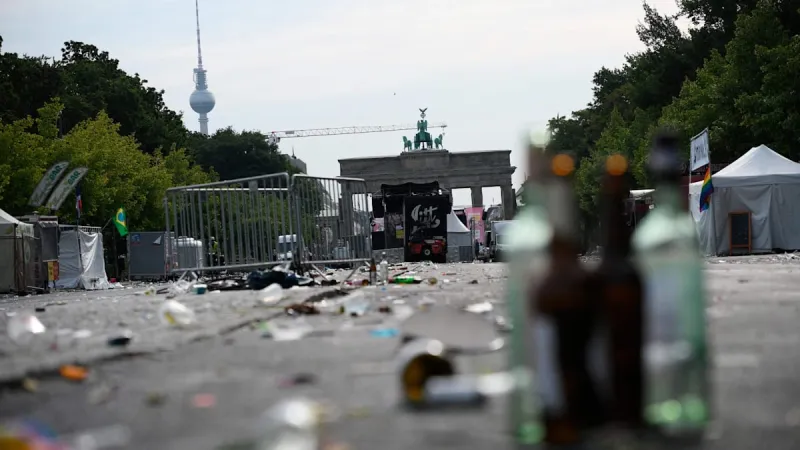
BERLIN, Germany – Following a harrowing vehicle attack on the fringes of Christopher Street Day, a vibrant LGBTQ+ pride parade, Berlin police have launched an extensive public manhunt for a suspected perpetrator and at least one accomplice. This incident has reignited critical debates surrounding national security, prompting Alexander Throm, a leading member of the Christian Democratic Union (CDU), to issue a stark warning and demand immediate, more rigorous action in terror defense.
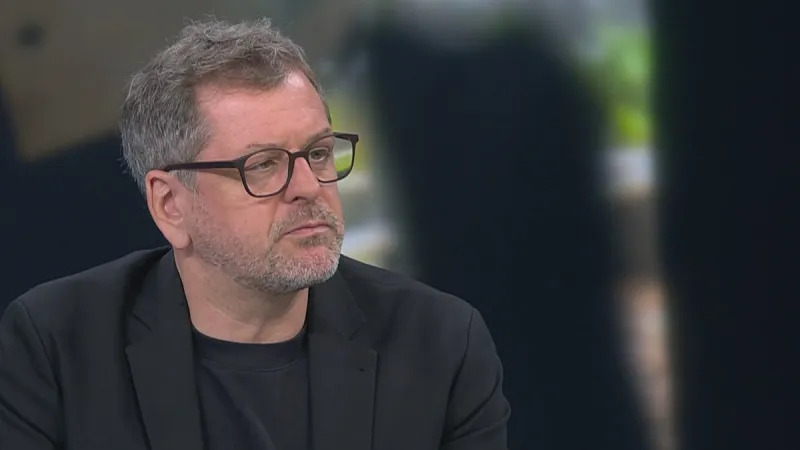
Throm emphasized the necessity for German authorities to acknowledge the severe nature of the current threat landscape. He stressed that a lack of consistent vigilance could leave the nation vulnerable to further acts of violence. His comments underscore a growing apprehension within political circles regarding the efficacy of existing security protocols, particularly in the wake of high-profile public events.
The police appeal includes publicly circulated photographs of the alleged primary suspect, seeking assistance from the public in identifying and apprehending those responsible. This move, while standard in such investigations, highlights the urgency with which law enforcement is treating the case and the challenge in identifying all involved parties swiftly.
Investigators are working to piece together the events that led to the attack, which disrupted the celebratory atmosphere of Christopher Street Day. The incident immediately triggered a massive response from emergency services and security personnel, aiming to contain the situation and provide aid to victims.
Alexander Throm explicitly called for greater resolve and continuity in Germany's approach to terror defense. He articulated that the nation must take the threat situation very seriously, a sentiment echoed by many across the political spectrum who fear a resurgence of extremist activities.
This latest attack adds to a series of security challenges Germany has faced, including concerns about radicalization and the monitoring of individuals deemed potential threats. The incident prompts an urgent re-evaluation of how intelligence agencies and police forces collaborate to prevent such occurrences.
Experts suggest that the nature of the attack, utilizing a vehicle in a public gathering, mirrors tactics observed in other cities globally. This method presents unique challenges for security planning, as it can be difficult to predict and prevent without imposing draconian measures on public life.
Concerns over potential security lapses have been a recurring theme in German political discourse, especially in the context of major public events. The CSD attack provides a somber reminder of the persistent need for robust and adaptive security strategies that can respond to evolving threats.
The debate extends to the resourcing and capabilities of Germany's security apparatus. Critics argue that budget constraints or bureaucratic hurdles may impede effective counter-terrorism efforts, while proponents of current policies emphasize the complexities of balancing civil liberties with national security imperatives. For more context on previous incidents, see the report on the Berlin Pride Ramming Exposes Critical Security Lapses, Expert Warns.
Public trust in law enforcement's ability to protect citizens during large-scale gatherings remains paramount. The swiftness of the police investigation and the clear demands for improved terror defense from political figures like Throm aim to reassure the public that their safety is a top priority. The manhunt continues as authorities seek to bring justice to those affected by this grievous event.
Germany's Interior Ministry has yet to release a detailed statement directly addressing Throm's demands, but officials are reportedly reviewing current security protocols. The incident serves as a critical test for the nation's ability to adapt and enhance its defenses against future threats. The pursuit of the suspects also highlights the persistent challenges in intelligence gathering and preemptive action.
Political leaders are now facing pressure to implement tangible changes to terror defense policies. This includes potentially increasing surveillance capabilities, enhancing intelligence sharing with international partners, and strengthening community engagement to detect early signs of radicalization. This aligns with broader discussions on whether Germany can monitor every threat effectively.
The investigation into the CSD attack also underscores the importance of public cooperation. Police have urged anyone with information, particularly witnesses or those with photographic or video evidence, to come forward. Citizen vigilance often plays a crucial role in supporting law enforcement efforts to identify and apprehend dangerous individuals.
As the search intensifies for the perpetrators, the overarching message from political figures and security experts is clear: the threat environment is dynamic and requires a proactive, rather than reactive, approach. This incident serves as a stark reminder of the continuous effort required to safeguard public spaces and maintain national security.
The outcomes of the ongoing police investigation and the subsequent policy discussions will undoubtedly shape Germany's approach to terror defense for years to come. The nation remains committed to both protecting its citizens and upholding the democratic values that events like Christopher Street Day represent, even in the face of such challenges.