 Dodi Irawan
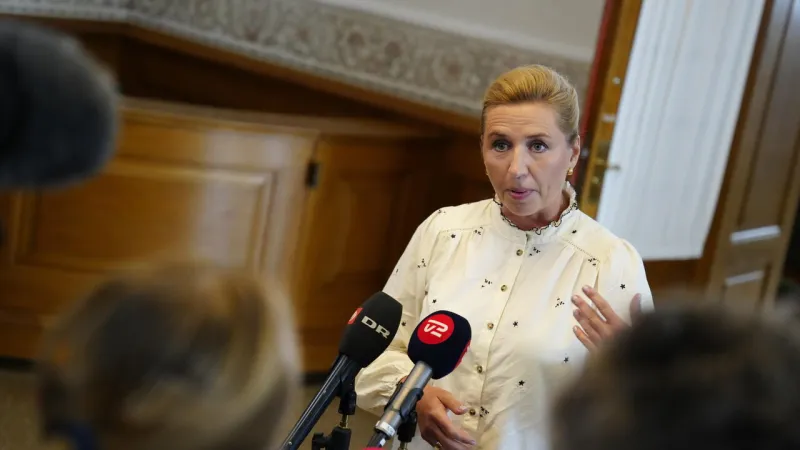
Copenhagen—Danish Prime Minister Mette Frederiksen on Thursday declared Denmark is ready to close its national borders should a significant resurgence of irregular migration flows materialize, a stark warning issued during an urgent parliamentary debate concerning the situation in Ceuta. The Prime Minister underscored her government's proactive stance in potentially implementing stringent border controls to safeguard national sovereignty and maintain social cohesion.
The pronouncement came as European nations continue to grapple with persistent challenges posed by migratory pressures, often originating from regions impacted by conflict, instability, and economic hardship. Frederiksen's remarks align with a broader, increasingly firm approach among several European Union member states to manage external borders and internal population movements.
The debate in the Danish Parliament centered on recent developments around Ceuta, the Spanish autonomous city on the North African coast, which has experienced periodic surges of migrants attempting to cross into European territory. While geographically distant, events in Ceuta often serve as a bellwether for potential broader migratory shifts affecting the entire European continent.
"We are prepared to close our borders if migration flows restart," Prime Minister Frederiksen stated unequivocally, according to transcripts from the parliamentary session. Her declaration reflects a readiness to activate emergency measures to control ingress, signaling a potential departure from traditional open-border policies within the Schengen Area should conditions warrant.
This readiness implies not only legislative frameworks but also operational preparedness, including increased personnel, enhanced surveillance, and potentially physical barriers. The Danish government has consistently advocated for robust border management and a reduction in asylum applications, a policy stance that has seen the nation implement some of Europe's strictest immigration laws.
Denmark has historically maintained a tough stance on immigration, often citing the need to preserve its welfare state model and cultural identity. Over the past decade, successive Danish governments, including Frederiksen's Social Democrats, have tightened asylum rules, introduced integration requirements, and pursued policies aimed at discouraging new arrivals.
The Prime Minister's announcement resonates across a continent where leaders are increasingly vocal about protecting national borders. Discussions around Fortress Europe have gained traction, particularly with continued geopolitical instability and economic disparities driving human movement. The concept of shared responsibility for external borders, while present, often cedes to national priorities when faced with immediate pressures.
Experts suggest that a renewed surge in migration could be triggered by various factors, including humanitarian crises, new conflict zones, or economic downturns in transit countries. The European Union's external border agency, Frontex, regularly reports on trends and potential hotspots, providing a backdrop to such national policy discussions.
Domestically, Frederiksen's firm rhetoric on migration often finds broad support across the political spectrum in Denmark, appealing to both center-left and right-wing voters. This consensus allows the government significant latitude in enacting policies that might be more contentious in other European nations. The urgent debate underscores the political salience of immigration issues in Danish public discourse.
The prospect of unilateral border closures by a Schengen member state, while permitted under specific emergency clauses, raises questions about European solidarity and the future of the free movement principle. Such actions, if widely adopted, could fragment the Schengen Area and complicate broader EU efforts to formulate a cohesive migration pact.
While Prime Minister Frederiksen's statement is a strong indicator of national resolve, the practicalities of a sustained border closure would present significant logistical and diplomatic challenges. The global landscape of migration is complex, driven by myriad factors beyond the control of any single nation.
Ultimately, Denmark's readiness to seal its frontiers serves as a clear signal of its commitment to controlling its national destiny in the face of evolving global migration patterns. The statement delivered in Copenhagen Parliament reflects a firm stance, underscoring that the option of border closure remains a tangible tool in its policy arsenal.