 Angel Doris
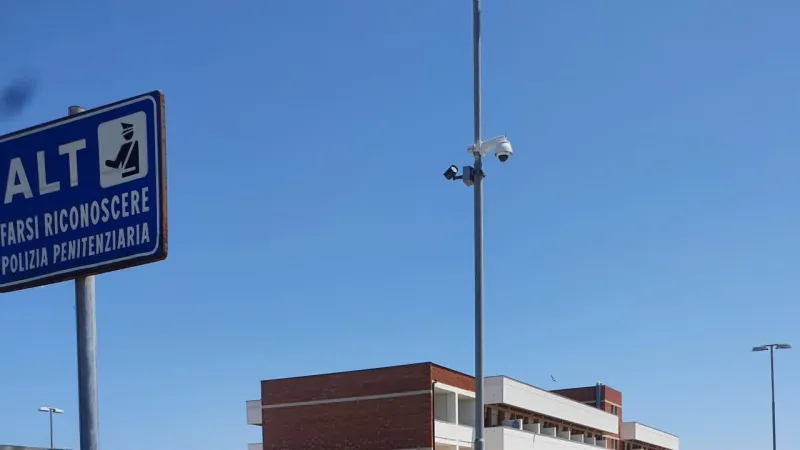
A devastating fire erupted in a prison facility in Sassari, Italy, today, resulting in the tragic death of one inmate who was found carbonized amidst the debris. Authorities have identified a 72-year-old prisoner as the alleged perpetrator, suspected of intentionally igniting the blaze, which also led to five prison officers suffering from severe smoke intoxication.
The deceased inmate, whose identity has not yet been publicly released pending family notification, perished in the inferno that rapidly engulfed his cellblock. The five officers, who were among the first responders attempting to contain the fire and evacuate prisoners, were rushed to a local hospital, where they are being treated for respiratory distress and exposure to toxic fumes. Their conditions are reported as stable but required immediate medical intervention.
The 72-year-old inmate, whose name is being withheld during the preliminary investigation, is currently under close observation, both for his health and as a person of interest in the fatal arson. Preliminary reports suggest he deliberately set the fire, though the method and specific motive remain central to the ongoing inquiry by correctional and judicial authorities.
Emergency crews, including local firefighters and paramedics, converged rapidly on the penitentiary as alarms blared throughout the complex. Their swift action was crucial in preventing the blaze from spreading to adjacent wings, mitigating what could have been an even greater catastrophe. Firefighters battled the intense flames for several hours before successfully bringing the situation under control.
Upon entering the affected area, responders encountered a scene of extensive destruction. The specific cell and surrounding areas were severely damaged by fire and smoke, underscoring the intensity of the blaze. Forensic teams have since begun their meticulous examination of the scene, searching for evidence to corroborate initial suspicions and reconstruct the sequence of events.
The five prison officers received immediate medical attention at the scene before transport. Doctors at the Sassari hospital are monitoring them closely for any long-term effects of smoke inhalation, a common hazard in such volatile situations. Their dedication to duty during the dangerous incident has been widely acknowledged by prison officials.
Prosecutors have launched a full-scale judicial investigation into the incident, treating it as a case of suspected arson leading to homicide. Investigators will meticulously analyze surveillance footage, interview witnesses, and examine the structural integrity of the affected cellblock. The focus remains on understanding the full scope of events that transpired within the prison walls.
While the specific reasons behind the 72-year-old inmate's alleged actions are not yet clear, investigators will explore various possibilities, including mental health factors, inter-inmate conflicts, or grievances against the correctional system. Understanding the motive is paramount to the comprehensive investigation.
This tragic incident inevitably raises questions regarding prison safety protocols and the management of inmates, particularly those with complex needs or advanced age. Authorities are expected to review internal procedures and emergency response mechanisms in light of the fatalities and injuries sustained.
As of late evening, official statements from the Ministry of Justice or the prison administration have been limited, emphasizing the ongoing nature of the investigation. A press conference is anticipated once more definitive details can be released without compromising the integrity of the inquiry.
The death of an inmate and the injury of correctional officers within a secured facility represent a grave challenge to the penal system. Such incidents highlight the inherent dangers faced by both prisoners and staff, and the critical importance of robust safety measures and conflict resolution strategies.
Authorities have pledged a thorough and transparent investigation to ascertain all facts and ensure accountability. The judicial process is expected to be comprehensive, examining every aspect from the initial fire to the response and its tragic consequences, striving for justice for all involved.