 Edward DP Situmorang
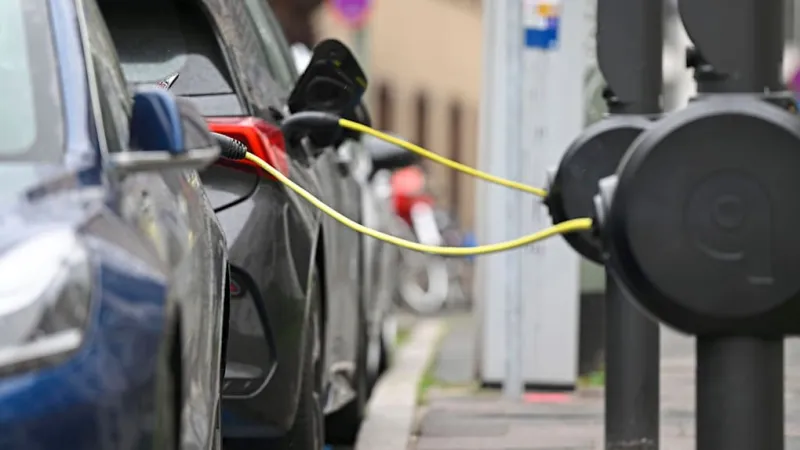
A groundbreaking new study indicates that, when adjusted for inflation, the list prices of electric vehicles (EVs) are rapidly declining across Europe, while those of combustion engine cars are experiencing a slight upward trend. This significant economic shift suggests that by the year 2030, the financial outlay for an electric vehicle could effectively parallel that of a comparable gasoline-powered model, fundamentally reshaping the continent's automotive landscape.
The comprehensive investigation, conducted by an undisclosed leading research institution, analyzed manufacturer suggested retail prices (MSRPs) over recent years, meticulously adjusting for inflationary pressures to reveal the true cost trajectory. The findings present a clear and consistent pattern of diminishing costs for battery-electric automobiles.
Historically, the higher upfront cost of electric vehicles has been a primary barrier to widespread consumer adoption. While running costs like fuel and maintenance often favored EVs, the initial purchase price frequently deterred potential buyers, particularly in cost-sensitive markets.
However, the study highlights substantial advancements in battery technology and manufacturing processes as key drivers behind the EV price erosion. As battery production scales globally and material costs become more optimized, the most expensive component of an electric vehicle is becoming progressively more affordable.
Conversely, traditional internal combustion engine (ICE) vehicles face increasing cost pressures. Stricter emissions regulations necessitate more complex and expensive exhaust treatment systems, while a general decline in investment for new ICE platforms means less opportunity for cost efficiencies through innovation in that sector.
This evolving economic dynamic holds profound implications for both consumers and automakers. For the average European consumer, the prospect of purchasing an electric vehicle without a significant price premium could accelerate the transition away from fossil fuels, driven purely by economic rationale rather than just environmental concerns.
Automobile manufacturers, already heavily invested in electric vehicle development, will see this trend validate their long-term strategies. Companies that have aggressively pursued EV platforms stand to gain substantial market share as price parity makes their offerings more attractive across broader demographics.
The report also touches upon the broader macroeconomic impact, suggesting that a more affordable EV market could contribute to national energy security by reducing reliance on imported fossil fuels. It could also stimulate further innovation in charging infrastructure and renewable energy integration.
While the study primarily focuses on Europe, industry analysts suggest that similar trends are likely to manifest in other major automotive markets globally, albeit potentially on different timelines influenced by local regulations, energy prices, and consumer preferences. The United States, for instance, with its robust federal incentives, could see similar accelerated trends.
Challenges, of course, remain. The availability of charging infrastructure, particularly in urban areas and for long-distance travel, must keep pace with adoption rates. Moreover, the secure and ethical sourcing of critical raw materials for batteries will continue to be a geopolitical and logistical consideration.
Ultimately, the study paints a vivid picture of an automotive future where the choice between electric and gasoline power is increasingly dictated by performance, preference, and sustainability, rather than a prohibitive initial cost. This convergence signifies a major milestone in the global effort to decarbonize transportation.
As 2030 approaches, the automotive sector appears poised for an irreversible transformation, with electric vehicles moving from a niche, premium offering to a competitive, mainstream option for millions of drivers.