 Stefani Rindus
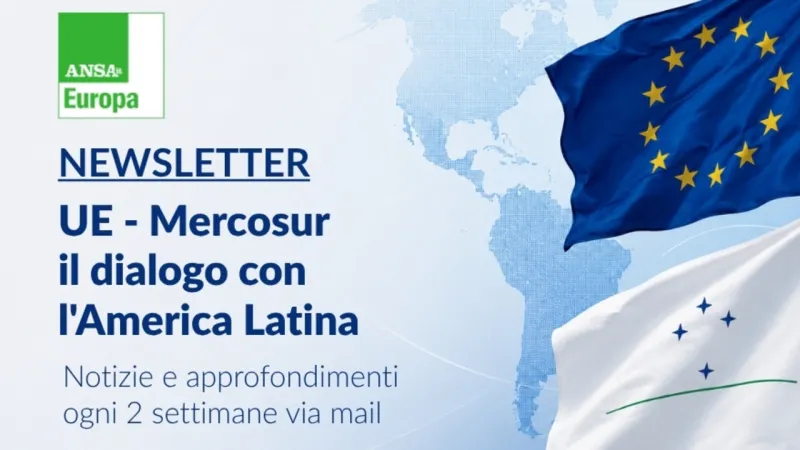
ANSA, Italy's leading news agency, has delved into the intricacies surrounding the long-awaited trade agreement between the European Union and Mercosur bloc nations, revealing persistent deadlocks that continue to impede its ratification. The comprehensive examination highlights the complex web of political, economic, and environmental concerns that have left the monumental pact in a state of prolonged uncertainty, despite decades of negotiations.
First conceptualized in 1999, the EU-Mercosur trade pact aims to forge one of the world's largest free trade zones, encompassing a combined population of over 700 million people and significant economic power. Proponents argue it would boost trade, foster economic growth, and strengthen geopolitical ties between the two regions.
The agreement reached a political conclusion in 2019, but its formal ratification has since been mired in considerable controversy. Numerous European Union member states and environmental organizations have expressed profound reservations, primarily citing concerns over deforestation in the Amazon rainforest and the enforcement of environmental standards in Mercosur countries.
ANSA's deep dive underscores that these environmental safeguards remain a primary sticking point. Critics in Europe fear that increased demand for agricultural products, particularly beef, from Mercosur nations could exacerbate deforestation and compromise global climate goals, directly conflicting with the EU's Green Deal objectives.
Agricultural sectors within Europe also harbor deep-seated anxieties. Farmers across various EU nations worry about a potential influx of cheaper Mercosur agricultural products, such as beef, poultry, and sugar, which they argue could undermine their livelihoods and lower market prices, despite safeguard clauses within the agreement.
Beyond environmental and agricultural issues, differing regulatory standards and intellectual property rights also present considerable challenges. Harmonizing these disparate frameworks across numerous nations with distinct legal and economic systems proves to be an arduous undertaking.
The geopolitical landscape in 2026 further complicates matters. Shifting political priorities within both the European Union and Mercosur member states, including Brazil, Argentina, Uruguay, and Paraguay, contribute to the ongoing paralysis. Any change in government or policy focus can significantly alter a nation's stance on the agreement.
ANSA's analysis emphasizes that while the economic benefits, such as reduced tariffs and increased market access, are often highlighted by supporters, the costs of failing to address fundamental concerns could be substantial, potentially eroding public trust and undermining climate commitments.
For Mercosur nations, the agreement promises crucial access to the lucrative European market, offering diversification from traditional trading partners and a boost to their export-oriented economies. This prospect remains a powerful incentive for South American leaders to push for ratification.
Conversely, the European Union seeks to bolster its position in Latin America, securing access to raw materials, expanding its industrial exports, and reinforcing its normative power in global trade. The strategic importance of the region for European businesses is undeniable.
The pathway forward, as explored by ANSA, suggests that either significant amendments to the existing text, particularly concerning environmental commitments, or a complete renegotiation could be necessary. However, both options carry substantial political and diplomatic hurdles.
Some analysts propose that a modular approach, allowing for specific chapters to be ratified independently, might offer a pragmatic solution to circumvent the broader impasses, though this would likely dilute the comprehensive nature of the original agreement.
The implications of the EU-Mercosur agreement extend beyond mere commerce; it represents a significant test of the world's ability to reconcile economic growth with environmental sustainability and fair trade practices. Its eventual fate will send a strong signal about the future direction of global trade policy.
ANSA will continue to monitor developments closely, providing ongoing insights into this critical international trade discussion. The agency's commitment to in-depth journalism seeks to keep stakeholders and the public informed about the nuances of this pivotal pact.