 Edward DP Situmorang
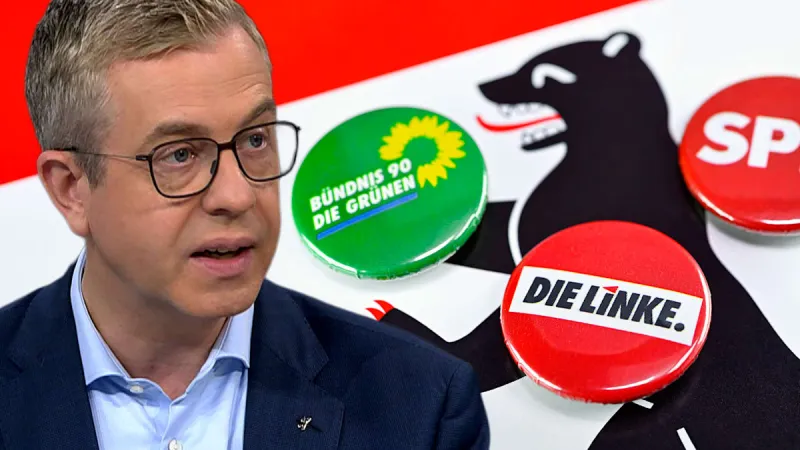
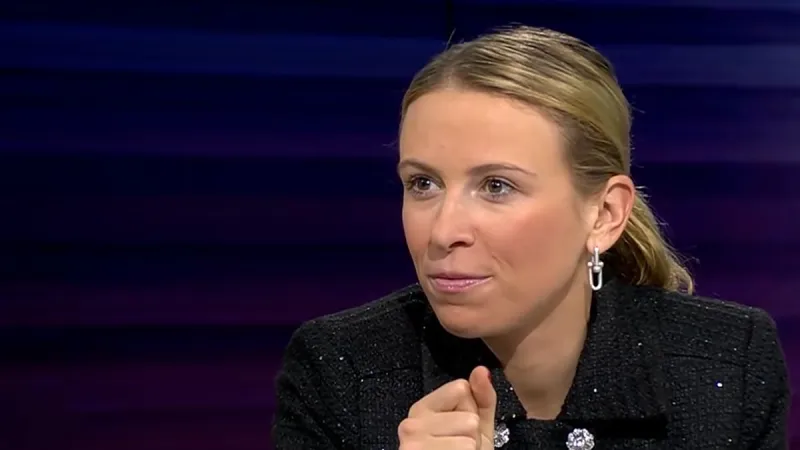
The political landscape in Berlin has been significantly rattled following a strong admonition from CDU faction leader Stefan Evers, who publicly cautioned the Social Democratic Party (SPD) and the Greens against forming a coalition with Die Linke (The Left Party). His warning intensifies the already fraught exploratory talks, sparked by recent controversial statements from Left Party politician Vanessa Emde, which have ignited a fierce debate over antisemitism and the broader issue of public safety in the German capital.
Evers criticism stems directly from Emde's contentious remarks, particularly her comments regarding Israel, which have drawn widespread condemnation. These statements have exacerbated internal rifts within Die Linke itself, as detailed in reports like Berlin's Left Party Faces Internal Rift Over Emde's Israel Comments. The CDU leader underscored that such rhetoric poses a fundamental challenge to the principles of tolerance and mutual respect essential for stable governance.
During a press conference held in Berlin, Evers did not mince words, explicitly linking Die Linke's stance and the controversy surrounding Emde to concerns about clan criminality and a perceived lax approach to antisemitism. He articulated a clear position that any potential governing alliance must unequivocally uphold democratic values and robustly combat all forms of extremism and hate speech.
These concerns are not isolated. Public discourse in Germany has increasingly focused on the challenges posed by organized crime, often attributed to specific family clans, and the necessity for political parties to take an unambiguous stance on these issues. Evers comments directly tap into this broader societal apprehension.
He further implied that entering into a Red-Green-Red coalition, which would include Die Linke, would send a troubling signal regarding the incoming administration's commitment to fighting antisemitism and organized crime, particularly within immigrant communities.
The SPD and Greens, currently engaged in delicate coalition negotiations, now face increased pressure to address these accusations directly. The political cost of appearing to compromise on issues as sensitive as antisemitism and public safety could be substantial, potentially alienating centrist voters and eroding trust in the nascent administration.
Die Linke, which has historically grappled with internal divisions on foreign policy, particularly concerning the Middle East, finds itself once again at a critical juncture. The party leadership is under immense scrutiny to either distance itself from Emde's remarks or clarify its position in a manner that alleviates concerns from potential coalition partners and the wider public.
For the SPD and the Greens, the calculus is complex. Aligning with Die Linke offers a path to securing a governing majority, yet both parties have reiterated their commitment to democratic principles and human rights in the past. Evers challenge forces them to demonstrate that commitment in tangible ways during these pivotal negotiations.
The CDU's firm stance serves not only as a warning to potential coalition partners but also as a strategic move to define the political narrative and establish clear red lines for future governance in Berlin. By raising these concerns prominently, Evers aims to shape public opinion and potentially influence the outcome of the ongoing coalition talks.
As the exploratory talks continue, all eyes are on the SPD and the Greens, awaiting their response to the CDU's stark warning. The cohesion and stability of Berlins next government hinge on how these parties navigate the ethical and political dilemmas presented by the controversy surrounding Die Linke's position and Emde's statements.