 Angel Doris
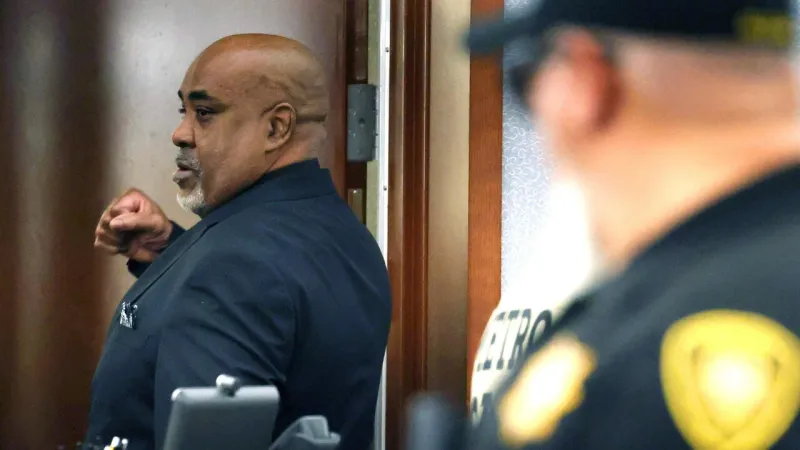
LAS VEGAS – Duane Keffe D Davis, a former gang leader, has pleaded guilty to his involvement in the 1996 assassination of iconic rapper Tupac Shakur, marking a pivotal breakthrough in one of hip-hop's most enduring mysteries three decades after the fatal shooting on a bustling Las Vegas street.
The unexpected plea brings a definitive legal resolution to a case that has captivated the public imagination for more than a generation. Shakur, one of the most influential figures in music history, was fatally shot on September 7, 1996, near the Las Vegas Strip, just hours after attending a Mike Tyson boxing match. He succumbed to his injuries six days later at the age of 25, leaving behind a profound legacy and an unsolved murder that fueled countless theories and documentaries.
For 30 years, the investigation languished as a cold case, frustrating fans, family, and law enforcement alike. Despite widespread speculation and numerous unverified claims, no arrests were made, and the official inquiry appeared to hit a perpetual roadblock. The sheer audacity of the crime, targeting a global superstar in a public setting, only intensified the demands for justice.
Renewed investigative efforts in recent years, spearheaded by Las Vegas metropolitan police, brought a fresh impetus to the dormant case. These efforts culminated in a dramatic turn of events in 2023 when authorities executed a search warrant at Davis's home in Henderson, Nevada. The subsequent grand jury indictment and his arrest revitalized hopes for a resolution that many had long given up on.
Davis, a self-proclaimed former leader of the South Side Compton Crips, had previously detailed his presence in the white Cadillac from which the shots were fired in various interviews and in his 2019 memoir. In these accounts, he admitted to being in the vehicle and orchestrating the shooting, though he consistently denied being the triggerman. His cooperation with authorities, as part of a plea agreement, sheds light on the long-shrouded events of that night.
The charges against Davis, including murder with a deadly weapon, reflected the gravity of his alleged role in the conspiracy. His decision to plead guilty avoids a lengthy and potentially tumultuous trial, providing a direct, albeit delayed, pathway to accountability for Shakur's death.
The announcement of the guilty plea resonated globally, offering a measure of closure to Shakur's mother, Afeni Shakur, who passed away in 2016, and other family members who have tirelessly advocated for justice. Fans worldwide, who have kept Shakur's music and memory alive, expressed a mix of relief and solemn reflection on the long journey to this point.
Tupac Shakur's impact transcended music; he was a poet, activist, and cultural icon whose lyrics addressed social injustice, poverty, and urban strife. His untimely death left a void in the hip-hop community and sparked widespread discussions about violence within the genre. The resolution of his murder case signifies a significant moment in American criminal justice history.
Prosecutors hailed the plea as a long-awaited vindication for the rule of law and a testament to the persistence of detectives who never abandoned the investigation. The legal team indicated that the plea agreement considered various factors, including the passage of time and the complexities of proving a case spanning three decades.
Davis is now set to face sentencing, where the court will determine the appropriate penalties for his admitted role in the assassination. This legal conclusion effectively closes a painful chapter in music history, finally providing a definitive answer to one of popular culture's most enduring questions and bringing an end to the enduring mystery surrounding the Tupac Shakur assassination.