 Stefani Rindus
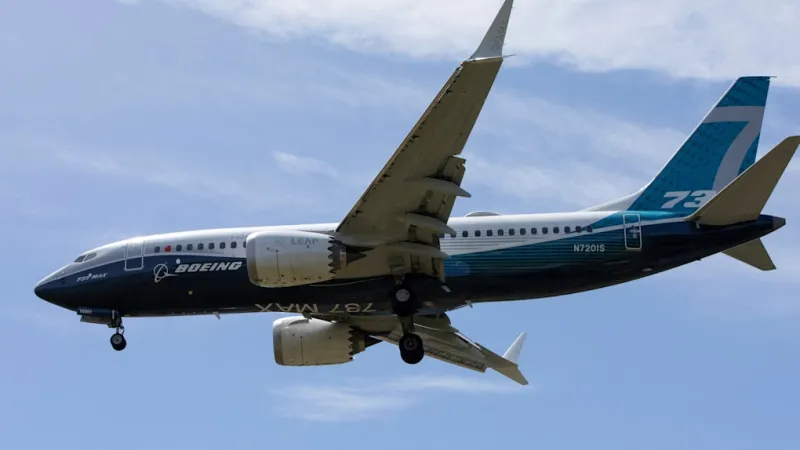
The Federal Aviation Administration (FAA) has issued a significant warning regarding potentially improperly installed seats across hundreds of Boeing 737-MAX aircraft, amplifying pressure on the beleaguered manufacturer following a series of recent safety concerns. The agencys alert, released earlier this week, mandates immediate inspections and potential remediation for the popular commercial jets, citing potential risks to passenger safety.
This latest development places Seattle-based Boeing under renewed scrutiny. The company has grappled with an array of production quality issues and mechanical malfunctions that have repeatedly challenged its operational integrity and public confidence.
The specific concern revolves around the proper securing mechanisms for passenger seating. FAA officials indicate that initial reports suggest some seat assemblies may not have been correctly fitted during the manufacturing process, potentially leading to instability or detachment during flight, particularly under turbulent conditions.
While the FAA has not yet specified the exact number of affected aircraft, their directive encompasses a substantial portion of the global 737-MAX fleet. Airlines operating these aircraft are now expected to conduct thorough inspections to identify and rectify any installation discrepancies.
The 737-MAX model itself carries a fraught history, having been grounded worldwide for nearly two years after two fatal crashes in 2018 and 2019 that claimed 346 lives. Those tragedies were linked to a faulty flight control system, MCAS, which Boeing subsequently updated and regulators approved for return to service. This new issue, while seemingly distinct, revives uncomfortable parallels with past quality control lapses.
Aviation experts stress that while loose seats might appear minor compared to systemic flight control issues, they represent a significant safety hazard. Unsecured seating could injure passengers during turbulence or an emergency, and, at minimum, compromise the structural integrity of the cabin environment.
Industry analysts predict this warning will lead to further operational disruptions for airlines globally, which rely heavily on the Boeing 737-MAX for short-to-medium haul routes. Inspections will require aircraft downtime, potentially impacting flight schedules and passenger convenience.
The announcement comes amidst heightened regulatory oversight across the aviation sector. President Donald Trumps administration has consistently emphasized robust safety standards, with the FAA under particular pressure to demonstrate stringent enforcement after previous criticisms regarding its certification processes for the 737-MAX.
Boeing, a pillar of American manufacturing, faces a critical juncture. Each new safety advisory, whether minor or major, contributes to a cumulative narrative of quality control challenges that erode its reputation and market position against its primary competitor, Airbus.
The financial implications for Boeing could be substantial, encompassing potential recall costs, compensation for airline disruptions, and a potential hit to future order books. Investor confidence often wavers with each new setback, reflecting market concerns about the companys ability to consistently deliver defect-free aircraft.
As airlines begin to implement the FAAs directives, the immediate focus remains on ensuring the safety of the flying public. This incident underscores the intricate complexities of modern aircraft manufacturing and the persistent need for uncompromising quality assurance at every stage of production.
This ongoing saga prompts broader discussions within the industry regarding supply chain management and subcontractor oversight, as the intricate components of an aircraft often come from a global network of suppliers. Ensuring consistent quality across this vast network presents a formidable challenge.