Gabriella
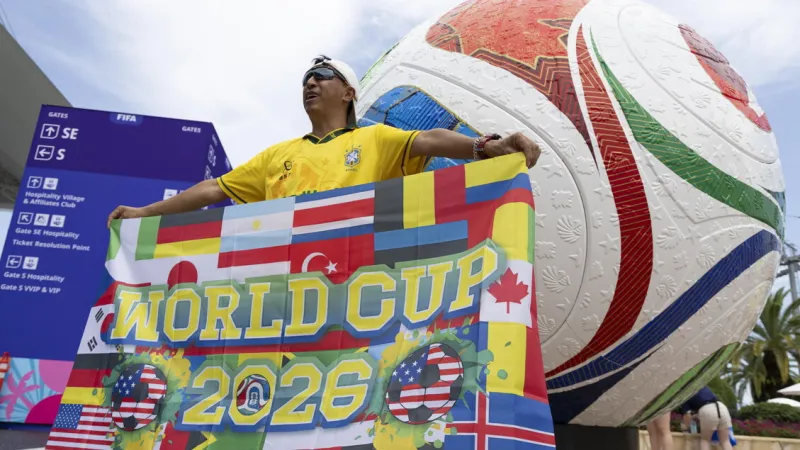
The FIFA World Cup group stage concluded with a remarkable 4.6 million spectators attending the first 72 matches, signaling immense global enthusiasm for the premier football tournament. Organizers reported staggering commercial activity, including the sale of 300,000 hot dogs, underscoring the event's significant economic footprint and robust fan engagement as the competition transitions into its knockout phase.
These figures, released by FIFA, paint a vivid picture of the scale and popularity of the World Cup, a quadrennial event that consistently captivates audiences worldwide. The substantial attendance numbers for the group matches alone highlight the magnetic draw of international football and the desire of fans to experience the spectacle live.
Beyond the turnstiles, the economic engine of the World Cup hums with vigor. The sale of 300,000 hot dogs stands as a metric not just of fan consumption but also of the vast ancillary revenues generated through concessions, merchandise, and hospitality services. This commercial success is vital for FIFA and the host nation(s), contributing significantly to local economies.
A total of 999 players participated in these initial 72 fixtures, representing diverse nations and cultures. This extraordinary assembly of athletic talent showcases the global reach of football and the dream of national representation on the world's biggest stage. Each player's journey contributes to the rich tapestry of stories that define the tournament.
The successful completion of the group stage now sets the scene for the even more intense knockout rounds. Every match becomes a do-or-die affair, promising heightened drama and unforgettable moments for the millions watching from stadiums and screens across the globe.
This robust fan engagement and commercial success are critical for FIFA's broader mission to develop football worldwide. Revenues generated from events like the World Cup are reinvested into infrastructure, youth programs, and support for national associations, fueling the sport's growth from grassroots to elite levels.
The atmosphere within the stadiums during the group stage was palpable, characterized by fervent nationalistic support, elaborate choreographies by fan groups, and a shared sense of global community. Such an environment fosters a unique cultural exchange, bringing together people from different backgrounds under the banner of sport.
Comparatively, these initial statistics suggest that the current World Cup is on track to rival or even surpass previous editions in terms of live attendance and commercial viability. The continued appeal of the World Cup, even in an evolving media landscape, reaffirms its status as a premier global sporting spectacle.
As teams like Canada have demonstrated with their impressive performances, securing a spot in the last 16, the tournament offers a platform for both established powerhouses and rising contenders to shine. The journey for such teams often culminates in thrilling, high-stakes encounters. For instance, reports noted Canada Secures World Cup Last 16 Spot with Dramatic Eustaquio Goal.
The transition to the knockout stage brings with it an elevated level of tactical play and individual brilliance. Matches like the one anticipated between South Africa and Canada, as highlighted by headlines such as World Cup Knockout Stages Begin: South Africa Faces Canada, exemplify the dramatic narratives that unfold.
The organizing committees and host city infrastructure have also been under the spotlight, successfully managing the logistical complexities of such a massive influx of people. From transportation to security, the seamless operation contributes significantly to the positive experience for attendees.
These early indicators of success bode well for the tournament's overall financial performance and its legacy. The World Cup serves as a powerful testament to the universal language of football, uniting fans in passion and celebration.
The dedication of the 999 players involved thus far underscores the immense physical and mental demands of competing at this elite level. Their relentless pursuit of victory fuels the competitive spirit that makes the World Cup so compelling.
The global impact extends beyond the immediate excitement, influencing future generations of athletes and inspiring increased participation in sports worldwide. The visibility of the World Cup nurtures new talent and reinforces the importance of fair play and sportsmanship.
This initial phase not only showcased athletic prowess but also reaffirmed the World Cup's unparalleled ability to draw significant crowds and generate substantial economic activity, setting a high bar for the remainder of the tournament. The next rounds are poised to build on this foundation, delivering more drama, more goals, and more global unity.